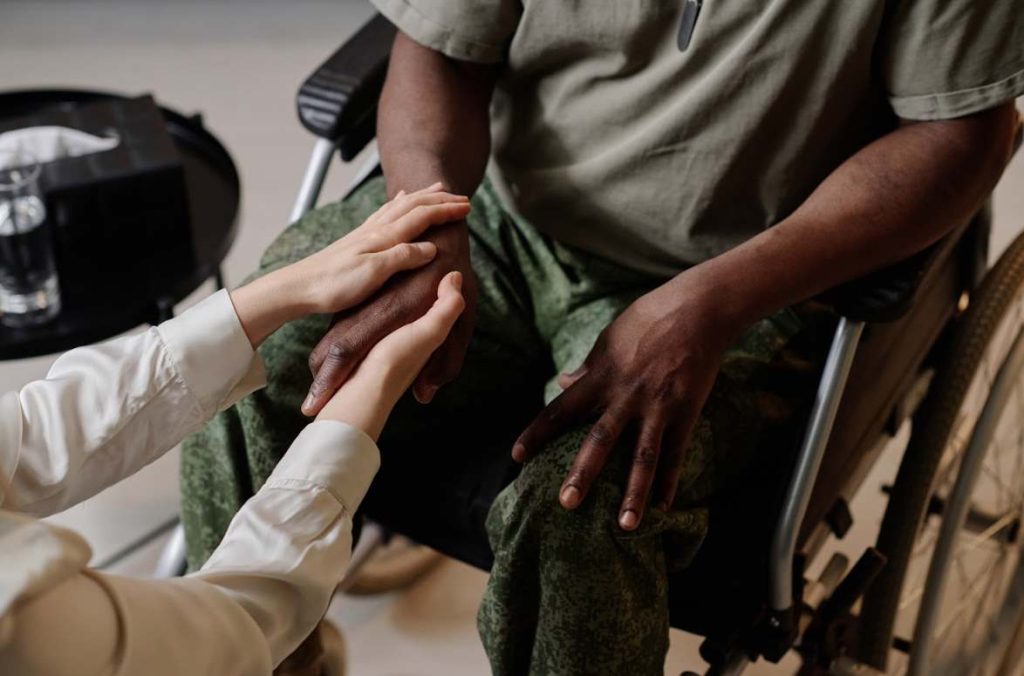
For many veterans, aging or managing health issues can make daily living challenging. Maintaining independence and dignity at home often requires specialized support tailored to their unique needs. Fortunately, veteran home care programs provide essential services to help eligible veterans live safely and comfortably in their own homes.
These programs offer more than just medical care—they enhance quality of life by assisting with personal care, household tasks, and companionship. Keep reading this article for a more in-depth look at how veterans can benefit from home care.
Veterans home care encompasses various services designed to assist with daily activities, medical needs, and personal care. Depending on the category of care required, these services can be provided by health aides, skilled nursing care professionals, or other medical professionals. The goal is to enhance quality of life while reducing the burden on families who may be acting as primary caregivers.
Veterans’ home care services cover a wide range of needs, including:
Specialised memory care services may also be available for veterans with dementia or cognitive impairment. Additionally, some programs offer adult day health care centers or assisted living care for those who need more structured support while avoiding nursing home placement.
Eligibility for veterans’ home care depends on several factors, including service-connected disability ratings, income level, and specific medical needs. Here are the basic admission requirements:
Eligibility requires the veteran to have served on active duty and received a favorable discharge characterization.
Veterans with service-related disability ratings may qualify for additional benefits, including Aid and Attendance pension benefits.
A healthcare evaluation by a Veterans Administration (VA) medical center or community healthcare professional may be required to determine the level of care needed.
Some programs consider monthly income and financial assistance options to help cover the cost of care.
Submitting an admission application through the VA or a VA-approved care agency is necessary to access benefits.
Eligible spouses may also qualify for certain services, depending on the veteran’s status. The enrollment process typically involves working with care advisors or a care coordinator to develop a personalized care plan.
