Anyone who has ever been tasked with storing or displaying valuable artefacts knows how challenging it can be to keep these items safe. This not only involves keeping them free from being handled and potentially damaged by guests, but also ensuring that they remain dry and moisture-free.
This isn’t always easy when you have the harsh Australian climate to contend with. It’s with this in mind that our experts recommend investing in quality museum display cabinets, which are ideal for everything from jewellery to traditional artefacts. This post takes a quick look at how these display solutions are the best option for protecting the artefacts that define our treasured Australian heritage.
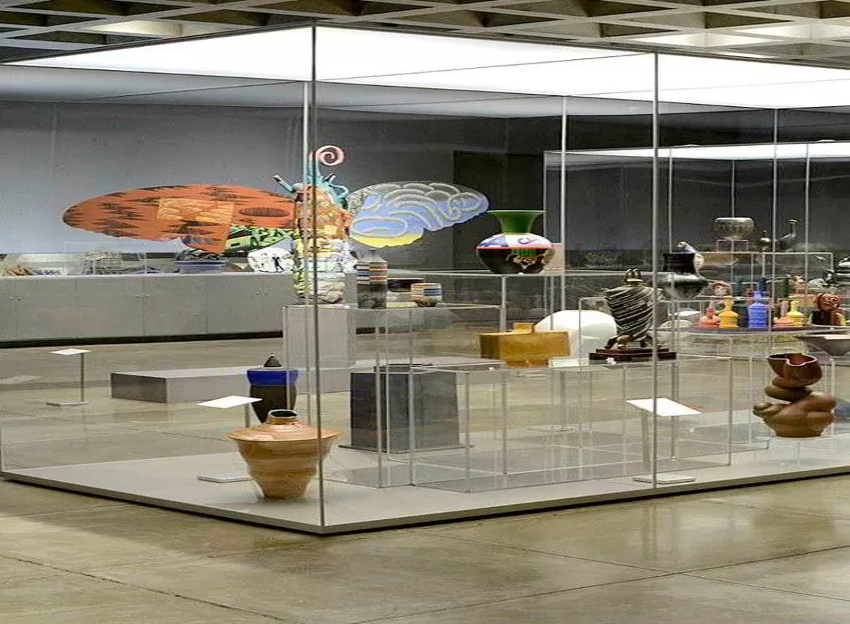
If you’ve visited an art gallery or museum, then you already know that a museum display case is a robust glass cabinet that is used to store and display artefacts. What you may not know is that these cabinets are designed using low-iron or tempered glass, and each cabinet can boast accessories that contribute to the overall safety of your items.
Some of the more popular features that museum or art gallery owners find crucial to protecting all types of artefacts include the following:
Typically, these features go a long way toward keeping artefacts safe from overall exposure to environmental elements that may damage or degrade the quality of the artefact. With these features, your items are safeguarded against the following threats:
For the most part, museum display cabinets are used in galleries, museums, exhibitions, and trade shows. It’s also not uncommon for private collectors to use these storage solutions to display their personal art or jewellery collections. With a range of customisable options, it’s easier than ever to choose the perfect case for your needs.
Working in the museum and gallery business will quickly teach you that quality display cases should be more than a simple glass box. Opting for the right type of glass museum case is crucial to keeping valuable and irreplaceable artefacts safe.
If you’re still not sure if this solution is for you, then we urge you to keep reading. Our experts share the most prominent reasons to use these cases for all your artefact displays.
All Australian museums and galleries have an ethical responsibility to protect all Aboriginal and Torres Strait Islander artefacts in their care. It’s also crucial to remember that many of these artefacts are made up of organic materials such as feathers, animal fats, ochre, and plant fibres. These materials are not only aged but also sensitive to air pollutants, UV rays, and harsh lighting.
Opting for museum display cases allows for respectful and safe representation. Features such as low-reflective, high-transparency glass offer UV protection, the correct lighting, and also prevent damage or degradation from human touch. Cases can be customised to adhere to specific cultural protocols to ensure that traditional care is observed.
Depending on the age and type of artefact, some items may be more susceptible to environmental damage than others. This is especially the case in Australia, where extreme weather is the order of the day.
An instance of high humidity can severely damage organic materials. Typical examples of this include wood warping, paper becoming brittle, and, in older items, sensitive textiles can stretch and snap. Display cases create a “microclimate” which can be customised to suit the requirements of the artefacts they house.
This typically means that the temperature, ventilation, and air quality inside the case remain the same, no matter how hot or cold the museum is. In addition to this, items can be transported and displayed in these cases to other parts of the country without concern about how each place’s climate will affect the item.
Australian artefact collections are also at risk of being damaged by biological threats. Pests such as carpet beetles, silverfish, and the Australian borer are notorious for causing severe damage to organic artefacts. Specialised seals ensure that there are no gaps for bugs to get in.
This also reduces the need for specialised chemical treatments. Protecting textiles, timber, and leather artefacts has never been easier. The right storage solution also reduces the risk of damage that chemical treatments can do to these items.
Museum display cases are the most effective option for storing and displaying all types of traditional artefacts. Not only will the items you’re displaying be safe and dry, but they can also be viewed from all angles without needing to be touched or handled. This ensures that your artefacts are safeguarded, enabling them to be viewed, admired, and appreciated for years to come!