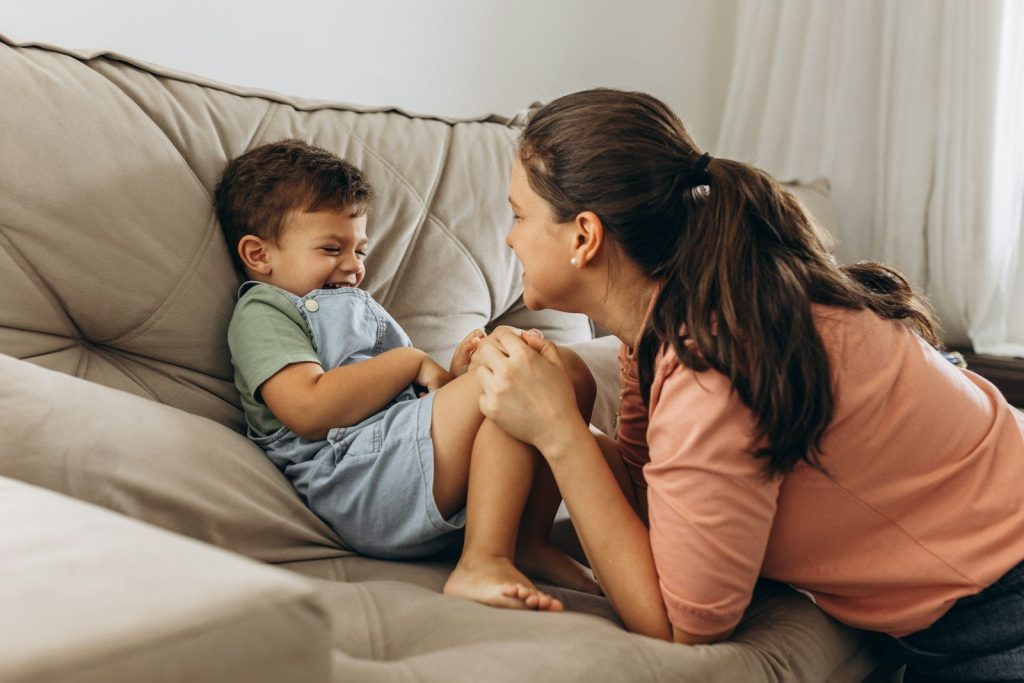
Is your little one at that magical, wide-eyed stage? Taking in everything around them, watching the world with quiet intensity, missing nothing? But perhaps struggling to put all that curiosity into words? You’re not alone — and more importantly, there’s no need to worry. Every child finds their way to language differently, and on their own schedule. Some are born talkers, narrating their day before they’ve quite figured out walking. Others hang back, absorbing words in silence until — almost overnight — full sentences arrive, seemingly from nowhere. Neither is the wrong way. Neither child is falling behind. Language development is one of the most beautifully individual things about being human.
Here’s the good news: you don’t have to sit and wait. The everyday moments you already share with your child, bathtime, mealtimes, the walk to the park, reading before bed, are all packed with opportunities to gently encourage language. You don’t need flashcards or apps or expensive programmes. You just need presence, patience, and a few simple habits woven into your day, thanks to this go-to guide for turning everyday moments into brilliant speech opportunities…
The single most powerful thing you can do for your toddler’s language development is also the simplest: talk to them. Constantly. Narrate your day as if you’re providing live commentary on the most important event in the world, because to them, it is. “We’re putting your shoes on now! There’s one and there’s two!” It may feel absurd at first. Do it anyway. Toddlers are absorbing every word, and hearing language tied to real moments is exactly how they start connecting words to meaning.
Books are one of the most powerful tools you have for building language, and reading together is one of the best things you can do. The secret is to treat it as a conversation, not a performance. Point to pictures, name things, ask “what’s that?” and wait — a point or a babble counts as an answer. Let them turn the pages. If they want to linger on the same page for five minutes, go with it. Board books with bold images, lift-the-flap books, and anything with repetitive or rhythmic text tend to work especially well at this age. When toddlers hear the same phrases again and again, they start to anticipate what’s coming — and eventually join in. That moment when they beat you to the line? That’s language development happening right in front of you.
Music is basically a cheat code for language learning. The repetition, the rhythm, the fun of it all — it makes words stick in ways that normal conversation simply can’t. Belt out something traditional like “Wheels on the Bus,” do the actions to “Head, Shoulders, Knees and Toes,” and don’t be shy about freestyling and making up silly songs about what you’re doing.
It turns out there is a beautiful trick that parents can try: set up some situations which will require communication from the child. Offer him two types of snacks and wait until he takes or looks at one – give the name of that item yourself. Give him a pause before offering a favorite toy, and just look at him expectantly. Offer him something incorrect deliberately and let him correct you! All of these tricks provide natural communication motivation without any pressure. That is what it is important not to forget about. Do not force your child to say things or make conversations a test.
Screens can be entertaining, but passive watching doesn’t do much for language development — toddlers need that back-and-forth conversational exchange to really grow their communication skills. Even if your child isn’t saying real words yet, respond to their babbles and gestures as if they are. “Oh really? Then what happened?” This teaches them the rhythm of conversation and shows them their communication matters. When you do use screens, sit with your toddler and talk about what’s happening. Turn passive viewing into an interactive experience.
Pretend play is a language-learning powerhouse. Set up a little tea party, build towers to knock down, play with toy animals — and narrate everything. Let your toddler lead the play and follow their interests. When they’re engaged and having fun, they’re far more likely to try out new words. Playing with other children can also be hugely motivating. Toddlers often push themselves to communicate when they’re around peers — they want to join in, to be understood, to share the fun.
Now, here’s something really important to know: speech therapy isn’t just for children with significant delays. It’s for any child who could use a bit of expert support — and getting it early can make a tremendous difference. Most children say their first words between 12 and 18 months and have around 50 words by age two. If your toddler isn’t hitting these general milestones, or if you notice things like not babbling by 12 months, not using any words by 16 months, or losing language skills they previously had, it’s absolutely worth chatting with your GP or health visitor. They can refer you for a speech and language therapy assessment. A Speech and Language Therapist (SLT) — often called a speech therapist — is a trained professional who specialises in all aspects of communication. They’ll assess your child, figure out exactly what’s going on, and give you a personalised plan to follow. Crucially, they’ll also equip you with strategies to use at home, because parents are the most important people in their child’s language development.
Silence and worry won’t help your child — but early action can. The sooner a speech concern is spotted, the better the outlook tends to be, and many children who start therapy early make remarkable strides. If NHS waiting times feel daunting, a private assessment is a genuine option worth exploring. It’s also reassuring to know that not every child who’s slow to talk has an underlying issue — some are simply late bloomers. A speech therapist can help you understand which camp your child falls into, and give you peace of mind either way. Every word your toddler eventually says started with you — your voice, your warmth, your willingness to be a little bit silly and talk about the shopping while you’re doing it. Keep it fun, keep it warm, and trust the process.