The Passivhaus standard is a rigorous energy efficiency standard for buildings that originated in Germany in the late 20th century. It aims to create comfortable living spaces with minimal energy consumption, emphasizing air quality, thermal comfort, and sustainable building practices. Homes built to these standards rely on high-quality insulation, airtight construction, and efficient heating and cooling systems.
Understanding the significance of this standard is crucial for homeowners looking to enhance their property’s efficiency. By employing innovative design principles, Passivhaus windows and doors play a pivotal role in achieving these goals.
When it comes to energy efficiency, the choice of windows and doors can make a considerable difference in your home’s performance. Here are some key benefits of incorporating Passivhaus windows and doors:
These benefits not only lead to a more comfortable living space but also contribute significantly to lowering energy costs.
The key concepts underpinning Passivhaus design include thermal insulation, air tightness, mechanical ventilation with heat recovery, and minimizing thermal bridges.
Thermal insulation is essential for reducing the demand for heating and cooling in homes. High-performance materials are used to ensure that heat does not escape during colder months while preventing unwanted heat gain during warmer periods.
Air tightness minimizes drafts that can lead to temperature fluctuations within the home. This feature is critical for maintaining consistent indoor conditions without excessive reliance on heating or cooling systems.
This system ensures that fresh air is continuously circulated throughout the home while recovering heat from stale air being expelled outside. This process enhances indoor air quality while keeping energy consumption low.
Thermal bridges occur when there are interruptions in insulation that allow heat transfer. By carefully designing connections between different building elements, designers can minimize these bridges, leading to improved overall performance.
The effective functionality of Passivhaus windows and doors hinges on several defining features:
These features combine to create highly efficient openings that are integral to the overall performance of a Passivhaus structure.
Investing in Passivhaus windows and doors can lead to significant cost savings over time due to their exceptional energy efficiency:
Research indicates that homes adhering to these standards can achieve up to 90% reductions in energy consumption compared to conventional buildings.
Examining real-life applications of Passivhaus principles illustrates their potential impact on residential properties:
A family decided to renovate their existing home with a focus on sustainability. By installing Wolfline Aluminium Windows & Doors designed specifically for Passivhaus standards, they observed a remarkable decrease in heating costs during winter months—upwards of 50% savings compared to previous years.
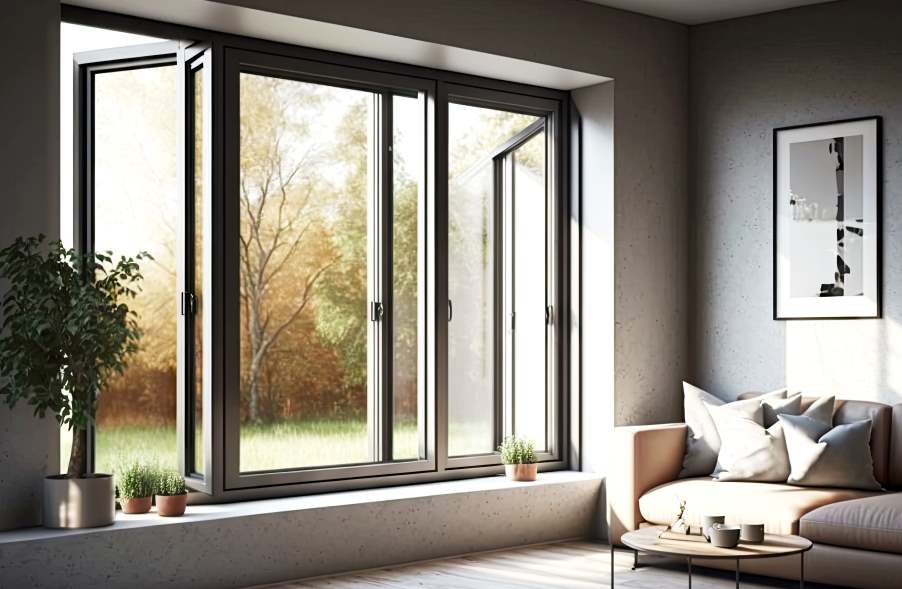
A new construction project aimed at achieving net-zero energy consumption incorporated various passive house principles from the foundation up. The inclusion of triple-glazed windows allowed natural light influx without compromising thermal efficiency, garnering praise from both occupants and energy auditors alike.
These case studies highlight not only the feasibility but also the tangible benefits associated with adopting such advanced building practices.
When considering improvements for your home’s efficiency through windows and doors, Wolfline Aluminium Windows & Doors stand out as an excellent option. Their products are engineered with cutting-edge technology that meets or exceeds Passivhaus standards.
Wolfline offers a range of customizable designs tailored to fit any architectural style while providing top-tier thermal performance. With their commitment to sustainability and innovation, choosing Wolfline ensures your investment enhances both comfort and security within your home.
Adopting a comprehensive approach toward implementing Passivhaus principles involves several actionable steps:
By taking these steps systematically, homeowners can gradually transform their residences into efficient living spaces that align with modern sustainability goals.
As global awareness regarding climate change intensifies, the demand for energy-efficient housing solutions continues to grow. Future trends likely include:
These trends indicate an exciting future where innovative design meets practical sustainability—a synergy that will likely define residential architecture moving forward.
In embracing Passivhaus principles through high-quality products like Wolfline Aluminium Windows & Doors, homeowners not only invest in immediate comfort but also contribute positively towards a sustainable future for generations to come.