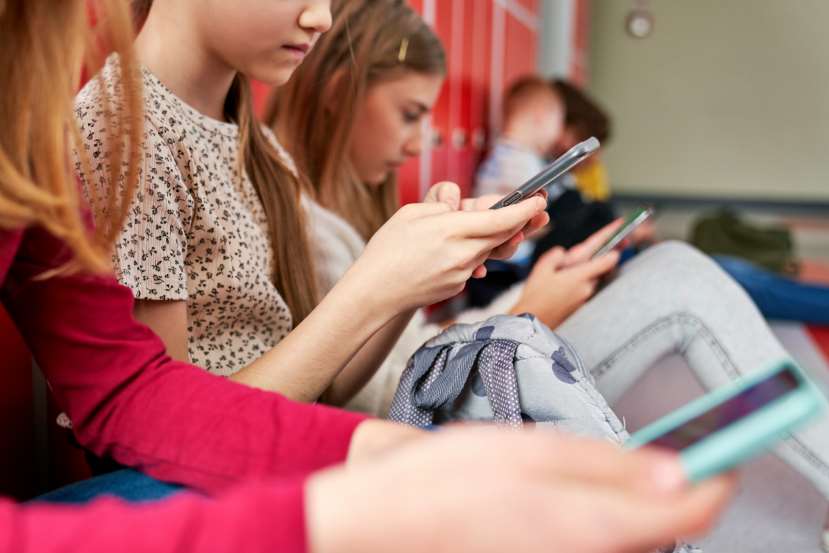
In the heart of every classroom, being present is the foundation for focus, connection, and growth. Yet constant access to technology has made that presence harder to sustain. This fall, New York City schools began a bold journey to restore that presence through a new “bell-to-bell” cellphone ban. Brain Power Wellness, a holistic, school-based wellness organization, views this shift as a powerful opportunity to deepen connection and strengthen community across school environments.
What Does The Policy Entail?
The bell-to-bell policy restricts the use of smartphones, tablets, and other internet-enabled devices during the school day. The New York Times reported that with one million students, New York City Public Schools is the largest district in the country to have banned the use of cellphones at school. Throughout the nation, there are currently 31 states (plus the District of Columbia) with some form of cellphone ban in place.
The Challenges With The Policy
Thus far in New York, there has been both optimism and frustration from parents, students, and teachers. As Brain Power Wellness (BPW) leadership views it, this is an understandable reaction to such a significant lifestyle change. At the outset, parents expressed worry about not being able to reach their children; teachers cited concern that enforcing the ban would take time out of the school day; and students vented frustration at not being allowed to use their phones or laptops to take notes.
The Benefits and Challenges Of The Policy
Notwithstanding these initial concerns, students are already reporting an improvement in their mental health as well as a strengthening of their relationships with peers. Many say they have had more conversations with old and new friends in the few weeks since the ban took effect than during their entire time in school the previous year.
This outcome resonates deeply with Brain Power Wellness’s core goals, as its myriad trainings, workshops, and retreats are each designed to encourage self-awareness, focus, and confidence through the power of authentic human connection.
BPW’s Tips on How to Make the Transition Easier
Adjusting to a cellphone-free school day can feel challenging, but with the right strategies, it can present an opportunity for greater focus and connection. Drawing on BPW’s practices, here are some tips to navigate the transition with confidence.
Transforming the Learning Environment
As Brain Power Wellness reviews, the cellphone ban represents more than a policy change. It reflects a pathway for school environments to become more vibrant, mindful, and inclusive. By putting in place these cellphone bans and encouraging students to engage in more real-time peer-to-peer interactions during their school day, the fervent hope of educators and lawmakers nationwide is that students will thrive academically, socially, and emotionally, which, in turn, will build a foundation for lasting success well beyond the classroom.
About Brain Power Wellness
Brain Power Wellness is a holistic, school-based wellness organization that supports healthy, happy, and focused school environments. Its mission is to help transform the culture of its partner schools through self-development, mindfulness, community building, retreats, SEL, holistic wellness, and brain training for teachers, students, parents, and administrators.