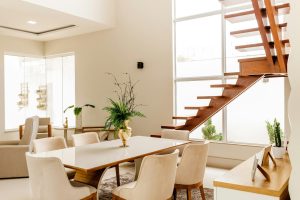
In summary: foxydroom com is a specialized digital resource dedicated to optimizing small-scale living environments through modular design and multifunctional furniture. This guide provides actionable strategies for transforming cramped urban spaces into high-utility, aesthetic homes.
The insights covered in this article range from the psychological impacts of clutter to the latest trends in transformable architecture. I’ve detailed the specific furniture investments that hold their value, common DIY pitfalls to avoid, and a breakdown of how to audit your square footage for maximum efficiency. Reading further will give you the blueprint needed to reclaim your living space without a major renovation.
Navigating the challenges of modern housing requires more than just a set of shelves; it requires a shift in how we perceive boundaries and utility. At its core, the philosophy behind foxydroom com focuses on the “active vs. passive” use of space. Most rooms have significant “dead zones”—corners, high ceilings, or the undersides of beds—that serve no purpose. By identifying these areas, we can implement systems that serve multiple functions throughout the day.
When I look at an interior, I don’t just see four walls. I see a dynamic environment that should change based on whether you are working, resting, or entertaining. The goal is to eliminate the feeling of being “boxed in” by using light, scale, and convertible elements.
Optimizing a home is a systematic process. It isn’t about throwing things away; it’s about strategic placement and selection.
Living in a confined area can actually impact your cortisol levels and overall stress. According to research published by the Association for Psychological Science, our physical environment significantly influences our cognitive load and emotional regulation. When our surroundings are cluttered or poorly organized, our brains struggle to find “visual quiet,” leading to increased fatigue.
This is why the layouts discussed at foxydroom com prioritize “hidden” storage. If the eye can rest on clean lines, the mind follows suit.
| Feature | Pros | Cons |
| Modular Furniture | High versatility; moves easily between homes. | Can be more expensive upfront than static pieces. Modular furniture can be great in small spaces, but the price tag can be hard to swallow. |
| Open Concept Layouts | Increases natural light and social flow. | Lack of privacy and sound dampening. |
| Minimalist Decor | Reduces cleaning time and mental stress. | Can feel “cold” if not balanced with textures. |
| Vertical Storage | Maximizes every inch of the property. | Requires a ladder or step stool for daily items. |
I often see homeowners try to over-compensate for small rooms by buying tiny furniture. This is actually a mistake.
Another example involves color palettes. While white is the default for small spaces, using a dark, moody color in a small bathroom can actually make the walls “disappear” into the shadows, creating an illusion of infinite depth.
Efficiency is the byproduct of intentionality. If you look at the design principles championed by Architectural Digest, you’ll notice that the most successful small homes focus on “bespoke” solutions. You don’t need a custom-built home to achieve this; you just need to measure with precision.
Before buying any new piece of furniture, I recommend masking out the dimensions on your floor using painter’s tape. Leave it there for 24 hours. If you find yourself tripping over the tape or feeling cramped, that piece of furniture is too large—regardless of how much you like it in the showroom.
How do I make a windowless room feel larger?
Focus on “layering” light. Use a combination of LED strips behind furniture to create a “wash” on the walls, and use artwork that features “deep” perspectives, such as landscapes with a clear horizon line.
Is it possible to have a home office in a studio apartment?
Absolutely. The “cloffice” (closet-office) trend is a staple at foxydroom com. By removing closet doors and installing a floating desk, you can have a dedicated workspace that “disappears” when you close a curtain or screen.
What is the best flooring for small spaces?
Consistency is key. Using the same flooring throughout every room (including the kitchen and entryway) prevents visual breaks. This seamless transition tricks the brain into seeing the entire footprint as one continuous, large area.
How can I manage cables in a tech-heavy small room?
Cable management is the secret to a high-end look. Use hollowed-out baseboards or simple cord boxes. Visible “spaghetti” wiring is one of the fastest ways to make a well-designed room look messy.
The art of living well doesn’t require thousands of square feet. It requires a commitment to quality over quantity and a willingness to experiment with unconventional layouts. By focusing on the principles of modularity and visual flow, you can create a sanctuary that feels both expansive and intimate.