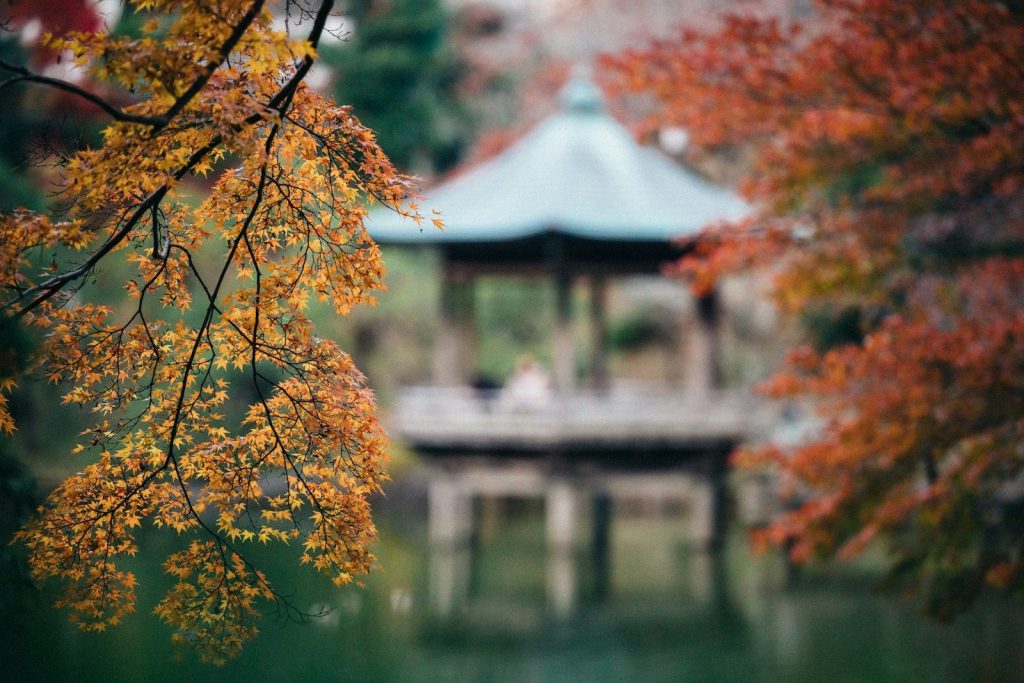
In summary: The best places to see autumn leaves in Japan range from the rugged mountains of Hokkaido in late September to the refined temple gardens of Kyoto in late November. Key destinations include the “Golden Route” locations of Nikko, Nara, and Lake Kawaguchi for iconic views of vibrant maples and ginkgo trees.
Navigating the best places to see autumn leaves Japan offers a completely different rhythm than the fleeting cherry blossom season, providing a deep, lingering glow that transforms the archipelago into a gallery of crimson, gold, and amber. While sakura is a race against time, “Koyo” (autumn foliage) is a slow burn that travels from the north to the south over the course of ten weeks. I have spent years tracking these color shifts, and I can tell you that timing is everything. If you arrive in Tokyo expecting red maples in October, you’ll be met with green leaves; if you head to Hokkaido in November, you’ll find nothing but bare branches and snow.
In this guide, I will break down the essential geographical timing you need to master, the specific spots that offer the highest “color density,” and the practical data points that separate a good trip from a world-class photography expedition. We will look at why altitude matters more than latitude in certain regions and how to avoid the crushing crowds at the most popular shrines.
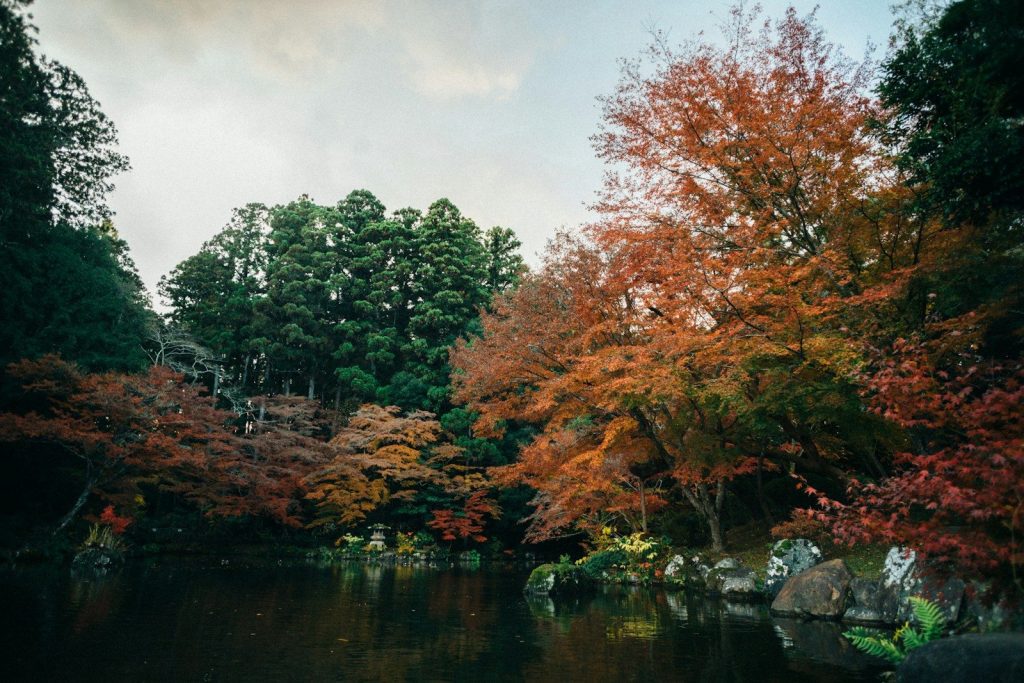
Unlike the spring blossoms, which are triggered by rising temperatures, autumn colors are dictated by the arrival of cold fronts. The process begins when nighttime temperatures consistently drop below 8°C. This chemical shift halts chlorophyll production, allowing carotenoids (yellows) and anthocyanins (reds) to take center stage.
According to the Japan Meteorological Corporation, the season typically moves at a pace of about 27 kilometers per day. This predictability allows us to plan with high precision.
Just a two-hour train ride from Tokyo, Nikko is arguably the most comprehensive spot for foliage because of its dramatic elevation changes. You can see the colors at Lake Chuzenji in mid-October, and then watch them “descend” toward the Shinkyo Bridge and Toshogu Shrine by early November.
Kyoto is the emotional heart of Koyo. The contrast between the dark wood of centuries-old temples and the screaming red of the Iroha Momiji (Japanese Maple) is unmatched. Arashiyama is the primary draw, but I often steer my readers toward the “philosopher’s path” for a more contemplative experience.
The “Momiji Corridor” near Lake Kawaguchi provides the quintessential Japanese postcard shot: a tunnel of red maples framing a snow-capped Mount Fuji. Data from local tourism boards suggests that the peak here usually hits during the first two weeks of November.
| Region | Peak Window | Highlight Feature | Recommended Transport |
| Hokkaido (Daisetsuzan) | Late Sept | Volcanic landscapes | Rental Car |
| Tohoku (Hachimantai) | Early Oct | Winding mountain roads | Bus/Car |
| Kanto (Nikko) | Late Oct | Waterfalls & Shrines | Tobu Railway |
| Kansai (Kyoto) | Late Nov | Night illuminations | Local Bus/Walk |
To truly appreciate the best places to see autumn leaves Japan, you have to look beyond the famous landmarks. Here are the steps I recommend for building a high-impact itinerary:
Pros:
Cons:
A common mistake I see travelers make is relying solely on rail passes for foliage viewing. While the Shinkansen is great for moving between cities, the best places to see autumn leaves Japan are often tucked away in rural valleys where local buses run infrequently. In regions like Tohoku or the Iya Valley, renting a car is the only way to reach the hidden viewpoints that aren’t swarming with tour groups.
Another oversight is ignoring the Ginkgo trees in the cities. While everyone hunts for red maples, Tokyo’s Icho Namiki (Ginkgo Avenue) turns a brilliant, uniform gold that is just as spectacular. These trees typically peak later than the mountain maples, often lasting well into December.
If you want to escape the primary tourist hubs, I suggest looking toward the Kunisaki Peninsula in Kyushu. Because it is further south and lower in elevation, you can find stunning colors here as late as the second week of December. The stone Buddha carvings and secluded forest paths offer a rugged, spiritual atmosphere that the manicured gardens of Kyoto lack.
Similarly, the Adachi Museum of Art in Shimane Prefecture combines a world-class garden with a background of “borrowed scenery” from the surrounding mountains. The precision of the gardening there ensures that every leaf looks like a deliberate brushstroke in a painting.
When is the absolute best time to see the leaves in Kyoto?
Historically, the most reliable window for “peak” colors in Kyoto is between November 20th and November 30th. However, if there has been an unseasonably warm October, this can push into the first week of December.
Is a JR Pass worth it for a foliage trip?
It depends on your footprint. If you are doing a 7-day sprint from Tokyo to Kyoto to Hiroshima, yes. However, if you are focusing on the deep nature of Hokkaido or Tohoku, you might spend more on local car rentals and private railways than the pass covers.
What should I pack for an autumn trip to Japan?
Layering is crucial. Days can be surprisingly warm and sunny (15-18°C), but as soon as the sun sets, temperatures can plummet toward freezing, especially in mountain areas or temple drafty halls where you must remove your shoes.
Are there any specific “etiquette” rules for Koyo?
In many temples, photography with tripods is strictly prohibited because they block narrow paths. Always look for “No Tripod” signs. Additionally, never touch or pull on the branches to get a better photo; the trees are often hundreds of years old and highly protected.
Do I need to book hotels far in advance?
For Kyoto, yes—at least four to six months. For Tokyo, you have more flexibility, but for ryokans in famous onsen towns like Hakone or Jozankei, early booking is essential as these are the primary local getaway spots for Japanese citizens during the season.
Viewing the best places to see autumn leaves Japan is more than just a sightseeing exercise; it is a lesson in the Japanese concept of Mono no aware—the pathos of things, or a bittersweet realization of the ephemeral nature of life. The intensity of the colors is a direct result of the trees preparing for the harshness of winter.
When you stand under a 400-year-old maple in the courtyard of a Zen temple, you aren’t just looking at a plant; you are witnessing a seasonal ritual that has been documented by poets and emperors for over a millennium. My best advice is to pick one or two “must-see” spots and then allow yourself the freedom to get lost in the smaller, nameless shrines. Often, the most vivid branch you see will be the one hanging over a quiet residential street, far away from the cameras and the noise. Focus on the transition, respect the local pace, and you will find that autumn in Japan is the most rewarding time to visit the country.