Night glare from oncoming headlights or rainy roads can quickly turn a routine drive stressful, prompting many drivers to seek solutions like glasses for night driving. That interest is often fueled by marketing claims around anti glare night driving glasses and yellow lens night driving, even as the research remains mixed. Understanding what research says about do night driving glasses work helps drivers make informed choices about safeguarding their vision and safety after dark.
Many drivers dissatisfied with glare turn to night driving glasses as a potential solution. The idea is compelling: yellow-tinted lenses are marketed to filter out harsh headlight beams and boost contrast, promising greater clarity and comfort at night. However, studies and practical evidence are not always in agreement. To assess whether do night driving glasses work, it is essential to explore what causes glare, how driving glasses for night interact with human vision, and what medical research concludes about their claims.
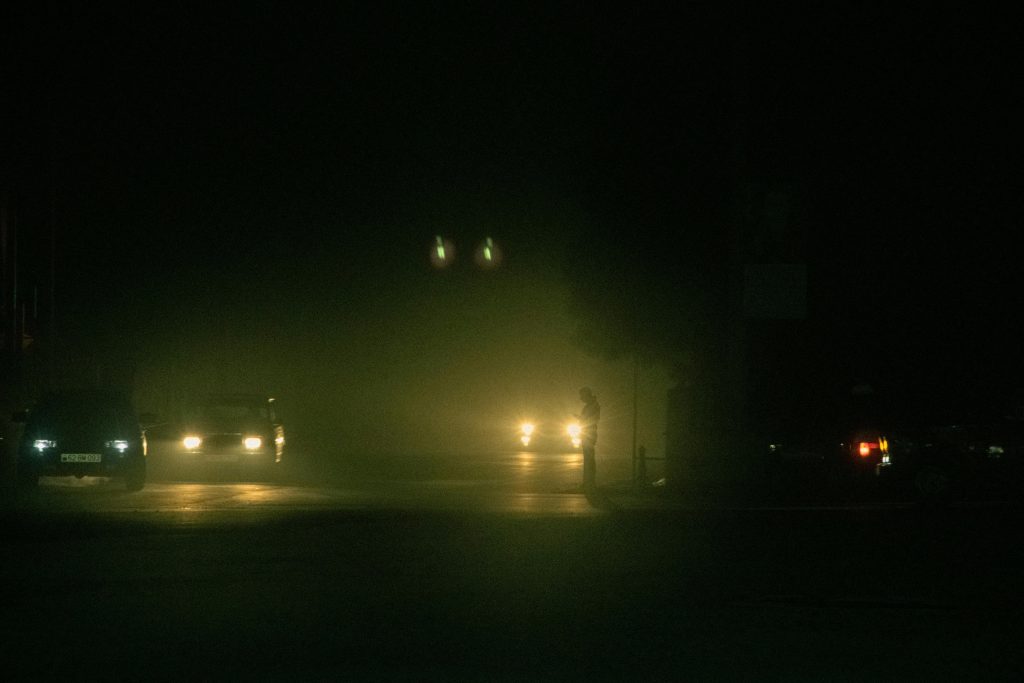
Glare occurs when strong light sources, such as headlights, scatter within the eye, washing out critical visual details. The human eye is particularly vulnerable at night; dilated pupils allow more stray light to reach the retina, making even moderate sources intense and distracting. This experience is familiar to many drivers, especially as bright LED and HID headlights have become standard on modern vehicles.
Night time products marketed as glasses for night driving often utilize yellow or amber lenses, and yellow lens night driving is promoted as a way to limit the most uncomfortable parts of the spectrum. They are advertised to boost contrast and cut down on distracting halos or flare patterns, which is why anti glare night driving glasses remain popular in ads and store displays. However, while these benefits sound promising, scientific studies have found that such lenses can also reduce total light transmission, sometimes making it harder for drivers to spot hazards on poorly lit roads.
While driving glasses for night are frequently marketed as a simple solution, experts recommend that drivers focus on medical and practical strategies first. Factors like dry eyes, uncorrected astigmatism or the early development of cataracts can all significantly increase glare sensitivity and delay visual recovery from bright headlights. Regular eye check-ups and updated prescriptions are often far more beneficial than any over-the-counter product.
Daily driving habits also make a substantial difference. Cleaning both sides of your windshield and mirrors, adjusting dashboard illumination to the lowest safe level, and keeping in-car screens dim help reduce the impact of sudden glare. Drivers should also allow longer following distances at night and avoid looking directly at oncoming headlights. These measures frequently outperform anti glare night driving glasses and are scientifically proven to improve night time comfort and safety.
For some individuals, glasses for night driving may provide a subjective improvement in visual comfort, especially if they increase confidence behind the wheel. That said, relying solely on yellow-tinted lenses can create a false sense of security, and whether night driving glasses work the same for everyone is still questionable in the data. When driving in extremely dark environments, these glasses may actually decrease the light needed for clear vision, making it harder to recognize hazards in time.
The best approach combines regular vision care, vehicle maintenance and thoughtful driving behaviors with awareness of the limited benefits of yellow lens night driving. If you decide to try anti glare night driving glasses, treat them as a comfort option rather than a proven safety upgrade. For most drivers, answering do night driving glasses work comes down to careful expectations and prioritizing fundamentals that consistently improve night time journeys.