
Home staging has been a real estate strategy for decades. It helps make properties more appealing to potential customers. In recent years, however, it has become an incredible commercial tool for e-commerce brands. The combination of home staging with online décor commerce offers an emotional connection. Businesses are adopting this model increasingly to tap into buyers’ emotions. This transformation is not only increasing property sales but also generating new revenue streams. It has a lot to offer for furniture and décor retailers. Let’s dive into complete detail about the evolution of home staging and e-commerce.
Home staging initially helped buyers visualize themselves in a space. Real estate agents promptly observed that staged homes sold faster and at higher rates compared to vacant properties. Today, staging has transformed into a hybrid model. Nowadays, decor is not just for display anymore. Decor items are available for purchase. Potential clients can now “shop the room” directly from online listings. It turns the pre-sale display products into a shopping experience.
It has offered a new frontier where real estate and retail collide for good. Instead of simply glancing at a staged home, buyers are encouraged to buy. Potential buyers can engage with it as a well-organized showroom. Every piece of furniture, artwork, or accessory in this showroom is for sale. For e-commerce brands, staging is more than a marketing tool for selling properties. It has become a direct sales channel that combines lifestyle inspiration with commerce. By turning homes into engaging shopping experiences, staging is helpful in influencing buyers’ decisions. It also assists in driving growth in the online decor market.

In North America, home staging has become an integral part of real estate marketing. However, it is also developing new opportunities for e-commerce brands. Similarly, buyers in the United States and Canada are also drawn to staged homes. They consider it more inviting and easier to imagine living in. Besides this, statistics suggest that staged homes in these regions sell faster and usually above the asking price.
At the same time, furniture and decor services are linking their products directly to online listings. It allows buyers to get the exact items they see in a staged property. This “shop-the-room” model has transformed home staging into a direct sales channel for e-commerce brands.
In countries like the UK, Germany, and France, sustainability plays a crucial role. Potential buyers favor eco-friendly furniture and natural materials. Popular e-commerce platforms such as IKEA have mindfully connected staged decor to their catalogs. Meanwhile, in Asia-Pacific markets such as China and India, AI-driven virtual staging has become a trend.
Statistics highlight the potency of staging-commerce integration. Research shows that around 82% of real estate agents observe that staging helps buyers visualize living in a home. However, up to 96% say staging positively shapes buyers’ decisions. Globally, staged homes sell incredibly faster, with less time on market, ranging from 50% to 73%. It depends on the region. These numbers show why e-commerce brands are interested in capitalizing on the pre-sale moment.
The pre-sale moment in real estate has swiftly become one of the most profitable spending opportunities. It is particularly a spending trigger for homeowners. Nowadays, in the competitive markets, sellers are usually not satisfied with listing their properties “as is”. Instead, they are interested in investing in strategic home staging. The idea is to update fixtures, landscaping, and organized decor to merchandise their homes as products. It is about offering emotional resonance for buyers. Besides, it helps maximize perceived value. The psychology is simple: small, targeted investments can generate outsize outcomes.
John Swann — Founder,John Buys Your House, said:
“In markets like Charlotte, I see sellers regularly spending a few hundred to a few thousand dollars on decor and minor upgrades right before they list, even when they’re selling as-is. It is because they know first impressions move the needle on offers. That pre-listening mindset is a spending trigger for buyers that online retailers haven’t yet figured out how to tap into. The sellers who do it well aren’t decorating — they’re merchandising, and there’s a real difference. This shift of staging and commerce offers a new frontier: online retailers tapping into the pre-sale mindset, trapping spend that’s already happening, and turning home decor into a strategic investment channel.”
Furthermore, sustainability also plays a significant role in eco-friendly furniture. Besides this, wellness-inspired products help in driving sales. Moreover, smart home integration has taken staging beyond furniture. Potential buyers are now purchasing lighting systems, security devices, and entertainment setups directly from staged environments.
The win of staging commerce lies in buyer psychology. When potential customers walk into a staged home, psychology plays a crucial role. Besides evaluating square footage, they visualize their lifestyle. Staging carves an emotional bridge between the property and the customer. It helps them picture how daily life might feel in that space. This emotional connection usually leads to instant decision-making. Besides this, buyers feel more attached to the home and its decor. Instead of looking at an empty shell, they imagine a lived-in environment that matches their aspirations. It makes them more prone to purchase both the property and the staged furnishings.
Devon Howard, CEO, Andor Willow, shared his opinion:
“Sellers are some of the most triggered buyers in home decor. They are spending intentionally and with a deadline. It makes them significantly valuable to e-commerce brands. The challenge is reaching them at the right moment in the real estate cycle. It is important because the window between ‘we’re listing soon’ and ‘the photos are booked’ is where most of the purchase decisions occur. Brands that resonate their acquisition strategy with that urgency, rather than treating it like a generic home refresh, are the ones seeing real returns. This seamless combination of real estate and retail turns the buying journey into a lifestyle experience. The home and its décor are part of the same story. In this way, staging commerce not only increases property sales but also drives growth in the online decor market by holding the power of emotional connection.”
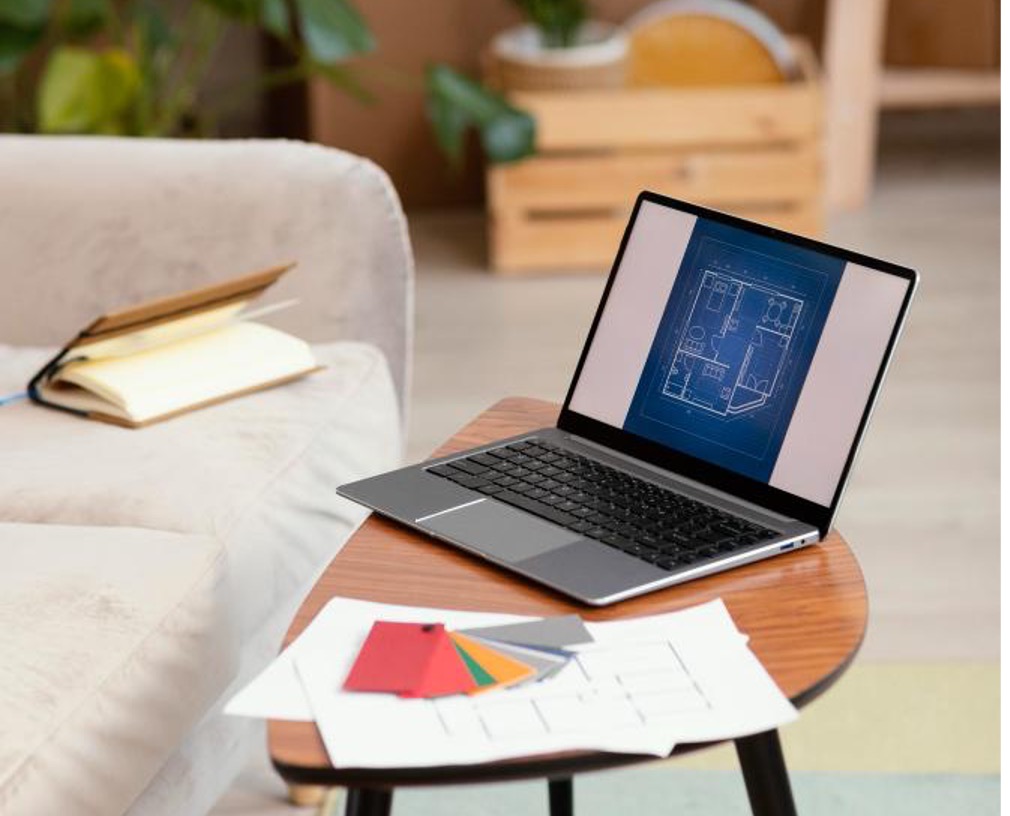
Artificial intelligence has become a major driver in the transition of staging-commerce. One of its most effective uses is in virtual staging. AI tools like Gemini, Copilot, and others create realistic images of furnished homes without physically moving furniture. It saves real estate agents time and money while providing buyers with multiple design options to explore.
For instance, a single property can be staged in modern, appealing, or traditional styles. Moreover, each item displayed can be linked directly to an e-commerce store. This flexibility allows buyers to imagine different lifestyles. This way, they can purchase items that match their preferences instantly.
Home staging has progressed from a simple real estate strategy into a powerful e-commerce opportunity. By transforming homes into engaging showrooms, staging offers buyers the opportunity to imagine their future lifestyle. Besides this, it also facilitates the chance to buy the decor item they see. Statistics show that staged homes sell up to 23% above the listing price and spend around 73% less time on the market, underscoring their impact.
Artificial intelligence further extends this model by developing realistic virtual designs. Plus, suggesting decor layouts to regional preferences. Together, staging and commerce are carving out both property sales and online retail. It is making the pre-sale moment a lifestyle-driven shopping experience.