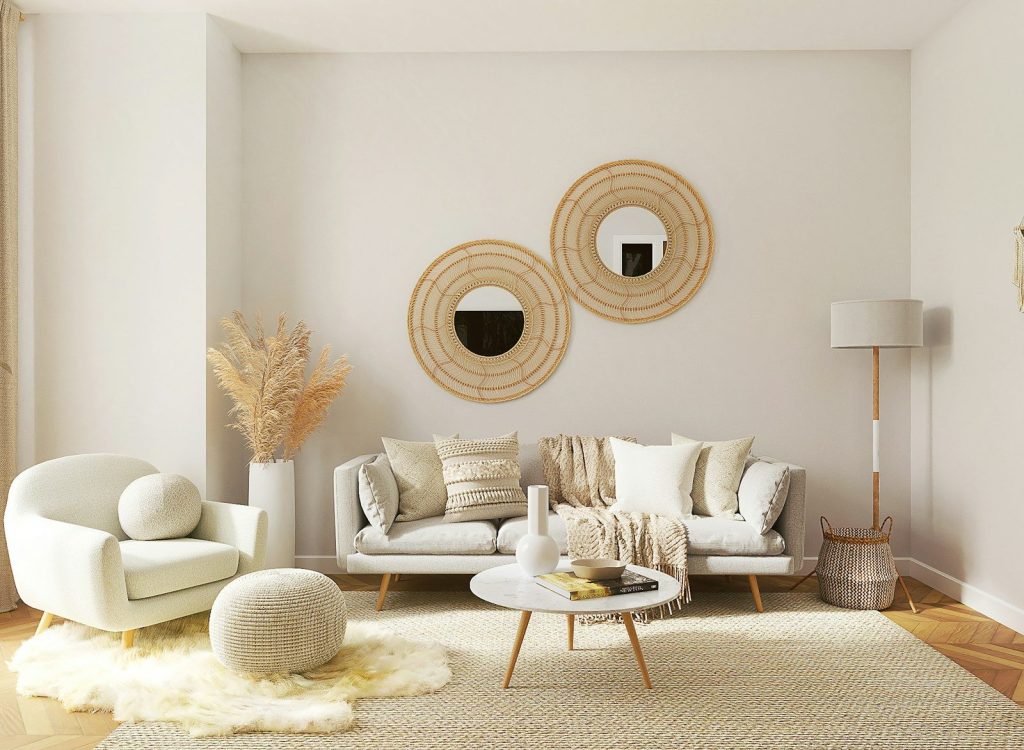
A room can have perfect furniture and carefully chosen lighting and still feel unfinished. Art is often what fills that gap. Original pieces carry a presence that reproductions simply cannot offer. They bring texture, intention, and a genuine perspective into any space. The emotional weight of a painting or mixed-media piece changes how a room feels to everyone who enters it. Selecting art with care is one of the most direct ways to shape the atmosphere of a home.
Color registers before subject matter does. A canvas dominated by warm ochres and terracottas pulls warmth into a room immediately. Cool blues and grays, used with restraint, create calm without tipping into coldness.
Collectors who take color seriously often discover that contemporary modern paintings for the home decor offer a tonal range that printed reproductions simply cannot replicate. The pigment depth and surface variation in an original piece subtly shift how surrounding walls and furnishings are read. Color in original work is never flat; it responds to natural light and changes character across the hours of a day.
Warm-toned originals make living areas feel socially inviting and energetically open. Cool palettes suit bedrooms and reading spaces where a quieter atmosphere is the goal. A single well-chosen piece can reframe how everything else in a room is perceived.
The imagery in a piece communicates something before a viewer consciously processes it. Abstract work invites personal interpretation. Figurative pieces introduce narrative tension or quiet intimacy. Landscapes tend to expand a room both visually and psychologically.
Abstract compositions hold attention differently over time. They resist a fixed reading, which prevents a space from feeling static or overly resolved. Representational work, by contrast, anchors a room in a specific emotional story. Neither is the better choice in isolation; the decision depends entirely on the mood a space is meant to carry.
Even a strong painting loses its effect when placed incorrectly. A piece too small for its wall disappears. One that is too large crowds the surrounding elements and creates visual tension for the wrong reasons.
Gallery-standard placement, with the artwork’s visual center sitting at roughly eye level, remains the most consistently effective approach. On larger walls, a single oversized piece usually reads with more authority than several smaller works competing for the same attention.
When arranging a collection of pieces together, visual coherence matters more than subject consistency. A shared color thread, consistent framing style, or unified tonal quality can bring together works that would otherwise feel unrelated.
Texture is one of the most underestimated qualities original art brings to a space. Impasto brushwork, layered mediums, and raw canvas edges introduce a tactile dimension that shifts how light moves across a surface throughout the day. Morning light reads entirely differently on a textured canvas than afternoon sun does. That constant, subtle variation is part of what keeps a room feeling alive rather than decorated.
Mass-produced prints read as decoration. Original art reads as intention. Visitors sense the difference, often before they can explain it. A home that includes original work, even pieces modest in size, signals that the people living there have developed a real perspective on what surrounds them.
Building a collection does not require significant spending at the start. Emerging artists and local galleries regularly offer accessible entry points. What accumulates over time is a layered visual history that no single purchase, regardless of price, can replicate.
Art selection is not a finishing step applied once a room is otherwise complete. It is a core design decision that determines how a space feels to everyone inside it. Color, scale, subject matter, and texture each contribute to an emotional quality that furniture and paint alone cannot produce. Choosing original work over generic alternatives brings lasting character into a home. The right piece does not simply occupy wall space; it reshapes the room built around it.