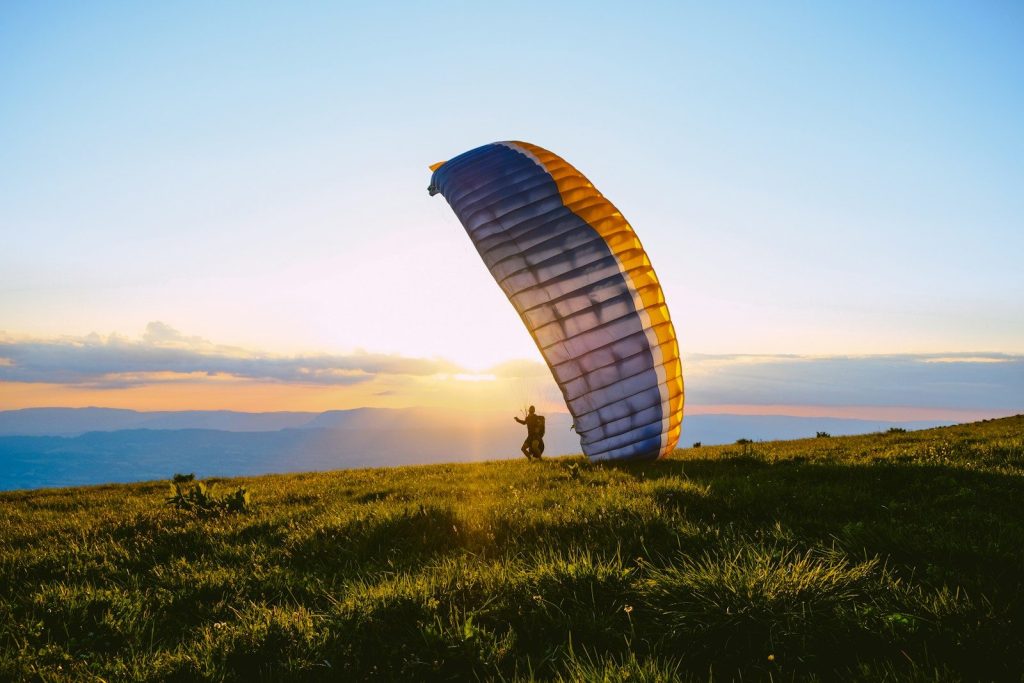
Few experiences match the quiet freedom of floating high above alpine valleys, surrounded by jagged granite peaks, pine-forested slopes, and mirror-like mountain lakes. Paragliding transforms human flight from an ancient dream into an accessible, deeply peaceful reality.
For travelers seeking breathtaking aerial adventures in Europe, paragliding flights in Austria offer some of the most dynamic thermal flying, rich scenic variety, and professional safety standards on the continent. Nestled in Austria’s westernmost region, Vorarlberg serves as the gateway to the Alps, blending pristine alpine landscapes with world-class flight infrastructure.
Whether you are a seasoned adventure seeker or a first-time visitor curious about taking to the skies, this comprehensive guide covers everything you need to know about tandem paragliding in Vorarlberg, safety protocols, flight conditions, and what makes Montafon one of the premier flying regions in Europe.
Vorarlberg occupies a unique geographical position where the Northern Limestone Alps meet the Silvretta and Verwall mountain ranges. This creates a rich microclimate ideal for free-flight sports.
Unlike flatland paragliding—which relies heavily on winches or tow systems—mountain flying in Vorarlberg utilizes high-altitude launch sites accessible via scenic cable cars. Pilots and passengers launch directly into rising air currents, allowing for longer flight durations and panoramic views spanning Austria, Switzerland, Liechtenstein, and Germany.
While Vorarlberg features several world-class flying regions, the Montafon valley stands out as the crown jewel for tandem paragliding enthusiasts. Stretching 39 kilometers from the Bielerhöhe pass down to Bludenz, Montafon is framed by three striking mountain ranges: the Verwall to the north, the Silvretta to the south, and the Rätikon to the west.
Booking paragliding flights in Montafon gives passengers front-row seats to towering peaks like the Piz Buin (3,312 m) and sweeping views across green alpine pastures.
| Montafon Paragliding Snapshot | Details |
| Primary Launch Altitudes | 1,800 m – 2,300 m above sea level |
| Typical Flight Duration | 15 to 45+ minutes (depending on flight type & weather) |
| Best Season | Year-round (May–October for thermals, Winter for snow flights) |
| Passenger Requirements | Ages 6 to 99; weight typically between 25 kg and 110 kg |
| Accessibility | Minutes from Schruns, Tschagguns, and Gaschurn cable stations |
Many prospective fliers worry that paragliding requires intense athletic ability or previous experience. In reality, tandem paragliding requires zero prior experience. You fly securely attached to a state-certified, highly trained commercial tandem pilot who handles 100% of the navigation, meteorology, wing control, and landing operations.
Working with an established team like Wolf paragliding service ensures every aspect of your flight—from pre-flight equipment checks to post-landing photo handovers—is managed with professional precision.
Proper preparation ensures a comfortable and enjoyable experience in the air. Temperatures drop by roughly 0.65°C for every 100 meters of elevation gained, and relative wind chill increases while flying at speeds around 35–40 km/h.
Tandem providers in Vorarlberg offer several flight styles tailored to different comfort levels and preferences:
Ideal for first-timers, children, or anyone seeking a calm experience. Held during the quiet morning air before thermals develop, these flights provide a smooth descent down the mountain.
Designed for those who want to stay airborne longer. Utilizing rising thermal air, your pilot will climb above the launch site, reaching higher altitudes and covering greater distances across the valley.
For adrenaline enthusiasts. Your pilot executes dynamic flight maneuvers such as steep spirals, wing-overs, and high-G turns before returning safely to the landing field.
Austria maintains some of the strictest aviation regulations in the world for tandem paragliding. Pilots undergo rigorous multi-year training, practical examinations, emergency procedure drills, and routine medical certifications regulated by the Austrian Civil Aviation Authority (Austro Control).
Furthermore, tandem gear features double-redundant safety systems:
Passengers as young as 6 years old (with parental consent) can fly. Weight limits typically range from a minimum of 25 kg (55 lbs) to a maximum of 110 kg (242 lbs) to stay within the certified weight window of tandem gliders.
Surprisingly, vertigo rarely occurs while paragliding. Vertigo requires visual contact with the ground attached to a solid structure (like standing on a ladder or balcony). Once your feet leave the ground and you are suspended smoothly in the air harness, the sensation of depth changes, and most people feel entirely at ease.
Yes! Winter tandem flying over snow-covered landscapes in Montafon is an incredible experience. Passengers launch on foot or with skis directly from winter ski resorts.
Tandem paragliding offers an unparalleled perspective on the natural wonders of western Austria. Floating effortlessly high above the valleys of Montafon, surrounded by majestic Alpine peaks, is an experience that stays with you long after landing.
Ready to experience the magic of free flight for yourself? Reserve your flight with certified professionals, suit up, and discover the unmatched beauty of the Austrian Alps from the sky.