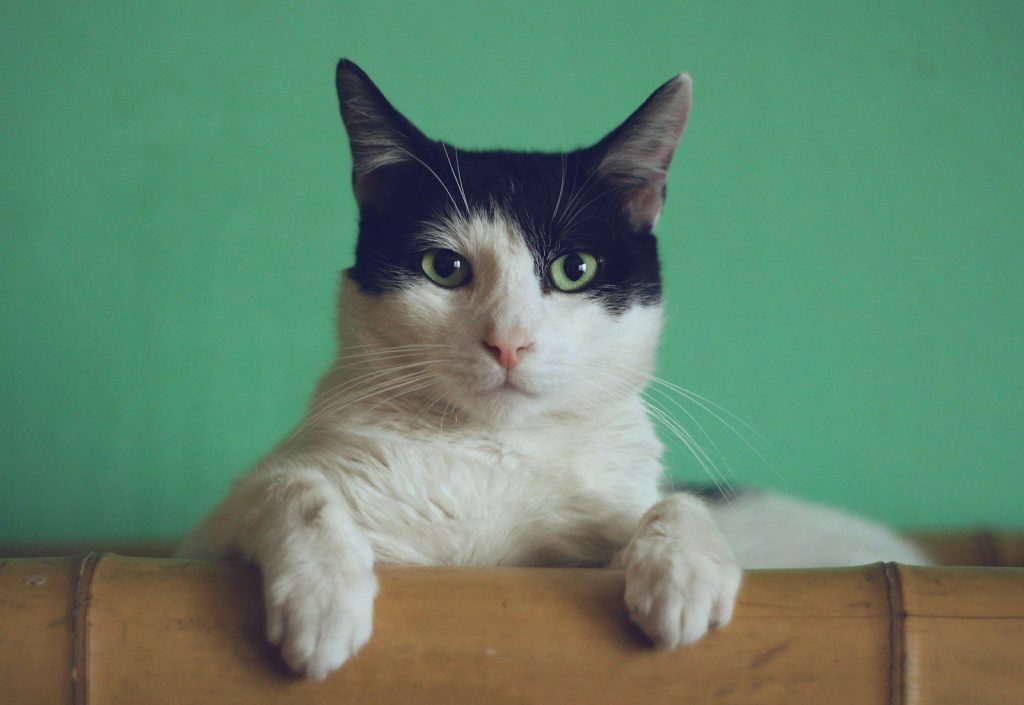
If you notice your cat breathing fast, it can be alarming. Cat breathing fast is a condition that every pet owner should understand. Knowing the difference between normal and abnormal breathing can save your cat’s life.
Rapid breathing in cats (also called tachypnea) occurs when a cat takes more than 30 breaths per minute at rest. This can signal anything from mild stress to a life-threatening emergency.
Therefore, understanding the causes and symptoms is essential for every cat owner.
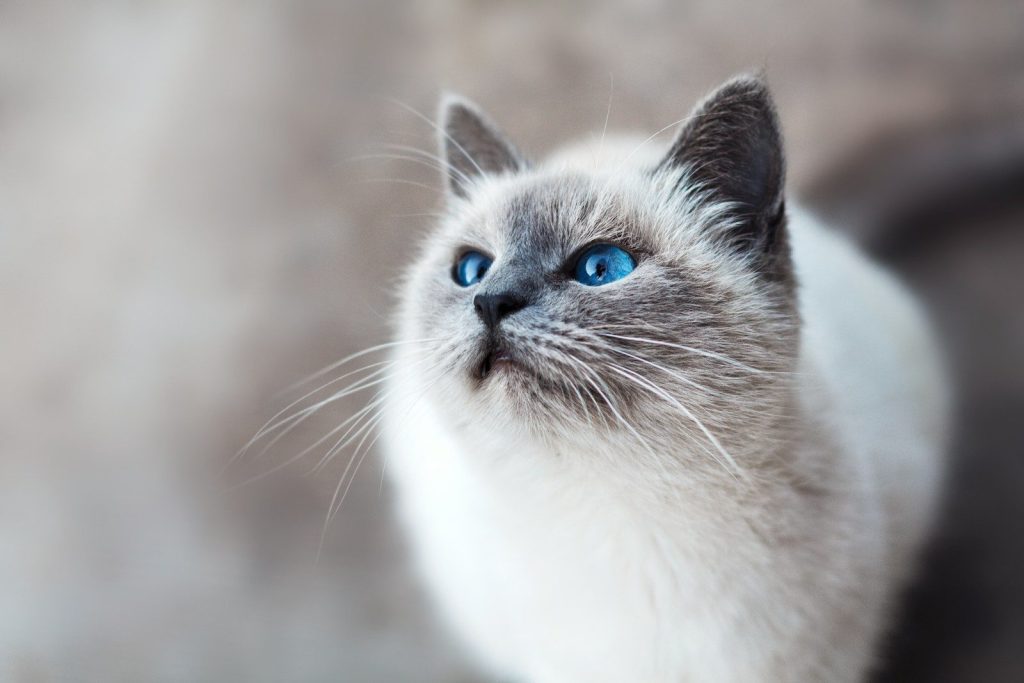
A healthy adult cat breathes between 15 and 30 times per minute while resting. Kittens may breathe slightly faster. However, anything above 40 breaths per minute at rest is considered abnormal and warrants veterinary attention.
To count your cat’s breathing rate, watch the rise and fall of their chest. Count each rise as one breath. Time this for 30 seconds, then multiply by two. For example, if you count 25 rises in 30 seconds, your cat is breathing at 50 breaths per minute, which is too fast.
Several conditions can cause a cat breathing fast. Some are temporary and harmless, while others are serious and require urgent care.
Fast breathing alone can be concerning, but certain accompanying symptoms make the situation more urgent. Additionally, recognizing these signs early helps you act quickly and appropriately.
Some situations demand that you act within minutes. Breathing rates exceeding 60 breaths per minute, gasping sounds, or blue and gray gums indicate a life-threatening emergency. Furthermore, collapse or extreme lethargy alongside breathing changes requires you to head to an emergency vet immediately without waiting.
In these moments, do not wait to see if things improve on their own. Every minute of delay can be potentially fatal. Call the veterinary clinic ahead of your arrival so they can prepare for your cat.
Not every episode of cat breathing fast is an emergency, but it is always better to err on the side of caution. However, certain situations clearly require a vet visit without delay.
Visit an emergency vet immediately if your cat shows:
Schedule a routine vet visit if your cat shows:
If your cat’s sides are moving dramatically in and out, or if breathing comes with a whistling sound, contact your vet right away or call the nearest after-hours animal emergency hospital.
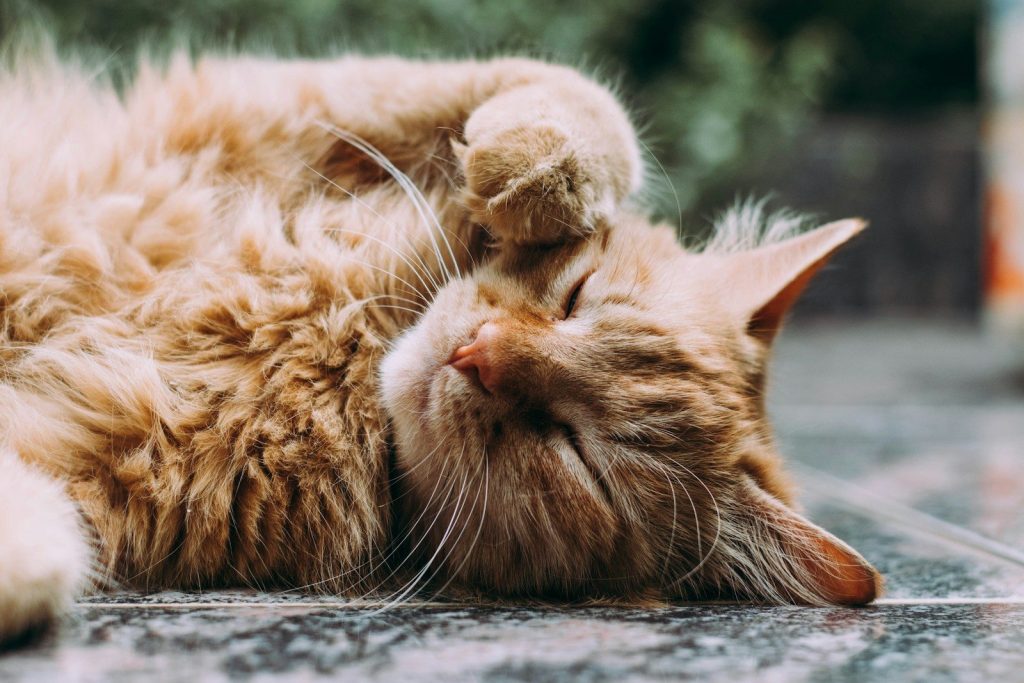
While preparing to go to the clinic, take a few quick steps to help your cat and inform the vet. First, count your cat’s breathing rate and note it down. Additionally, check the color of their gums without causing extra stress.
Keep your cat calm and avoid handling them more than necessary. Stress can worsen breathing difficulties. Furthermore, place them in a well-ventilated carrier and keep the environment cool if overheating is a possibility. When you call the vet, clearly describe all the symptoms you observed so the team can prepare for your arrival.
Once at the clinic, your vet will assess your cat’s breathing rate, gum color, and overall condition. Diagnosis typically involves chest X-rays, blood tests, and sometimes ultrasound imaging. These tools help identify the underlying cause, whether it is fluid in the lungs, an infection, or heart disease.
Treatment depends entirely on the diagnosis. For example, cats with asthma may receive bronchodilators or corticosteroids. Cats with pleural effusion may need fluid drained from the chest cavity. Additionally, cats with heart disease receive medications to improve heart function and reduce fluid buildup. In cases of respiratory infection, antibiotics or antiviral treatments are prescribed based on the pathogen involved.
While not all causes are preventable, you can reduce the risk of recurring episodes. Regular veterinary check-ups help identify conditions like asthma or early heart disease before they become severe. Therefore, annual or biannual wellness visits are highly recommended for all cats.
Maintaining a stress-free home environment also plays a significant role. Provide your cat with quiet resting spaces, consistent routines, and minimal exposure to loud noises. Furthermore, keep your home free of known allergens such as cigarette smoke, strong cleaning chemicals, and dusty litter. If your cat has been diagnosed with a respiratory condition, follow all prescribed treatment plans consistently to avoid flare-ups.
Getting familiar with your cat’s normal breathing rate makes it much easier to detect problems early. Check their resting breathing rate once a week as part of your routine care. In addition, watch for any changes in their energy levels, appetite, or posture that might accompany breathing changes. Early detection gives your cat the best chance of a full recovery.