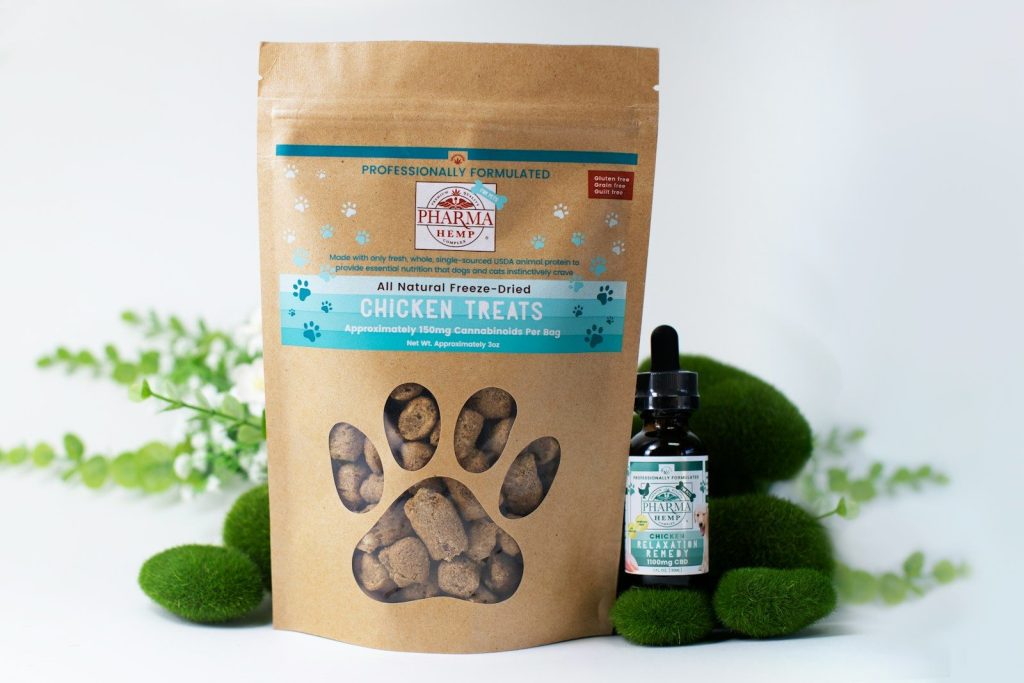
Providing the right nutrition is one of the most impactful ways you can support the health of your animal companion. With the rise of speciality pet food options, many owners feel empowered to choose diets tailored to specific breeds, ages, or health conditions. This article identifies the errors made during the selection process and provides clarity on how to navigate the complex world of animal nutrition.
Many people make the mistake of choosing a speciality diet based on catchy buzzwords without turning the bag over to read the technical data. These terms are often used loosely for marketing purposes and do not always have a strict legal definition that guarantees superior quality. To avoid this trap, you should always skip the flashy labels and head straight for the ingredient list and the nutritional analysis.
A common error is keeping a pet on the same speciality food for their entire life, even as their metabolic needs change. For example, a puppy requires higher levels of protein and specific minerals for bone development. Take note that many speciality foods are formulated with precise balances for specific ages, so it is vital to transition your pet to a new recipe as they hit their developmental milestones.
A major mistake is buying food that lists vague ingredients such as meat by-products rather than specific sources like deboned chicken. Pet Food with high-quality brands will be transparent about where their ingredients come from and how they are processed to maintain nutritional integrity. Vague labelling hides fillers that offer very little biological value to your pet and can trigger digestive sensitivities.
Many owners make the mistake of feeding the same volume of food as they did with a previous brand. Because premium ingredients are more nutrient-rich, your pet may actually require a smaller portion size to maintain a healthy weight and satisfy their hunger. It is essential to read the feeding guidelines on the back of the package and use a proper measuring cup rather than eyeballing the amount.
While some pets do have genuine sensitivities to wheat or corn, many grains provide essential fibre and minerals that contribute to a healthy heart. Some owners switch to grain-free speciality foods, only to find that the replacement ingredients may not suit their pet’s needs. Unless your veterinarian has identified an allergy, a diet containing quality whole grains can be an excellent and nutritious choice.
Low-quality foods contain fillers that pass through your pet’s system without being absorbed, meaning you have to feed larger quantities to keep them full. In contrast, premium speciality diets are more bioavailable, allowing the body to use more of the nutrients and resulting in smaller stools. This means a single bag of high-quality food can often last longer than a cheaper, larger bag of a budget brand.
Every animal is different, and factors such as activity level, breed predisposition, and underlying health issues should all influence the final choice of food. A skilled pet care provider can perform an assessment and recommend a diet that is formulated to address your pet’s requirements. Relying on expert guidance ensures that you are not creating a nutritional deficiency while trying to do the right thing.
Selecting the right speciality pet food is a journey that requires attention to detail and a commitment to understanding the specific needs of your companion. By focusing on ingredient transparency and matching the diet to your pet’s life stage, you are taking a major step towards preventing health issues. Nutrition is a matter for every pet, and what works for one may not be the ideal solution for another.