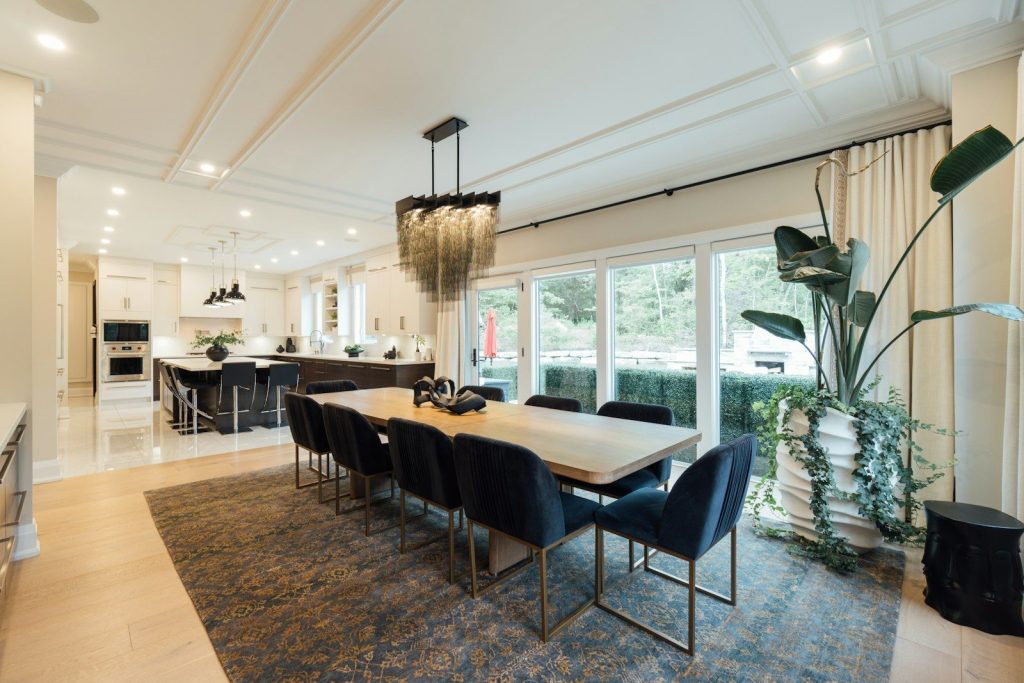
The difference between a dining room that looks finished and one that actually feels inviting often comes down to the details people notice without saying much about them. The chair that feels good after an hour, the light that isn’t too harsh, the table setting that feels relaxed rather than fussy, and the room that lets conversation move easily without everyone feeling boxed in.
That’s why seating deserves proper attention. A dining table might anchor the room, but the chairs shape the experience of sitting there, and designer dining chairs for the home can help bring together comfort, proportion and style in a way that makes the whole space feel more considered.
A beautiful dining chair can still be a terrible chair to sit in. If the seat is too shallow, the back is too straight, or the height doesn’t work with the table, guests may start shifting around long before dessert appears. That matters because dining rooms aren’t only for eating; they’re for lingering, talking, pouring another glass, playing cards after dinner and letting the evening stretch out naturally.
Before choosing chairs, think about how the room is used most often. If meals are quick and casual, you might care most about easy-clean surfaces and a lighter frame. If you host regularly, comfort should move higher up the list, especially for longer lunches or dinners where people stay at the table for hours.
Dining chairs need to suit the table, but they also need to suit the room. Large upholstered chairs can look luxurious, but in a smaller dining area they may make everything feel cramped. Slimmer chairs can help a space feel open, though they still need enough presence to avoid looking flimsy beside a substantial table.
Spacing matters too. People should be able to sit comfortably without feeling shoulder-to-shoulder, and there should be enough room to pull chairs out without hitting a wall, sideboard or kitchen island. A dining setting can look perfect when no one’s sitting there, but the real test is what happens once people actually use it.
A dining room becomes more interesting when it includes a mix of textures. Timber, upholstery, leather, metal, rattan, stone and ceramic can all work together beautifully, but the combination needs a thread that ties it together.
That thread might be colour, shape, tone or mood. For example, a timber table can pair well with upholstered chairs if the colours feel connected, while black-framed chairs can sharpen a softer room when balanced with warm lighting or natural textures.
The aim isn’t to match every piece perfectly. It’s to make the room feel layered without looking accidental.
Dining chairs sit under the strongest visual feature in many dining rooms: the pendant light. If the chairs have a bold shape, a simpler pendant may keep the room calm. If the chairs are understated, lighting can do more of the decorative work.
A welcoming dining room doesn’t need to be formal, expensive or overly styled. It just needs to feel comfortable, balanced and easy to spend time in.
When the chairs support the way people sit, move and gather, the whole dining experience improves. Guests stay longer not because the room is trying to impress them, but because it quietly makes them feel at home.