Few events can upend daily life as quickly as a car accident. Beyond the immediate shock and injuries, victims face challenging questions about healing and fair compensation. Whether it is covering mounting medical bills or dealing with insurance companies, the layers of the recovery journey can be daunting. Understanding the critical role of personal injury law and the avenues for support, such as lawyers for auto accident injuries, is a cornerstone of regaining stability after a crash.
Personal injury law serves as the backbone for victims seeking justice and financial relief. These laws do not just ensure accountability; they also shape the steps accident victims must take to reclaim their health and security. By understanding the legal landscape, injured parties can make the most informed decisions at every stage of the process.
Personal injury laws exist to hold negligent parties responsible for the harm they cause. For those involved in car accidents, these laws allow claims for medical costs, property damage, lost wages, and even compensation for ongoing pain and suffering. The goal, at its core, is to make the injured party financially whole or as close as possible to their pre-accident condition. Laws and policies do vary by state, which is why consulting local legal professionals is crucial to avoid missing critical deadlines or overlooking recoverable damages.
After an accident, some injuries may not be immediately apparent. Even if you feel fine, it is important to see a doctor. Early examination creates a direct link between your injuries and the accident, a crucial piece of evidence for any personal injury claim. Medical records and reports from initial visits can often be the difference between a successful claim and one dismissed for lack of evidence. Delaying care can mean health setbacks and undermine your legal standing.
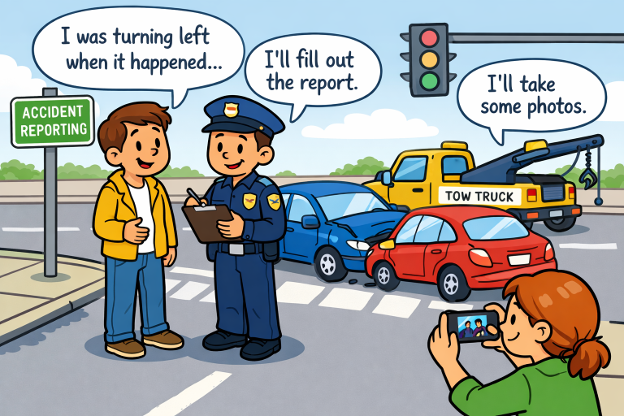
The more information you gather, the stronger your claim becomes. Start by taking clear pictures of the vehicles, the accident scene, all visible injuries, and skid marks or debris on the road. Collect contact information from any witnesses and ask the responding officer for an official police accident report. Maintain a personal file for every bill, medical record, and repair invoice, which can all corroborate your losses. Proper documentation reassures insurance companies and courts that your account of the events is both credible and verifiable.
Dealing with insurance companies is often a significant hurdle after a car accident. Notifying your insurer right away is vital, but be measured when describing the incident. Avoid speculating or admitting fault. It is common for adjusters to offer quick settlements that may fall short of covering your real damages. Before signing anything or sharing extensive statements, consider your rights and potential claim value. Working with a trusted attorney can help you avoid pitfalls during this negotiation phase and fully protect your interests.
Legal support can dramatically improve your odds of a successful outcome. A reputable personal injury lawyer evaluates your claim’s merits, negotiates with powerful insurance interests on your behalf, and, when needed, advocates for you in court. Having legal counsel means you do not have to shoulder the burden alone or risk making costly mistakes. For many, partnering with a lawyer is invaluable in navigating the fine points of the claims process and maximizing compensation.
Car accident victims must act quickly, as each state imposes a statute of limitations on personal injury actions. These legal deadlines often range from one to three years from the date of the accident. If you file after this period expires, you may be forever barred from recovery. Understanding your jurisdiction’s timeline is a must, as delays can have dire financial and legal consequences. Reach out to a legal professional early to avoid missing your window to claim compensation.
The aftermath of a car accident extends beyond physical wounds. Anxiety, depression, sleep disturbances, and post-traumatic stress are common among survivors. Addressing these issues can be vital for a complete recovery, both emotionally and physically. Accessing psychological care and supportive networks can play a pivotal role in holistic healing.
Personal injury law provides a much-needed framework for accident victims to secure fair recovery and regain control of their lives. Alongside prompt medical treatment and careful documentation, legal representation is a critical asset for those navigating the claims process. Healing after a car accident is a complex journey involving physical, emotional, and legal hurdles, but with the right resources and support, recovery is entirely within reach.