In summary: To master how to wash a hat, you must first identify the material and brim construction. Most modern caps require a gentle hand wash in cool water with mild detergent, while vintage hats with cardboard bills must stay completely dry to avoid structural collapse.
Learning how to wash a hat properly is the difference between a crisp, like-new accessory and a misshapen piece of fabric that never fits quite right again. I’ve spent years testing different cleaning methods on everything from sweat-stained gym caps to delicate wool fedoras, and if there is one thing I’ve learned, it’s that the washing machine is usually your hat’s worst enemy.
In this guide, I’m going to share the exact blueprints I use to remove stubborn salt stains, refresh delicate fibers, and maintain the structural integrity of your headwear. We’ll cover the “dishwasher myth,” the essential “float test” for brims, and how to treat different fabrics like cotton, wool, and polyester. By the end of this read, you’ll have the confidence to clean even your most prized limited-edition snapback without fear.
Before we dive into the suds, we have to talk about the “bones” of your hat. Older hats (typically those made before 2004) often utilized cardboard stiffeners in the brim. If you submerge these, they will disintegrate. Modern hats typically use plastic inserts, which are much more resilient.
To check yours, simply flick the brim. A hollow, “clack” sound usually indicates plastic, while a muted “thud” suggests cardboard. If you’re dealing with cardboard, you are limited to spot cleaning only.
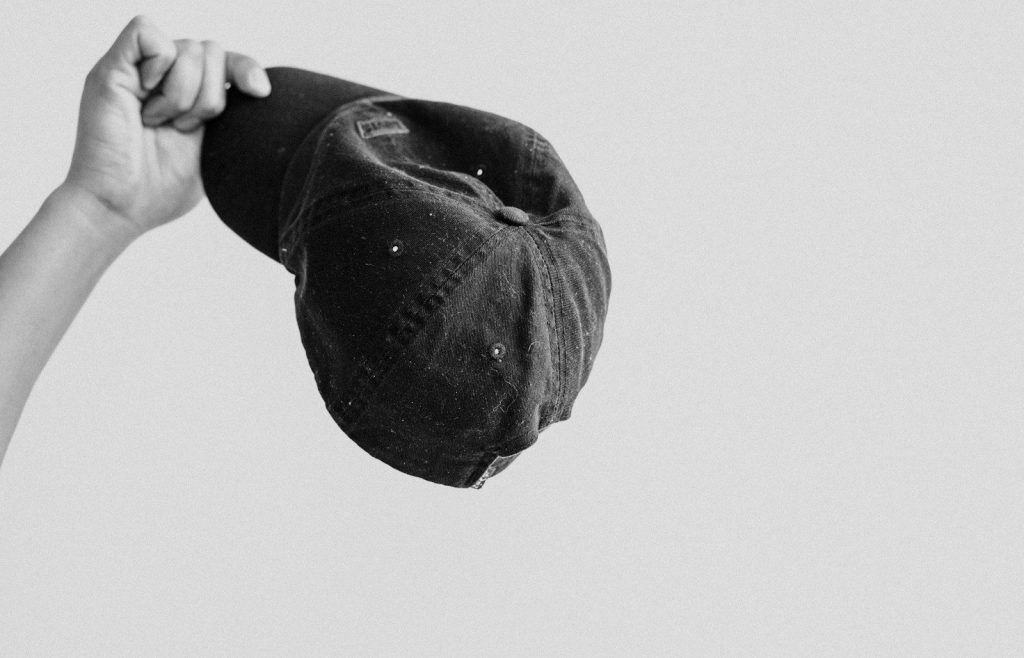
Hand washing is the gold standard. It allows for precision and prevents the agitation that causes “pilling” on the fabric surface.
I see the same errors repeated constantly, often leading to ruined merchandise.
| Hat Type | Recommended Method | Risk Level |
| Standard Baseball Cap | Hand Wash / Soak | Low |
| Wool Fedora | Steam & Spot Clean | High |
| Trucker Hat (Mesh) | Hand Wash / Spot Clean | Medium |
| Beanie (Synthetic) | Machine Wash (Delicate Bag) | Low |
| Vintage (Cardboard Brim) | Dry Spot Clean Only | Extreme |
Wool requires extra calories of effort. According to experts at The Laundress, wool fibers can felt and shrink if exposed to sudden temperature changes or excessive rubbing. If you are cleaning a wool cap, keep the water temperature consistent and use a lanolin-based soap to keep the fibers supple.
Straw hats are a different beast entirely. You cannot submerge them. Instead, use a damp cloth with a tiny drop of dish soap to wipe down the weave. According to Hatco, the manufacturers of Stetson, keeping straw hats lightly hydrated prevents them from becoming brittle, but over-saturation will cause them to lose their shape permanently.
While I generally advise against it, some modern synthetic hats can handle a machine cycle if you follow strict protocols.
Pros:
Cons:
If you must use a machine, always use a “hat cage” or form to keep the shape, and set the cycle to “Delicate” with cold water.
Maintaining a hat isn’t just about the deep cleans; it’s about the daily habits. I recommend spraying a new hat with a fabric protector. This creates a hydrophobic barrier that helps sweat and rain bead off rather than soaking into the fibers. Additionally, after a long day of wearing a hat in the sun, wipe the sweatband with a baby wipe. This prevents the “salt ring” from forming, which is much harder to remove once it has dried and set into the fabric.
Can I wash a hat with a flat brim without ruining it?
Yes, but you must be careful during the drying phase. After washing, lay the brim on a completely flat surface and place a heavy book on top of it while the rest of the hat air dries. This ensures the brim stays perfectly straight.
How do I get rid of the white salt stains on my black hat?
Those white lines are dried salt from your sweat. A mixture of one part white vinegar and two parts water usually does the trick. Dip a soft brush in the solution and gently scrub the stains; the acidity breaks down the mineral deposits.
Is it okay to use OxiClean on my hats?
OxiClean is great for white hats, but be cautious with dark colors. For white caps, a paste of OxiClean and water applied to the sweatband can work wonders on yellowing.
How long does it take for a hat to air dry?
Depending on the humidity and the thickness of the material, it typically takes 12 to 24 hours. Placing it near a fan (but away from direct heat) can speed up the process.
What should I do if my hat shrinks?
If a hat has shrunk slightly, you can steam it using a garment steamer or a tea kettle. Once the fibers are warm and damp, gently stretch the hat over your knee or a hat stretcher until it reaches the desired size, then let it dry in that position.
Can I use a laundry bag for my hats?
A mesh laundry bag is a good idea if you are washing beanies or soft, unstructured “dad hats.” However, for structured caps, the bag won’t provide enough protection against the weight of other clothes in the machine.
The goal of knowing how to wash a hat is to extend the life of your wardrobe. Whether it’s a vintage find or a modern staple, taking the time to hand wash rather than tossing it in with your jeans will keep your headwear looking professional and fresh. Remember to always air dry, respect the brim material, and treat the sweatband as the primary area of concern. With these steps, your favorite hat will stay in your rotation for years to come.