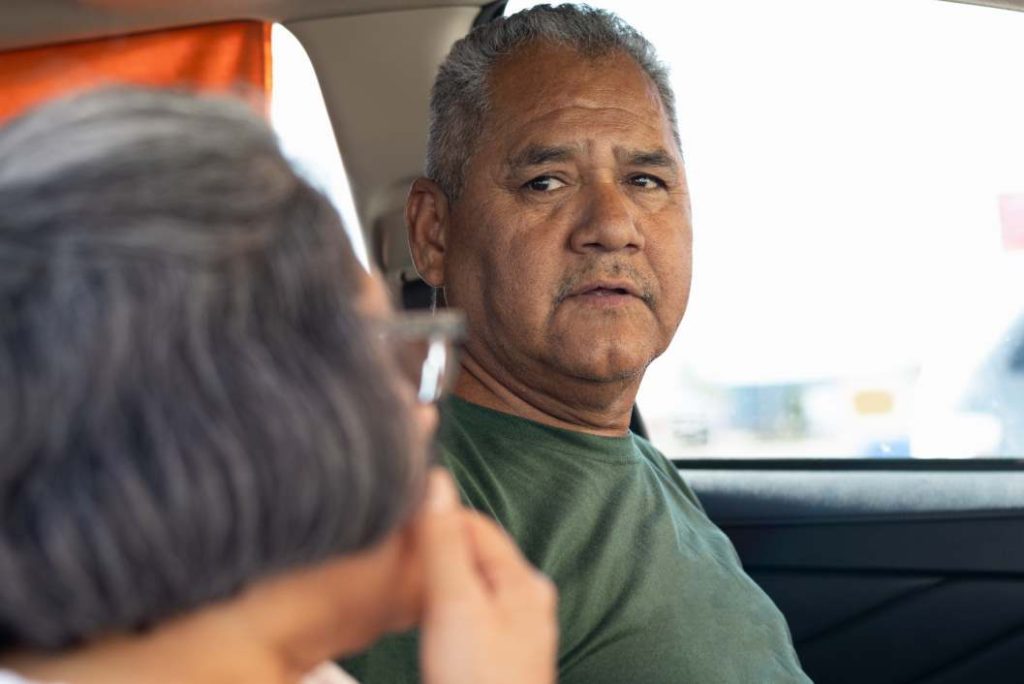
When a person completes addiction treatment, it’s a time filled with hope. Family members are often worried about what happens next. After all, recovery does not end once treatment is over. Returning home brings new challenges and opportunities.
Families and other loved ones can play an important role in helping their loved one maintain sobriety.
The home environment they are returning to can support recovery or add stress. If you’re worried, it’s good to know that preparing ahead makes the transition smoother. It also increases the chances of long-term success. There may be some learning to do along the way.
Relapses can be a part of recovery for many people, and unfortunately, it’s a fact of life in recovery. Between 40 and 60 percent of people treated for substance use disorders relapse at some point after treatment.
Preventing relapse requires a plan. Family support should be part of it. If a person relapses, it doesn’t mean treatment failed. However, it does mean more support, such as additional 12-step meetings, therapy, or aftercare may be needed. Families should learn signs of relapse and know how to respond.
A home should be a safe and supportive place for a person returning home. Of course, no family is perfect and sometimes there can be conflicts or stressors that can’t be ignored.
You may want to make changes before your loved one returns.
Think about what in the home may trigger stress or cravings. Sometimes, this is as simple as removing alcohol from your home. At other times, it may be that your relationship needs work. There may also be certain arguments you’ve had over and over that you need to work through via family or private therapy. Consider attending support groups such as Al-Anon to learn from others and have a place to get your own support.
Creating a peaceful environment helps reduce risk and sets the stage for healing. Families can take the following steps:
These steps show care and can help provide clear expectations. They can also help your loved one feel supported without feeling controlled.
Open communication is an important part of recovery. Communication skills are often broken during active addiction. As loved ones, it’s time to repair them. Practice listening without judgment. Don’t criticize or micromanage your loved one’s life; it will only cause you both stress. Instead, focus on encouragement and respect. Make a list of things you’re grateful for every day.
It is also important to set limits when needed. If your loved one needs to help with chores or expenses, make that expectation clear. When communicating, you may find it helpful to use “I” statements. For example, saying “I feel worried when you miss meetings” instead of “You never go to meetings.” This approach can help avoid blame and keep the conversation open. Regular family meetings or check-ins can also provide a safe space to share feelings and expectations. This is especially helpful if there are children in the family whose needs are often overlooked.
Structure is important for people in recovery. Daily routines help provide stability and reduce opportunities for relapse. Families can help by encouraging healthy activities and being part of them. Examples include cooking meals together, exercising, or taking part in hobbies.
A loved one may also need time for support groups or therapy sessions. Respecting their schedule shows understanding and that you’re on the same team. Recovery is a long-term process that requires commitment. It’s also a way of life that is much higher quality than using drugs or alcohol. Being flexible while also supporting structure is a healthy approach to your loved one’s recovery activities. These activities, after all, are credited with keeping millions of people sober every year.
Family members often focus so much on their loved one that they forget about their own well-being. Many people who live with a person with addiction develop their own issues and trauma surrounding it. They often find themselves with codependency issues or unresolved anger that needs to be addressed, either in family therapy or private therapy.
Supporting someone in recovery can be stressful. Self-care is essential. This might mean joining a support group for families, seeking counseling, or making time for personal hobbies.
Caring for yourself also sets a positive example. It shows that healthy living is truly possible and important for everyone. When family members are rested and balanced, they are better able to provide support.
A relapse prevention plan helps prepare for difficult moments. Families and their loved ones can create a plan together with the treatment center. This plan may include recognizing triggers, listing coping strategies, and knowing who to call when challenges come up. It may involve aftercare or sober housing.
However, it is only the recovering person’s job to stay sober. Don’t micromanage their recovery or nag. Working on the plan ensures you that they know what to do when they find themselves stressed or slipping.
For example, if stress at work triggers cravings, the plan could include taking a walk, calling a sponsor, or attending a 12-step meeting. Having these steps written down makes it easier to act quickly. Families can also discuss how to respond if relapse happens. Responding with compassion and support instead of anger can help the person return to recovery faster.
Recovery is not a one-time event but an ongoing journey. No one graduates from recovery even if they complete a longer-term treatment program.
Long-term sobriety means continuing the journey. This journey may include treatment with community support, healthy habits, and family involvement. Encouraging your loved one to continue therapy, attend support groups, and stay connected with positive influences is key.
Families can also celebrate milestones, such as months of sobriety or personal achievements. These celebrations reinforce progress and remind your loved one that they are not alone.
Preparing for a loved one’s return home after addiction treatment can be rewarding and challenging. Families can help create a supportive environment but ultimately, the addicted person is responsible for their own recovery. Getting support for yourself can help you feel prepared and stable for any bumps in the road. With preparation, understanding, and their own support system, families can play a powerful role in helping their loved one stay on the path.

In Scott Huseby’s previous career, he led one of the most respected litigation support firms in the United States. Yet beyond his professional success, Scott discovered a deeper purpose after experiencing the healing power of recovery firsthand.
That calling led him to Costa Rica, where he became the owner of Costa Rica Recovery, an addiction treatment center in San José – a holistic, participant-centered haven for individuals seeking freedom from addiction. Since then, Scott has opened additional treatment centers and become the owner of Cornerstone Recovery in Santa Ana, California (United States). Now he uses his leadership and lived experience to walk alongside others on their recovery journey, offering the same hope and healing that changed his life.
To learn more about Scott and Costa Rica Recovery, call 1 (866) 804-1793 or visit www.costaricarecovery.com