PT health and wellness combines physical therapy, guided exercise, and preventive care. It helps people reduce pain and move more easily. A physical therapist assesses how your body moves and identifies problems that may affect work, exercise, or daily tasks.
Care may include hands-on treatment, strength training, balance work, and advice for managing symptoms at home. The main goal of pt health and wellness is to restore function, support recovery, and improve long-term physical health.
A PT wellness center provides care for more than recent injuries. It can help people recover after surgery, manage chronic pain, return to sports, or stay active as they age.
Some clinics also offer preventive programs for people who want to improve movement and lower their risk of injury.
At a physical therapy and wellness center, a physical therapist may assess your strength, balance, posture, flexibility, and range of motion.
These tests help identify weak, stiff, or painful areas that may limit your activity. The results allow the therapist to design care around your condition and personal goals.
Common therapy services may include:
Each service should match your symptoms, health history, and comfort level. The therapist may adjust your program as your strength, pain, and movement change.
Physical therapy can help with injuries and health problems that make movement difficult.
People often seek care for back pain, stiff joints, muscle strains, headaches, weakness, or balance concerns. These issues may affect walking, working, driving, exercising, or completing tasks at home.
Common reasons to schedule an evaluation include:
Pain and limited movement can have several causes. A full evaluation helps determine whether physical therapy is suitable or whether you need care from another medical provider.
Your first visit usually begins with questions about your symptoms, medical history, daily routine, and recovery goals.
The therapist should take time to understand which movements cause pain and which activities you want to regain. This information supports a treatment plan that reflects your needs.
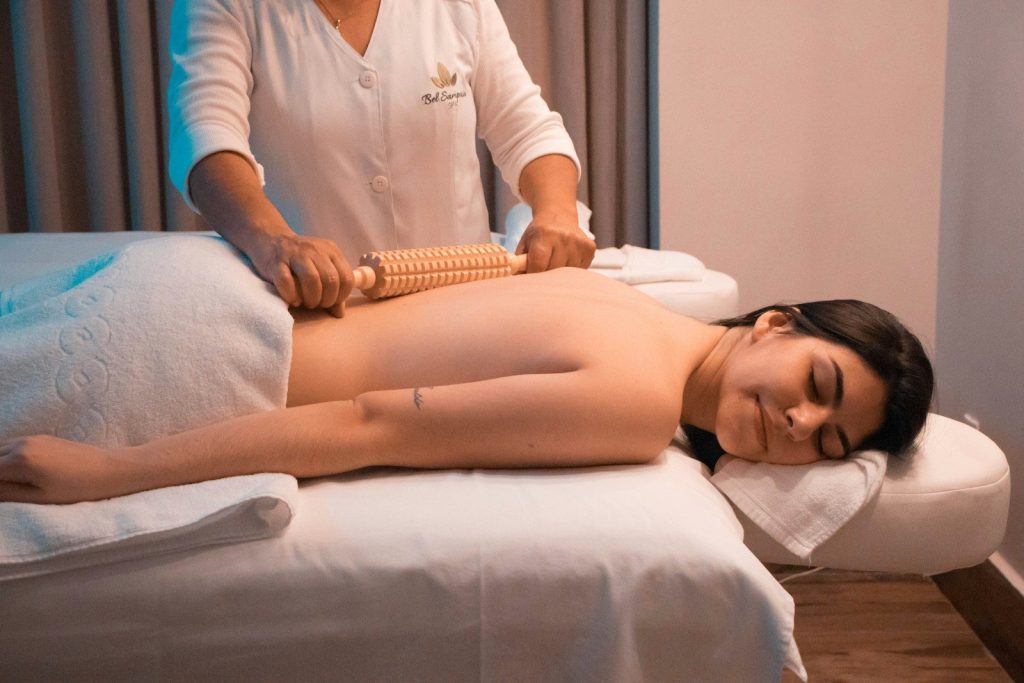
A plan of care may combine manual therapy, movement practice, and therapeutic exercises. Hands-on treatment may improve joint motion, reduce muscle tension, or make movement more comfortable.
Exercise helps build strength, control, balance, and confidence over time.
Your therapist should review your progress throughout treatment. The program may change as your movement improves or if certain exercises increase your symptoms.
This evidence-based approach combines clinical tests, research, professional judgment, and your feedback.
Some clinics offer focused programs for conditions that need special training. Pelvic health therapy may help people with bladder leakage, weakness after childbirth, core muscle problems, or pelvic pain.
Treatment may involve education, breathing exercises, muscle coordination, and gentle movement.
Other specialty programs may include:
People searching for in-touch NYC physical therapy may compare specialty services, therapists’ experience, office hours, and communication styles.
A suitable provider should explain why each treatment is used and involve you in decisions about your care.
Recovery time depends on your condition, general health, pain level, and how long the problem has been present.
A mild strain may improve after a few visits, while recovery from surgery or long-term pain may take several weeks or months. Your therapist should discuss realistic goals without promising a fixed result.
Some people attend therapy one to three times per week during the early stages of care. Visits may become less frequent as strength and movement improve. Following your home program can also affect how quickly you make progress.
Signs of progress may include:
Recovery may not improve at the same rate every week. Mild soreness can occur after new exercises, but severe or lasting pain should be discussed with your therapist.
Home exercises are an important part of most physical therapy programs. Your therapist may give you movements to practice between appointments.
The instructions should explain the correct form, number of repetitions, frequency, and the signs that indicate when to stop.
You can support your recovery by:
Avoid adding intense exercises without speaking with your therapist. Doing too much too soon can increase irritation and delay recovery.
Before treatment begins, ask the clinic about insurance coverage, copays, deductibles, visit limits, and referral rules. Insurance companies may apply different requirements based on the policy and diagnosis.
Approval for treatment does not always mean that every service will be fully covered.
Contact your insurance provider and the clinic’s billing team to confirm your benefits. Ask whether the provider is in-network, whether prior approval is needed, and how many visits your plan allows.
You may also request an estimated cost before your first appointment.
Many clinics allow patients to request an evaluation by phone or through a contact form. Share clear details about your symptoms, schedule, insurance plan, and referral status. This information helps the clinic book the right type of appointment.
Choose a provider who offers licensed care, a detailed evaluation, and clear communication. Ask whether the therapist has experience with your condition and how progress will be measured.
The provider should also explain the expected benefits, possible discomfort, and available treatment choices.
A strong rehabilitation program should teach you how your body moves and how to manage future problems. It should connect short-term pain relief with better movement habits and steady physical progress.
The long-term goal is to improve independence, overall health, daily function, and quality of life.