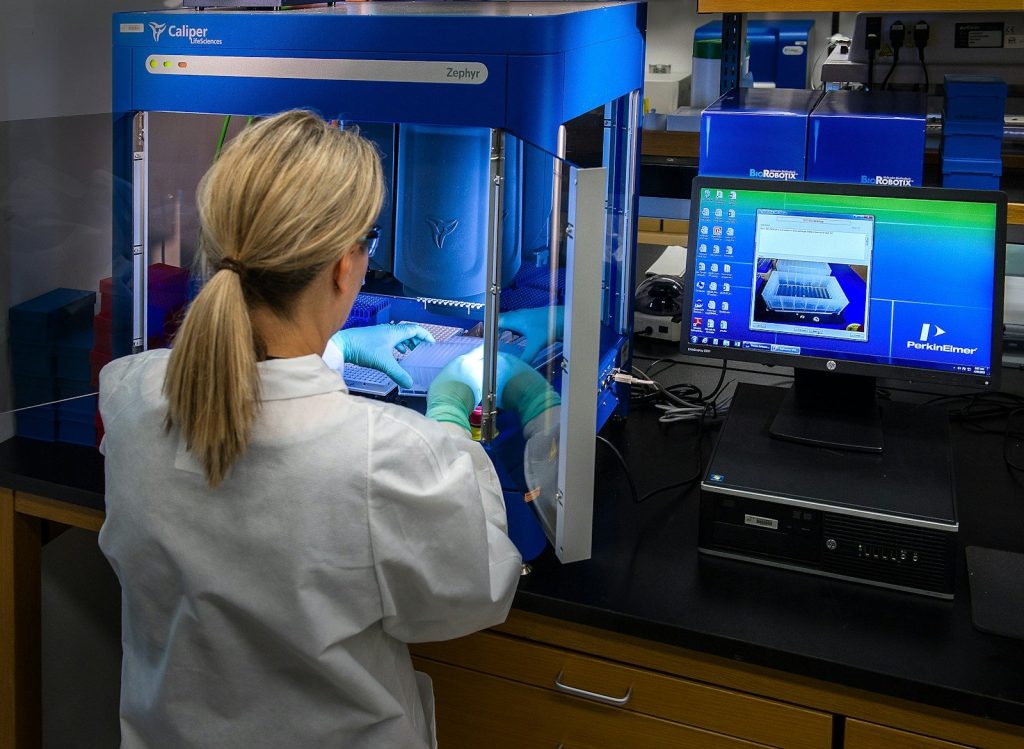
Health optimization is no longer limited to following general wellness advice or standard treatment plans. Advances in genetics, biotechnology, and data-driven healthcare are making it possible to understand the unique biological characteristics of each individual. Instead of relying on a one-size-fits-all approach, healthcare professionals are increasingly using genetic information to support personalized wellness strategies.
As scientific knowledge continues to expand, genetic insights are helping researchers better understand how people respond to nutrition, exercise, environmental factors, and preventive health measures. This shift is laying the foundation for a future where healthcare is more precise, proactive, and personalized.
Every person carries a unique genetic blueprint. While lifestyle choices remain essential for overall well-being, genetics can influence how the body processes nutrients, responds to physical activity, metabolizes medications, and manages cellular repair.
By combining genetic data with lifestyle information and medical history, healthcare providers can create more individualized recommendations instead of relying solely on population averages.
Some of the most promising applications include:
This personalized approach aims to improve long-term health outcomes while helping individuals make informed decisions about their wellness.
Conventional health evaluations often focus on symptoms, blood tests, and physical examinations. While these remain valuable, they may not fully capture underlying biological differences between individuals.
Genetic insights provide another layer of information that can help explain why two people with similar lifestyles may experience very different health outcomes.
Researchers now study how inherited genetic variations interact with environmental influences to better understand:
This broader understanding supports more comprehensive health optimization strategies.
Personalized wellness is becoming one of the fastest-growing areas of modern healthcare. Rather than offering identical recommendations for everyone, individualized plans consider a person’s unique biological profile.
Many individuals exploring advanced wellness resources, including platforms like personalized-peptides.com, are interested in learning how emerging biotechnology and personalized research may contribute to future health optimization strategies.
As research evolves, personalized approaches may continue improving preventive healthcare by focusing on each individual’s unique needs rather than generalized recommendations.
One of the greatest advantages of genetic insights is the ability to identify potential health risks before symptoms develop.
While genetic information cannot predict the future with certainty, it can help estimate the likelihood of developing certain conditions when combined with lifestyle and environmental factors.
Preventive strategies may include:
Instead of reacting to illness after it occurs, healthcare can gradually become more preventive and proactive.
Chronological age simply measures how many years someone has lived. Biological age attempts to estimate how the body’s systems are actually functioning.
Two people who are both 50 years old may have very different biological health based on genetics, lifestyle, nutrition, stress, and environmental exposures.
Researchers are increasingly studying biological aging because it may provide valuable information about overall wellness and long-term health.
One emerging tool used in longevity research is the epigenetic age test, which evaluates specific biological markers associated with aging processes. Scientists continue investigating how these measurements may contribute to personalized health planning in the future.
Genes do not work in isolation.
Epigenetics examines how environmental and lifestyle factors influence gene activity without changing the underlying DNA sequence.
Factors that may affect gene expression include:
This field has become especially important because many of these influences are potentially modifiable through healthy lifestyle choices.
As research advances, epigenetics may help healthcare providers recommend more individualized wellness interventions.
Artificial intelligence is becoming an important partner in personalized healthcare.
Modern AI systems can analyze enormous datasets containing genetic information, laboratory results, lifestyle habits, and clinical records much faster than traditional methods.
Potential future applications include:
As AI technology improves, combining machine learning with genetics may significantly enhance precision medicine.
Not everyone responds to food in the same way.
Some individuals process carbohydrates efficiently, while others may respond better to different nutritional patterns.
Genetic research is helping scientists understand individual differences in:
Although nutrition recommendations should always consider overall health, genetic insights may eventually support more customized dietary planning.
Exercise remains beneficial for nearly everyone, but genetic differences may influence training responses.
Research suggests genetics may affect:
Future fitness programs may increasingly incorporate genetic information to create individualized exercise plans that maximize results while reducing injury risk.
Precision medicine aims to provide the right intervention for the right person at the right time.
Rather than assuming every patient will respond similarly, healthcare professionals increasingly recognize the importance of biological diversity.
Current areas of research include:
As scientific knowledge grows, precision medicine is expected to become a standard component of healthcare systems worldwide.
The increasing availability of genetic testing also raises important ethical questions.
Healthcare providers, researchers, and policymakers continue working to protect:
Maintaining strong ethical standards will remain essential as genetic technologies become more widely available.
Health optimization will likely become increasingly individualized over the coming decades.
Instead of receiving identical wellness advice, individuals may benefit from recommendations that consider genetics, biological aging, lifestyle, environmental exposures, and ongoing health monitoring.
Future healthcare may include:
Although many technologies are still being studied, genetic insights are already changing how researchers think about lifelong health optimization.
The future of health optimization is moving toward greater personalization through advances in genetics, epigenetics, biotechnology, and artificial intelligence. By understanding each person’s unique biological characteristics, healthcare professionals can develop more targeted strategies that emphasize prevention, early intervention, and long-term wellness.
While genetics represents only one piece of the health puzzle, combining genetic insights with healthy lifestyle habits offers exciting opportunities for improving individual health outcomes. As research continues to evolve, personalized healthcare is expected to become an increasingly important part of modern medicine.
Genetic insights involve analyzing DNA to better understand how biological differences may influence health, wellness, and responses to various interventions.
Genetics can estimate certain health risks, but lifestyle, environment, and other factors also play major roles in determining health outcomes.
An epigenetic age test measures biological markers associated with aging to estimate biological age rather than chronological age.
No. Personalized healthcare complements traditional medical care by adding individualized information that may support better decision-making.
Scientific advances allow researchers to better understand how genetics, lifestyle, and environmental factors interact, making individualized wellness strategies increasingly practical.