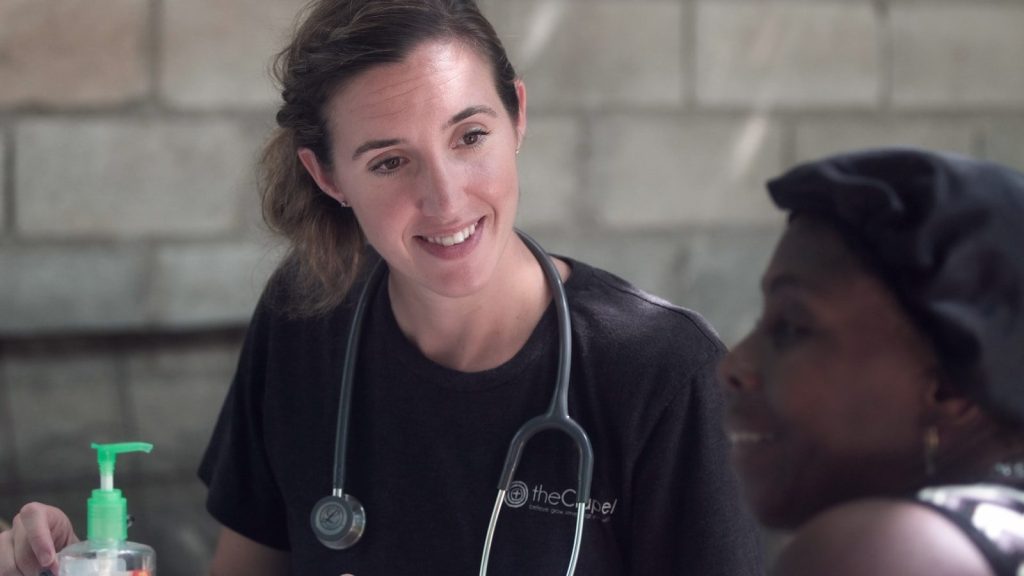
Many people walk out of medical appointments with more questions than answers. They describe their symptoms, receive a prescription, and leave without feeling fully understood. This happens more often than it should. Healthcare systems are built to move quickly, which can make patients feel like a checklist instead of a person. When care focuses only on symptoms, important details get missed—stress levels, daily habits, and emotional struggles that directly affect health. Treating the whole person takes a different approach. It looks beyond the immediate issue and asks deeper questions about how someone lives, feels, and functions. This article breaks down what that approach looks like in practice and why it leads to better, more lasting results.
Whole-person care means looking at health as a complete picture rather than separate parts. A headache might seem like a simple issue, but it could be tied to poor sleep, stress at work, or even dehydration. Instead of treating just the symptom, this approach asks why the symptom is happening in the first place. It brings together physical health, mental well-being, and daily routines into one plan. Nurses often play a key role here because they spend more time with patients and notice details others might miss. Training pathways like APRN schooling build on this by preparing nurses to assess, diagnose, and guide care with a broader perspective. This helps providers understand patterns that might not show up in a basic exam. The goal is to treat the cause, not just manage the outcome, so patients feel better long term.
Most appointments are short, and that limits how much can be discussed. Patients often try to fit everything into a few minutes, while providers work through tight schedules. This setup leaves little room for deeper conversations. Important details, like ongoing stress or changes in daily routine, often stay unspoken. These factors can directly affect health but don’t always come up unless someone asks the right questions. When visits feel rushed, patients may hold back or forget to mention key concerns. Over time, this leads to repeated visits for the same issue. Slowing down the process, even slightly, can improve care. Giving space for patients to speak openly often reveals patterns that lead to more accurate and helpful treatment plans.
Mental health plays a direct role in how the body feels and functions. Stress can lead to headaches, poor sleep, and digestive issues. Anxiety can cause chest tightness, fatigue, or a racing heart. These symptoms are real, even when the root cause is emotional. Ignoring this connection often leads to treatments that don’t fully work. When providers ask about stress levels, mood, and daily pressures, they get a clearer view of what might be happening. Addressing mental health does not always mean medication. It can involve simple steps like improving sleep habits, setting boundaries, or seeking support. When emotional health is part of the conversation, patients often see better results and fewer recurring issues over time.
Listening sounds simple, but in healthcare, it makes a major difference. Patients often give small clues about their condition when they talk freely. These details help providers connect symptoms with possible causes. When someone feels heard, they are more likely to share openly and follow treatment plans. On the other hand, rushed or distracted listening can lead to missed information and incorrect assumptions. Good listening involves asking follow-up questions and giving patients time to explain their concerns in their own words. This builds trust and improves communication. It also reduces the chances of repeat visits caused by incomplete understanding. Patients who feel respected and understood tend to stay engaged in their care and take a more active role in their health decisions.
Health does not exist in isolation. Where someone lives, works, and spends time affects their well-being every day. Poor air quality, long work hours, and limited access to fresh food can quietly affect physical health. Social factors matter just as much. A person dealing with financial stress or family pressure may struggle to follow medical advice, even when they want to. Providers who ask about daily surroundings can better understand why certain health issues persist. This context helps them suggest realistic solutions instead of generic advice. For example, recommending daily exercise looks different for someone with a desk job compared to someone working long physical shifts. Care improves when real-life conditions are part of the conversation.
Standard treatment plans often assume that patients have similar needs, but real life rarely works that way. People respond differently to medication, lifestyle advice, and follow-up care. A personalized plan takes into account a patient’s routine, preferences, and limitations. This increases the chances that they will stick to the plan. For example, a strict diet may not work for someone with limited food options or a busy schedule. Adjusting the plan to fit their situation makes it more practical. Providers who involve patients in decision-making also build stronger trust. When people feel that their input matters, they stay more engaged. This leads to better outcomes and fewer setbacks during treatment.
Patients play a key role in shaping their own care. Clear communication during appointments can make a big difference. It helps to prepare a short list of symptoms, recent changes, and concerns before visiting a provider. This keeps the conversation focused and ensures nothing important gets missed. Asking direct questions also helps, especially when something is unclear. Patients should feel comfortable discussing stress, sleep, and daily habits, even if they seem unrelated. These details often provide useful clues. Being honest about challenges, like difficulty following a treatment plan, allows providers to adjust their advice. Open communication leads to more practical care and reduces the chances of confusion after the appointment ends.
Treating the whole person leads to better care because it reflects how health actually works in real life. Physical symptoms often connect with mental health, daily habits, and personal circumstances. When providers take time to understand these factors, they can offer more useful and lasting solutions. Patients also benefit when they take an active role by sharing details and asking questions. This approach builds stronger communication and trust on both sides. Healthcare does not need to become more complicated to improve. It needs to become more attentive and practical. When care focuses on the person behind the symptoms, outcomes improve and patients feel more supported throughout their health journey.