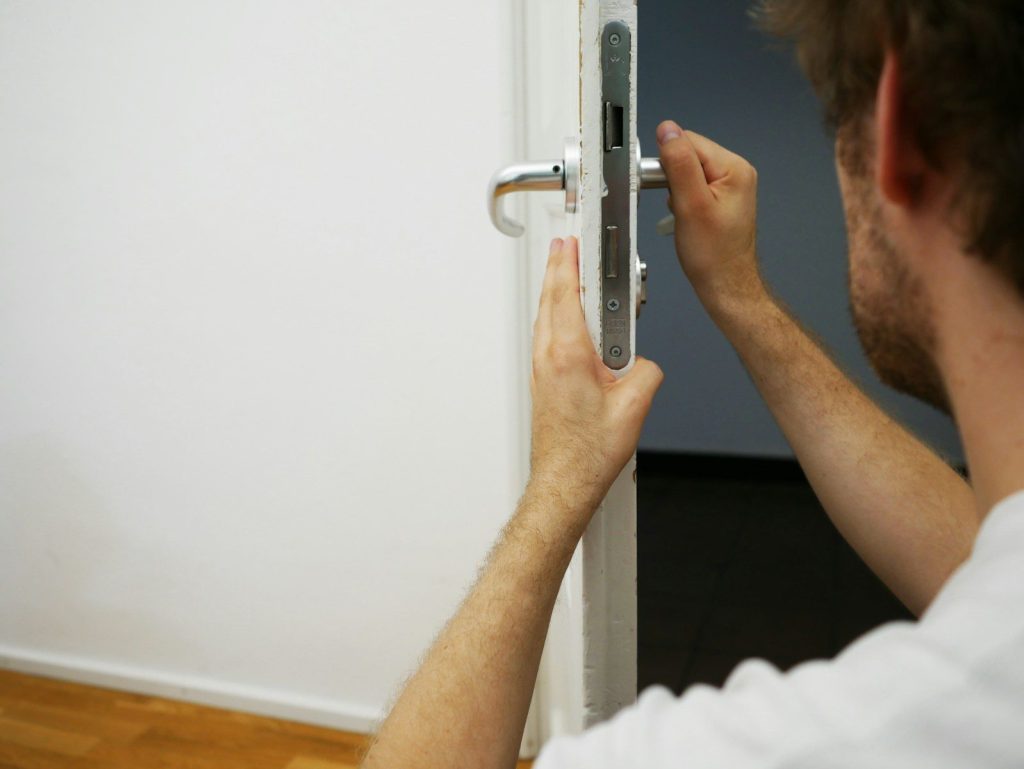
Most people encounter lock problems at some point. A key sticks, a deadbolt refuses to turn, or a door suddenly won’t open. In these moments, frustration often leads people to consider forcing the lock in hopes of resolving the issue quickly.
Unfortunately, what seems like a simple solution frequently creates larger problems. Locks are designed to resist force, and attempting to overpower them can damage both the lock and the surrounding door hardware.
When homeowners face persistent lock issues, many choose to call a local locksmith rather than risk causing unnecessary damage through trial-and-error methods.
Television and movies often portray locks as simple obstacles that can be bypassed with minimal effort.
Real-world locks are far more complicated.
Attempting to force a lock may result in:
What starts as a minor issue can quickly become a much larger expense.
Many people resort to force when they feel rushed or stressed.
Unfortunately, acting impulsively often causes additional complications that could have been avoided through a more measured approach.
Certain lock problems should be addressed by a professional immediately.
A key that suddenly becomes difficult to turn may indicate internal wear, debris buildup, or alignment issues.
When a key snaps inside the lock, improper extraction attempts can push fragments deeper into the mechanism.
Visible damage often affects internal components that may not be immediately apparent.
Modern smart locks and access systems involve technology that requires specialized knowledge and tools.
One reason homeowners attempt DIY solutions is the desire to save money.
However, professional assistance often proves more cost-effective because it prevents avoidable damage.
Locksmiths have specialized equipment designed to:
Their expertise allows them to resolve issues efficiently while preserving existing hardware whenever possible.
A lock that has been forced may continue functioning temporarily while hiding internal damage.
This can create vulnerabilities that compromise security later.
Proper repairs help ensure the lock performs reliably when it matters most.
Today’s locks are more sophisticated than many people realize.
Common technologies include:
These systems offer valuable benefits but also require specialized expertise when problems arise.
One of the most important skills in any repair situation is recognizing when professional assistance is needed.
If a lock is resisting normal operation, continuing to apply force rarely improves the situation.
Instead, stepping back and evaluating the problem often prevents additional damage.
Not every lock issue requires replacement. In many cases, a professional can repair or adjust existing hardware, restoring both functionality and security.
Many homeowners decide to call a local locksmith when lock problems persist because expert assistance often provides faster, safer, and more reliable results.
Locks play a critical role in protecting homes, businesses, and personal belongings. While it may be tempting to force a stubborn lock, doing so often creates bigger challenges than the original problem. Understanding when to seek professional help can save time, reduce expenses, and preserve the security that locks are designed to provide.