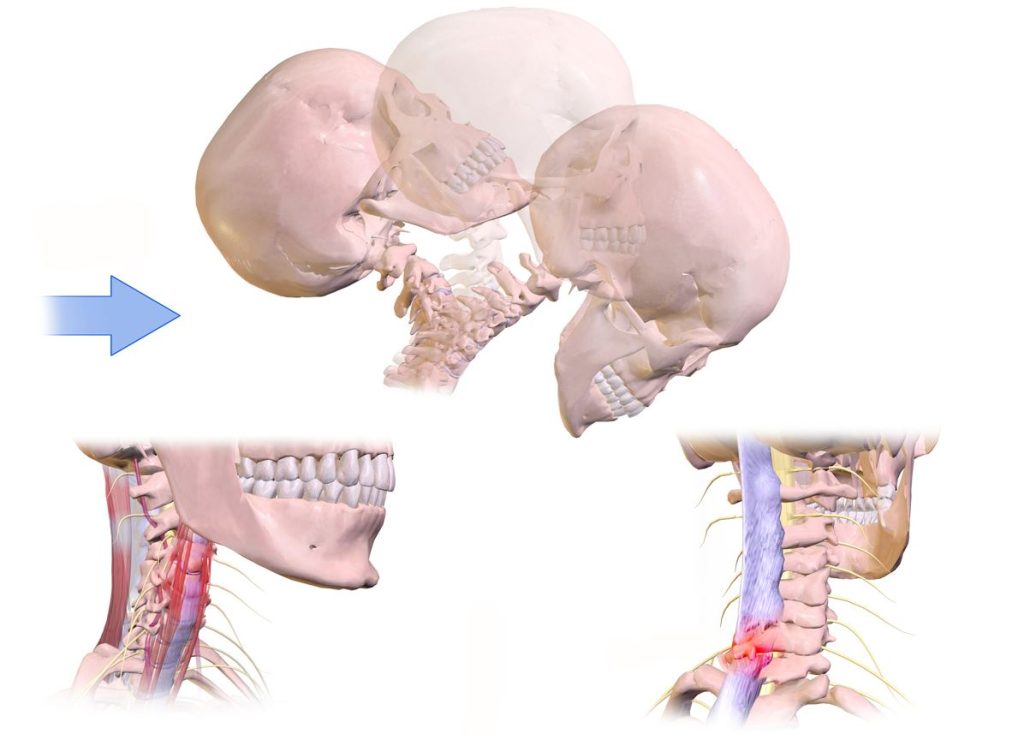
Whiplash is a neck condition that can sometimes occur after a car crash, sports injury, or fall. Treatment for the pain and dizziness associated with whiplash will vary based on the specifics of your case, but usually involve some combination of rest, hot or cold compresses, medication, and various exercises.
Whiplash can occur when your neck is suddenly bent forward or backward. The resulting damage to your neck muscles, tendons, nerves, and spinal discs may cause symptoms including:
If whiplash is severe, it may interfere with your capacity to work or engage in other normal activities. Whiplash treatment is sometimes necessary to control the pain and help you regain the ability to move your neck freely.
In the 24 hours immediately following your accident, lying down to rest your neck may help minimize your whiplash pain. You can also apply hot or cold compresses during this time to relieve any pain you are feeling.
Foam collars can be used to immobilize and rest neck muscles. There are differing opinions on how much you should immobilize your neck, however, since gentle exercises may be more effective than rest in the days following the injury.
Stretching and moving your neck and shoulders gently can help relieve whiplash pain and encourage healing. Talk to your doctor to find out what movements will be the most helpful for your particular injury. Recommended exercises may include:
If your whiplash symptoms persist, your doctor might refer you to a physical therapist (PT) who can help you restore normal range of motion and strengthen your neck muscles through additional exercises.
Depending on the extent and duration of your symptoms, your doctor may recommend one or more of the following types of medications to treat your whiplash:
Although there is not a lot of research into how well alternative treatment options work to ease whiplash symptoms, some people may find relief through the use of:
If you have an accident that could potentially result in whiplash, it is important to make an appointment to see a doctor as soon as possible. If your injuries were caused by another party’s negligence and you later decide to sue for damages, medical records can be used to link your whiplash to the accident.
You may also want to consult with an experienced whiplash lawyer to find out what else you can do to preserve your rights after an accident. He or she can help you explore your options for financial compensation.