This discussion centers around the way we treat bees. Do bees feel pain, get agitated, and suffer as humans do, and most of all, are bees truly sentient beings deserving more empathy from humans? Those who love bees and harvest bees’ honey, pollen, and beeswax should answer the question: is beekeeping ethical? This article shows you why we ought to be more invested in the welfare of bees and be especially concerned about their natural surroundings.
Ethical beekeeping is about shifting the focus away from honey and bee products to protecting the bee and preserving its natural habitat.
Ethical beekeeping encompasses all the strategies that effectively minimize the carbon footprint that may be left behind in the apiary.
Ethical beekeeping calls for agriculturists, conservationists, and businesses to stop profiting from bees at any cost. Honey, honeycombs, and beeswax are lucrative markets; humans should not optimize revenues at the bees’ expense.
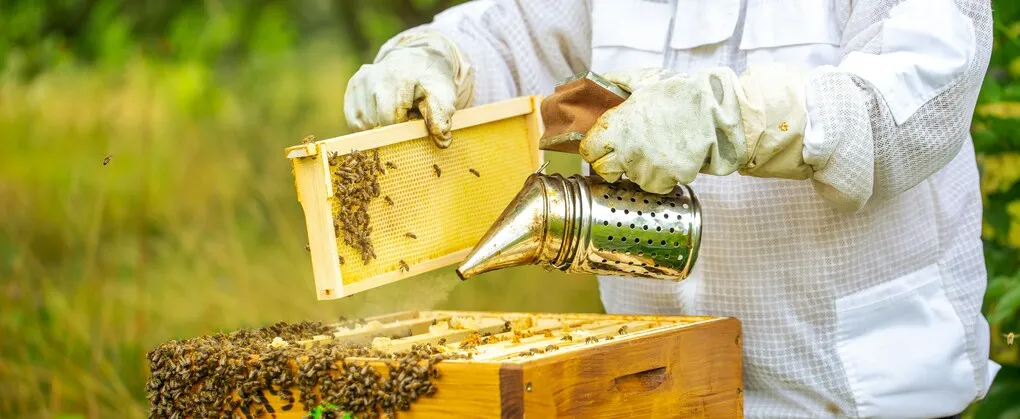
Ethical beekeeping involves providing bees with a healthy environment, proper hive management, and minimizing unnecessary stress on the colony, which is why many beekeepers rely on quality honey bee supplies for sale from trusted providers such as Lappe’s Bee Supply.
One of the rarest and most medically valued varieties of honey called mad honey is highly regarded because it is a product that follows naturally growing beekeeping practices which do not harm bees and do not destroy their ecosystem.
In the cooler months, in some places, temperatures dip below 50 degrees Fahrenheit; the bee does not move out of the cozy confines of the hive and stores maximum honey to compensate for needs in the lean phase of honey making.
So, ethical concerns beekeeping rule one is to avoid honey gathering during fall and colder, more severe winter months when bees’ honey needs are maximum, and any significant reduction in honey stocks in this period seriously jeopardizes the whole hive, placing bees at risk for starvation.
Most bees work hard making combs, and many more die. Removing the comb at frequent intervals places the bee community under maximum stress.
Ethical beekeeping rule two says to extract honey but minimize damage to the honeycomb. Leave a good portion of the comb undamaged to the extent possible so the bees don’t have to rebuild the hive from scratch every time you’ve harvested their produce.
Gathering honeycombs intermittently or infrequently would be the most ethical thing a beekeeper can do.
Ethical beekeeping rule three says don’t build a hive that’s too big for the bee colony to handle. You mustn’t force bees to work themselves to death to satisfy your greed to maximize honey production and profits.
Ethical beekeeping rule four is not transporting bees to unknown territory to pollinate unfamiliar crops that might confuse and disorient bees. Most bees may not make it back to their hives alive.
Migratory beekeeping bodes ill for a beehive’s health and longevity and is an experiment that is best abandoned. Say no to transporting bees to strange places to forage, feed and pollinate, where bees face the trauma of surviving.
Increasingly, beekeepers are opting for artificial insemination, a method that selectively harvests semen from specialized drone bees, which is then used to inseminate larger groups of queens.
Ethical beekeeping rule five is to avoid artificially inseminating bees, which weakens bees, making them lose their inner vitality and productivity.
The most favored option should be to eschew all practices that interfere with a bee’s natural breeding processes, preserving the bee’s natural vitality and strength over successive generations.
The crux of ethical beekeeping is not to disturb how honey bees behave and to change how we think and generate awareness within ourselves of the burden bees carry. Bees can significantly safeguard and sustain their ecosystem, which plants and humans depend upon.
Beekeepers, businesses, nature conservationists and governmental departments must cautiously check their footprint, develop empathy for bees and allow these beautiful pollinators the space and freedom they crave.
We have shown you where humans must draw the line and what constitutes acceptable behavior, whether you nurture bees for personal joy or grow them commercially.
Ethical beekeepers’ collective wisdom and awareness help the bees live and thrive for a good reason – human survival depends on the food on store shelves, which depends on bee pollination.