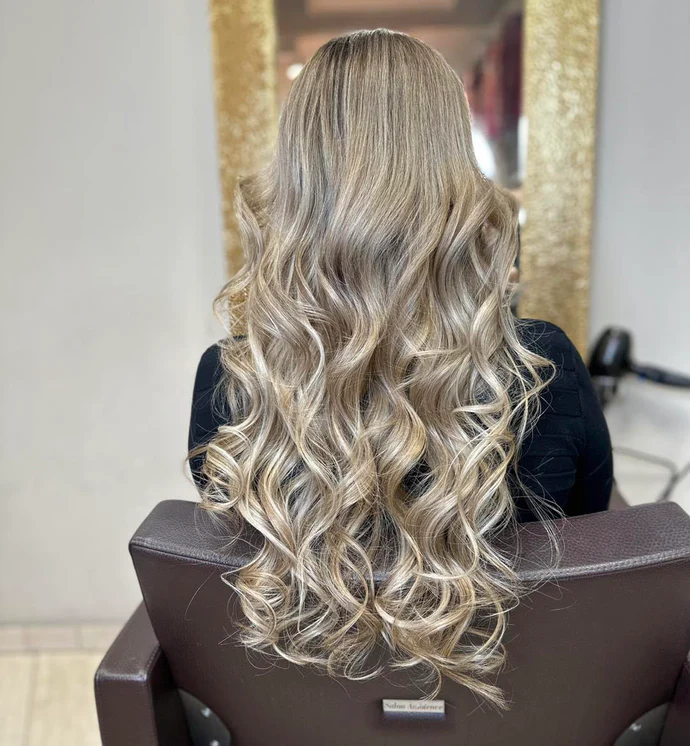
There is something transformative about a great hair day. It changes how you carry yourself, how you interact with the world, and how you feel when you catch your reflection in a shop window. For many of us, achieving that perfect level of thickness, length, or bounce through natural growth alone feels like an uphill battle. Whether it’s due to genetics, heat damage, or just that awkward “growing out” phase, sometimes our natural strands need a little backup.
Human hair extensions have evolved from being a red-carpet secret to an everyday confidence booster. Unlike the synthetic options of the past—which often looked plastic and tangled at the sight of a hairbrush—modern, high-quality extensions blend seamlessly with your own hair. They move when you move, can be styled with heat, and, most importantly, look entirely natural.
If you are looking for longevity and a natural finish, 100% human hair is the only way to go. Synthetic fibers have come a long way, but they still struggle to mimic the multi-tonal depth and texture of real hair. Human hair extensions allow you to use your favorite curling irons, straighteners, and blow-dryers without the risk of melting the fibers.
Furthermore, real hair interacts with light the same way your own hair does. It has a natural cuticle layer that prevents excessive tangling and provides that healthy, glossy sheen we all crave. While the initial investment is higher, the cost-per-wear is much lower because human hair stays looking fresh for months rather than weeks.
One of the biggest hurdles for anyone new to the world of hair enhancement is choosing the right application method. Every hair type and lifestyle requires a different approach. If you’re someone who hits the gym daily and wears high ponytails, your needs will differ from someone looking for a temporary volume boost for a weekend wedding.
For those seeking a semi-permanent solution that is virtually undetectable, many stylists recommend tape in hair extensions. This method has exploded in popularity because the “sandwiched” wefts lie completely flat against the scalp. They are incredibly lightweight, meaning they won’t pull on your natural roots, making them a fantastic choice even for those with finer hair textures. Because the attachment point is wide and thin, you can run your hands through your hair without feeling bulky beads or clips.
Beyond tapes, there are several other ways to level up your look. Understanding the pros and cons of each will help you communicate better with your stylist.
These are the ultimate “commitment-free” option. You can pop them in for a night out and take them out before bed. They are great for adding instant drama, but they aren’t meant for long-term wear as the clips can be heavy if worn every single day.
This is an older, tried-and-true method where small clusters of hair are fused to your natural strands using a keratin protein tool. They offer 360-degree movement, which is great for intricate updos, but the application process is lengthy—often taking several hours in the chair.
Traditionally, this involves braiding the natural hair into “cornrows” and sewing the hair weft onto the braids. It’s a very secure method but is generally better suited for those with thicker, coarser hair that can withstand the tension of the braids.
These involve looping small sections of hair through a tiny metal ring. There’s no glue or heat involved, which appeals to many people concerned about chemical damage. However, the beads can occasionally be felt when leaning your head back or sleeping if they aren’t positioned perfectly.
Nothing ruins the illusion of extensions faster than a poor color match. Your hair isn’t just one solid color; it’s a mix of highlights, lowlights, and shadows. Professional-grade human hair extensions are usually designed with multi-tonal technology to ensure they blend with various shades.
When choosing your color, always match to the ends of your hair, not the roots. Since the extensions will sit beneath your natural hair and peek through toward the bottom, the mid-lengths and ends are the most critical areas to align. If you are between shades, it is usually better to go slightly lighter, as a professional stylist can always add a toner or a root smudge to the extensions to make them a perfect fit.
Once you’ve invested in high-quality hair, you’ll want to make it last as long as possible. Looking after extensions isn’t necessarily difficult, but it does require a few changes to your routine.
1. Sulfate-Free is Non-Negotiable
Sulfates are detergents that strip moisture. Since extensions aren’t attached to your scalp, they don’t receive the natural oils (sebum) that your own hair does. To keep them from becoming brittle, always use sulfate-free shampoos and moisture-rich conditioners.
2. Brushing Technique
Never rip a brush through your hair from top to bottom. Hold your hair in a ponytail grip to steady the roots and start detangling from the ends, gradually working your way up. Using a specialized extension brush with looped bristles or soft boar bristles will prevent the brush from catching on the attachment points.
3. The Sleep Rule
Never go to sleep with wet hair. This is the fastest way to cause matting at the roots, which can be a nightmare to detangle. Instead, ensure your hair is 100% dry and tie it in a loose silk braid or low ponytail before hitting the pillow. Using a silk or satin pillowcase also reduces friction, keeping the hair smooth overnight.
There is a common myth that extensions are inherently damaging. In reality, damage usually comes from poor application or neglectful aftercare. When installed correctly by a professional, extensions can actually act as a protective barrier.
Many people find that they style their natural hair less frequently because the extensions hold a curl for days. Less heat on your natural strands means less breakage over time. Additionally, for those trying to break a habit of over-processing their hair with bleach, extensions can provide the “pop” of color or “balayage” look without a single drop of chemical dye touching your actual scalp.
It is tempting to go for the longest hair available, but balance is key. If you have a blunt bob, jumping straight to 24-inch extensions might look disconnected unless you add a significant amount of weight (grams) to fill out the transition.
For a natural look, aim for a length that is no more than double your natural hair length. If you are just looking for volume, choosing extensions that match your current length will give you that “Victoria’s Secret” thickness that makes every hairstyle look more polished.
While DIY culture is huge, semi-permanent extensions are an art form. A professional stylist understands “tension points” and knows exactly where to place the hair so it remains hidden when you move or when the wind blows. They also perform the crucial “blending cut.” This involves slide-cutting the extensions so they integrate with your natural layers, removing that tell-tale line where your real hair ends and the extensions begin.
The first few days might feel a little different. You’ll notice the extra weight, and your scalp might feel slightly sensitive as it adjusts to the new additions. This is completely normal and usually subsides within 48 to 72 hours.
You’ll also find that you don’t need to wash your hair as often. Extensions absorb some of the oils from your natural hair, and since they hold styles so well, a bit of dry shampoo is often all you need to keep things looking fresh for days on end.
One of the biggest worries is whether people will be able to tell you’re wearing them. With modern technology and high-quality human hair, the answer is a resounding no—provided the placement is correct. The hair should move naturally. When you walk, it should swing. When you tie it up, the attachment points should remain tucked away.
Another concern is the cost. While the upfront price of premium human hair can be significant, remember that high-quality hair can often be “re-installed.” For methods like tapes or rings, the hair is removed after 6-8 weeks, cleaned, and moved back up toward the scalp. This means you aren’t buying new hair every time you visit the salon.
Investing in human hair extensions is about more than just vanity. It’s about the ease of getting ready in the morning, the ability to pull off the styles you’ve always pinned on Pinterest, and the boost of confidence that comes with feeling your best.
Whether you want a dramatic transformation or just a subtle bit of extra thickness, there is a method out there that fits your routine. By choosing high-quality hair and committing to a simple maintenance schedule, you can enjoy long, lush, and healthy-looking hair that feels entirely like your own. Take the time to research, talk to a professional, and get ready to enjoy the hair you’ve always wanted.