Modern healthcare runs on coordination, precision, and teamwork. Physicians and nurses may lead clinical decisions, yet the strength of the system depends heavily on skilled support professionals working behind the scenes. Their presence protects patient safety, improves operational flow, and strengthens communication across departments. Healthcare environments have grown more complex due to advanced technologies, rising patient volumes, and stricter compliance standards. Skilled support roles help manage this complexity with structure and reliability.
Patients expect timely care, accurate diagnoses, and compassionate service. Hospitals and clinics must balance clinical excellence with administrative efficiency. Support professionals contribute to both sides of this equation. Their training allows them to prepare equipment correctly, manage records accurately, assist during procedures, and coordinate logistics without disrupting clinical focus.
Patient safety stands at the center of healthcare delivery. Skilled support professionals contribute directly to safe practices through careful preparation, consistent documentation, and strict adherence to protocols. Accurate labeling of specimens, proper sterilization of instruments, and organized patient records reduce the likelihood of mistakes that could compromise care.
Clear communication strengthens these safety measures. Support staff ensures that critical information reaches the right provider at the right time. They verify patient identities, confirm procedure details, and maintain updated records that reflect current treatment plans. This level of attention creates stability in fast-paced environments. Clinical accuracy depends on reliable processes. Well-trained support professionals understand the importance of following established guidelines.
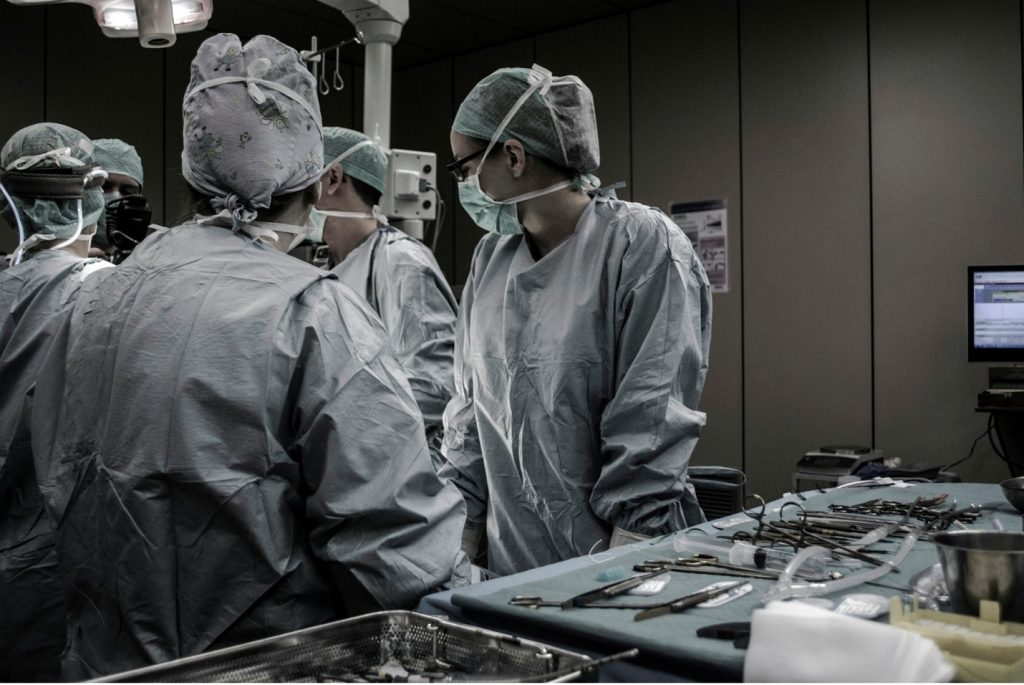
Surgical environments demand discipline, timing, and technical precision. Every member of the operating room plays a specific role that contributes to successful outcomes. Skilled surgical support professionals prepare sterile fields, organize instruments, and anticipate the needs of surgeons throughout procedures. Their preparation reduces delays and supports smooth transitions during complex operations.
Formal training strengthens this capability. Enrolling in a surgery technology program allows healthcare professionals to gain hands-on training in preparing operating rooms, sterilizing instruments, and assisting surgeons during procedures while ensuring strict patient safety. Structured education provides a clear understanding of anatomy, surgical procedures, and infection control standards.
Healthcare facilities manage an immense volume of activity each day. Appointments must be scheduled, diagnostic tests processed, equipment maintained, and records updated. Skilled support professionals organize these moving parts with attention to timing and accuracy.
Efficient workflows prevent unnecessary delays. When records are properly managed and materials are prepared in advance, clinicians can focus entirely on diagnosis and treatment. Reduced administrative strain improves productivity without compromising quality. Coordination between departments also benefits from structured support. Laboratory services, imaging units, and outpatient clinics rely on timely information exchange.
Effective healthcare depends on seamless communication. Skilled support professionals often serve as the link connecting physicians, nurses, specialists, and patients. They relay updates, clarify instructions, and ensure that documentation reflects current plans of care.
Care coordination becomes especially important during transitions. Admissions, referrals, and discharge planning require accurate information transfer. Support staff helps confirm that follow-up appointments are scheduled and that patients understand their next steps. Clear guidance reduces confusion and supports adherence to treatment plans. Strong communication builds trust within the healthcare team. Providers rely on accurate information to make informed decisions.
Healthcare technology continues to evolve at a rapid pace. Electronic health records, imaging systems, and patient monitoring tools require careful management. Skilled support professionals play an essential role in maintaining these systems and ensuring accurate data entry.
Proper use of technology enhances efficiency and reduces errors. Support staff helps troubleshoot minor issues, maintain equipment readiness, and guide team members in following established procedures. Reliable system management prevents disruptions that could delay care. Accurate documentation within digital platforms supports long-term patient tracking and regulatory compliance. When technology functions smoothly, providers gain timely access to critical information.
Healthcare environments often feel overwhelming, especially for patients facing uncertainty or complex diagnoses. Skilled support professionals help create a calmer, more reassuring atmosphere. Their presence offers patients a point of contact who can clarify instructions, explain next steps, and address immediate concerns.
Consistent interaction builds familiarity and trust. Patients are more likely to feel comfortable asking questions when communication feels approachable and respectful. Support staff often spend additional time guiding individuals through paperwork, appointment details, or preparation instructions. This attention helps patients feel informed rather than rushed.
Healthcare organizations operate within strict regulatory frameworks designed to protect patient safety and privacy. Compliance requires careful documentation, adherence to safety protocols, and consistent monitoring of procedures. Skilled support professionals play an important role in maintaining these standards.
Accurate record keeping ensures that patient information remains complete and secure. Support staff verifies that required forms are signed, documentation is updated, and procedures follow established guidelines. Their diligence reduces the risk of errors that could lead to legal or financial consequences.
Healthcare systems continue to face workforce challenges, including burnout and staff shortages. Skilled support professionals help distribute responsibilities in a balanced manner, allowing clinical providers to focus on specialized tasks. Clear role definitions reduce unnecessary overlap and improve efficiency.
Stable teams perform more effectively over time. Support staff who understand workflows and departmental expectations contribute to smoother daily operations. Their consistency fosters collaboration and strengthens team morale. Workforce sustainability relies on mutual respect among all roles. Recognition of support professionals as essential contributors encourages retention and long-term commitment. Healthcare organizations that invest in these roles create stronger, more resilient teams capable of delivering dependable patient care.
Skilled support roles shape the structure and stability of modern healthcare. Their contributions extend across safety, efficiency, communication, compliance, and patient experience. Healthcare systems depend on trained professionals who manage essential responsibilities with precision and consistency.
Strong support networks allow physicians and nurses to concentrate on clinical decision-making while maintaining organized, patient-centered operations. Investment in skilled training and professional development strengthens both outcomes and institutional resilience. Modern healthcare achieves its highest potential when every role operates with expertise, coordination, and shared purpose.