Not too long ago, getting a drug test meant a clinic, a waiting room, and a few awkward days of wondering (and anxiety). Now you can get the same answer in your bathroom, in about five minutes, with no one else involved.
Maybe you’re tracking a detox. Maybe there’s a pre-employment screening on the horizon. Or maybe you just want to know where you stand. Whatever the reason, an at-home urine test will tell you, as long as you use it right, of course.
The test itself is simple. However, people still manage to mess it up, usually in one of three places: the testing procedure, reading the result, or panicking over a result that needs a second look. Let’s go through all three.
Let’s get one thing out of the way before we get to the practical stuff.
Home urine tests come as strips, dip-cards, or all-in-one cups, but they all work on the same principle. The test reacts with drug metabolites in your urine and checks their concentration against a cutoff level, measured in ng/mL. Above the cutoff – positive. Below it – negative.
That’s it. The test can’t tell you exactly how much of anything is in your system, only which side of the line you’re on. So, it is of a qualitative nature only. Keep this in mind, because it explains most of the “weird results” people argue about online.
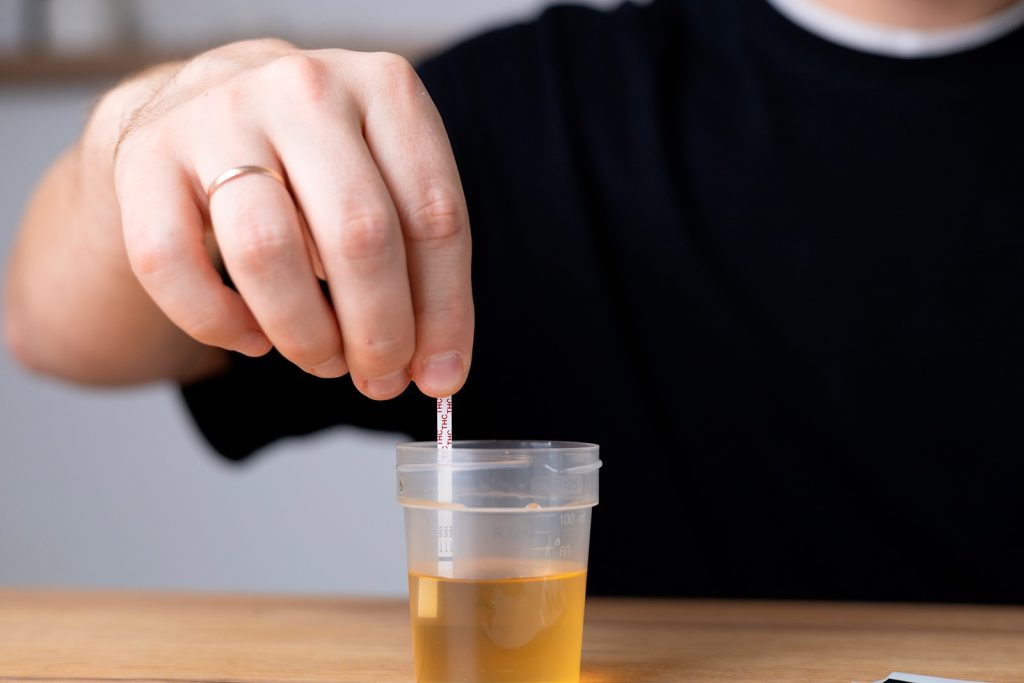
Yes, even if you’ve tested before. Every brand has its own dip time and read window, and a strip dipped for 3 seconds instead of 10 (or dipped past the maximum line) can come out invalid. The instructions take thirty seconds to read. A retest takes a strip and your nerves.
While you sleep, your kidneys concentrate everything – drug metabolites included. That makes the first bathroom trip of the day your most honest (and most accurate) sample. Testing in the afternoon, after a workout and three glasses of water? That’s how people convince themselves they’re clean, but a week before the official test says otherwise.
This one gets overlooked all the time, and it’s the easiest to fix:
Most tests are read at around the 5-minute mark. After 10 minutes, evaporation starts creating ghost lines that mean absolutely nothing.
So set a timer, read the result, snap a photo if you want a record, and throw the strip away. A result “read” the next morning is not a valid result.
One more thing. If THC metabolites is what you’re screening for, use an at-home urine THC test with the standard 50 ng/mL cutoff. It’s the same threshold used in most official screenings. That way, your result at home translates directly to the real thing, showing you the real side of things before it matters.
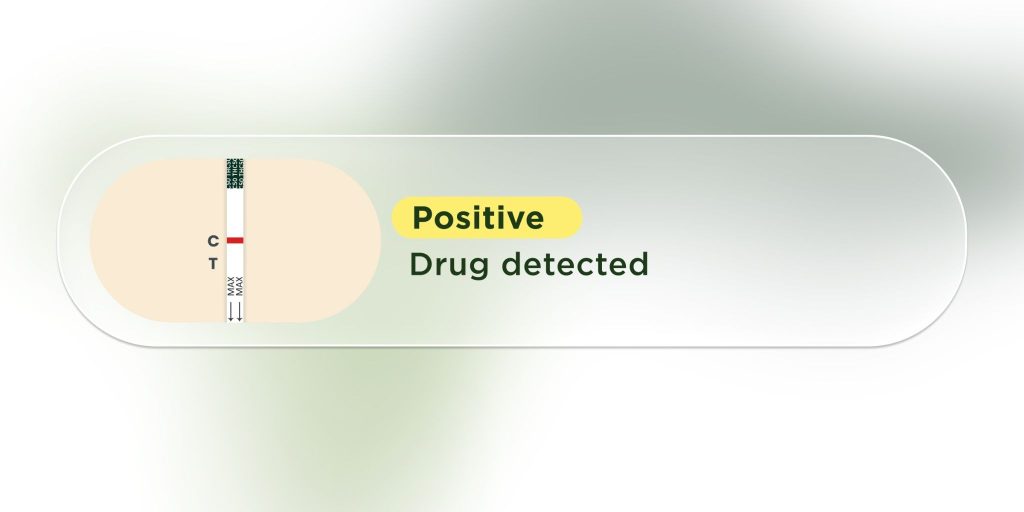
Every test window has two markers: the C (control) line and the T (test) line. And here’s where intuition betrays people, because the logic is flipped:
Why is the C line so important?
Because it confirms the test itself worked. No control line means a faulty strip or a botched procedure, and the result is invalid. Toss it, grab a new one, start over.
A non-existent C-line may appear for a couple of reasons, but mostly it’s due to a passed expiration date, or in some cases, a damaged strip or dip-card. So, before you start with everything, make sure to double-check the expiration data and the state of the test packaging.
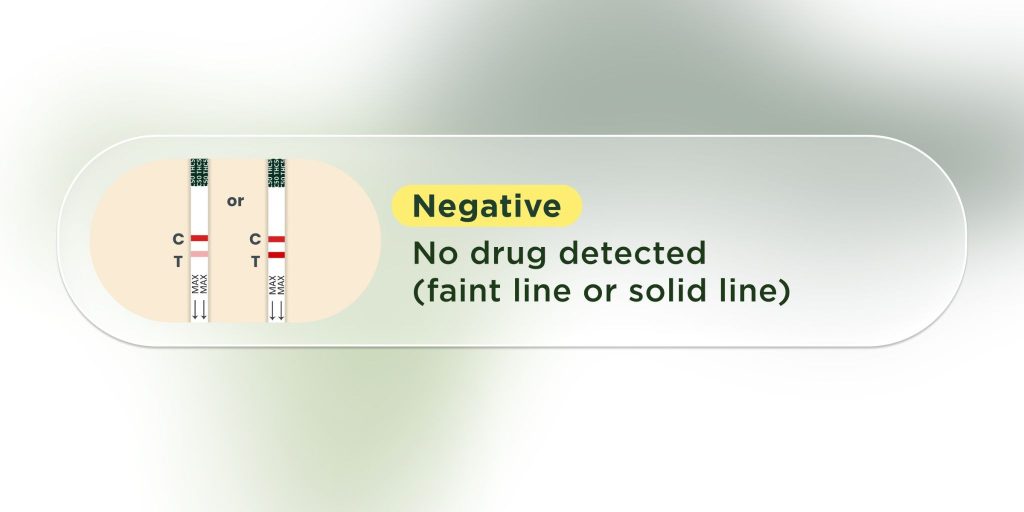
A faint T line has probably caused more unnecessary panic than any other part of home testing. People hold it under different lighting, send photos to friends, and post it on Reddit. “Faint” must mean “almost positive,” right?
Wrong. A T line of any intensity is a negative result. Faint, bold, somewhere in between – it counts.
The line naturally fades as your metabolite levels approach the cutoff, which is exactly why faint lines tend to show up near the end of a detox. You’re close to the threshold, but still under it. Want extra confidence? Retest the next day with the first morning urine and see if the line holds.
Home screening tests are immunoassays, and immunoassays sometimes cross-react with things that have nothing to do with drug use. Here are the usual suspects:
Got a positive that makes no sense? Don’t spiral.
Write down every medication, supplement, and unusual food from the past few days, then retest with a fresh sample. And remember – official screenings always allow for a confirmatory lab test (GC-MS), which separates real positives from cross-reactions with absolute precision.
The process is simple.
Follow the instructions. Use the first morning urine. Keep the sample clean, read on time, and treat faint lines and surprise positives with logic instead of panic.
The whole point of testing at home is knowing where you stand before anyone else does. Whether you need a THC strip, an opiate screen, or a full multi-drug panel, there are all sorts of at-home urine tests to match your situation – so you can walk into any official test with zero guesswork.