For many people, getting somewhere automatically means reaching for the car keys. A short trip to the store, a commute across town, or a quick visit to a friend can easily become another drive.
Cars make these trips convenient, but they also come with parking, fuel, traffic, and the simple inconvenience of moving a full-size vehicle when the destination may only be a few miles away.
This is where a folding ebike can offer another option.
It doesn’t have to replace a car completely to be useful. Instead, it can take over some of the everyday trips where driving feels like more transportation than the journey actually requires.
Cars are designed to handle a wide range of transportation needs. They can travel hundreds of miles, carry several passengers, haul groceries, and provide protection from bad weather.
The problem is that many everyday trips ask for much less.
Someone commuting a few miles to work may only need to carry a backpack. A grocery run might involve a small bag rather than a trunk full of food. Meeting a friend for coffee requires transportation, but rarely the full capability of a car.
For these trips, an ebike provides a simpler way to get around while still offering motor assistance when the distance, hills, or effort would make a traditional bicycle less appealing.
The goal isn’t necessarily to stop driving. It is to have another practical choice before every trip becomes a car trip by default.
One reason many people hesitate to use a bicycle for transportation is effort.
Arriving at work tired or sweaty isn’t ideal. Hills can make a short commute feel much longer, and carrying groceries adds resistance that recreational cycling doesn’t always involve.
Electric bikes reduce some of those barriers.
The motor supports the rider while they pedal, making it easier to maintain a comfortable pace and handle changes in elevation. Riders can still get the simplicity of traveling by bicycle without having to approach every journey like a workout.
This is an important difference between an ebike and a conventional bicycle when the goal is replacing some car trips. Transportation needs to feel repeatable. If a bike only feels practical on perfect days or easy routes, people are more likely to return to driving.
A standard bicycle takes up space even when it isn’t being ridden.
That can be inconvenient for apartment residents, people with limited garage space, or anyone who wants to combine cycling with other forms of transportation.
A folding ebike approaches the problem differently.
The frame can collapse into a smaller footprint for storage or transportation. Instead of requiring a dedicated bike rack or large storage area, some folding models can fit into spaces that would be difficult for a full-size bike.
That flexibility can also support mixed transportation. A rider might drive part of a longer journey, carry the folded bike in a suitable vehicle, and use the ebike for shorter trips after arriving.
The ability to fold doesn’t change how every trip works, but it removes one of the practical obstacles that can prevent a bicycle from becoming part of everyday transportation.
A folding frame alone doesn’t automatically make an ebike a useful car alternative.
For regular transportation, range, comfort, carrying capacity, and braking all matter. The bike needs to handle repeated trips rather than simply fold into a compact package.
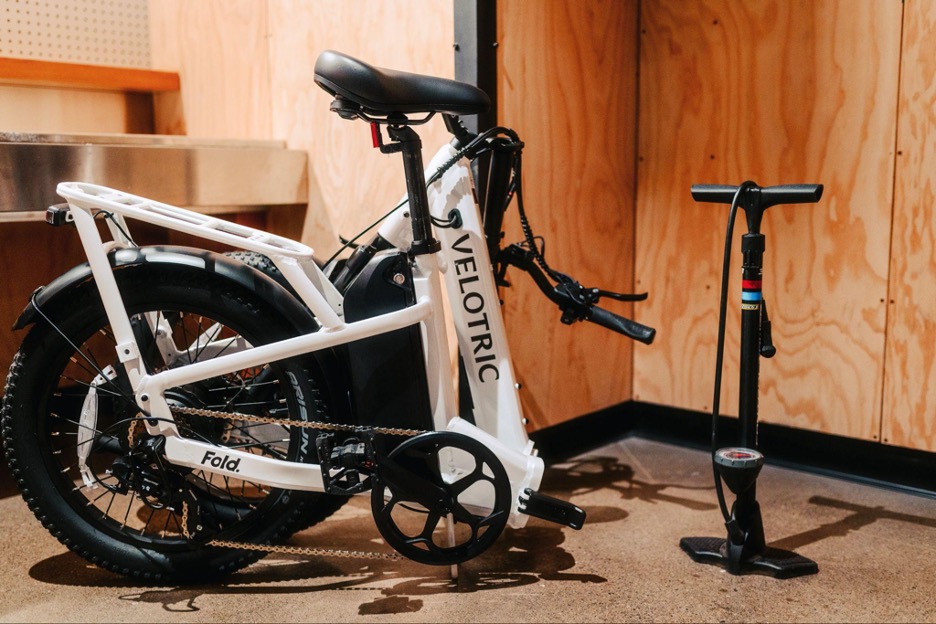
The Velotric Fold 1 Plus is one example of how newer folding ebikes are being designed around broader everyday use. It combines a 750W motor with 75Nm of torque and offers a claimed pedal-assist range of up to 68 miles.
Its 20 × 3.0-inch tires and 60mm front suspension help make imperfect streets more comfortable, while an integrated rear rack provides space for compatible bags or cargo accessories.
When storage is limited, the bike folds to approximately 37.8 × 19.7 × 33.5 inches. That compact form is one of the reasons a folding ebike can work differently from a conventional commuter ebike.
Instead of being useful only during the ride, it is designed to be easier to manage before and after the trip as well.
Replacing a short car trip becomes harder if everything has to stay on the rider’s back.
A rear rack changes what an ebike can reasonably handle. With appropriate bags or accessories, groceries, work essentials, a change of clothes, or other everyday items can travel on the bike rather than on the rider.
This may sound like a small detail, but practical transportation depends on small details.
People rarely drive somewhere with absolutely nothing to carry. A bike that works well for recreation but becomes awkward as soon as a bag is involved is less likely to replace routine driving.
The Fold 1 Plus includes an integrated rear rack rated for up to 120 pounds, while the bike has a maximum total load capacity of 450 pounds.
That doesn’t turn a folding ebike into a car, but it gives riders considerably more flexibility for the types of everyday trips where a car might otherwise be the automatic choice.
Not every journey is a good ebike journey.
Long highway trips, transporting several people, moving large items, and traveling through severe weather are obvious situations where a car remains more practical.
A folding ebike makes more sense when the transportation problem is smaller.
Think about the trips that happen repeatedly and stay relatively close to home: commuting, running an errand, picking up a few groceries, visiting somewhere nearby, or traveling the last part of a longer journey.
These are situations where electric assistance can make cycling easier without requiring the space and resources of a car.
The best way to think about the change isn’t “car or ebike.” It is deciding which vehicle actually fits the trip.
Transportation habits rarely change all at once.
Someone who drives seven days a week doesn’t necessarily need to sell their car and start cycling everywhere. Replacing even a few suitable trips can change how often the car is used.
Start with the easiest journey.
It might be a short commute on a pleasant day. Later, it could be a weekend coffee run or a nearby grocery trip. As riding becomes more familiar, other journeys may begin to feel practical without a car.
A folding ebike makes this transition easier because it doesn’t demand an all-or-nothing commitment. It can sit alongside a car and simply become the better tool when the trip is short enough, the route is appropriate, and there isn’t much reason to drive.
The conversation around alternative transportation can sometimes become unnecessarily absolute.
Driving less doesn’t require giving up driving.
A car remains extremely useful when distance, passengers, weather, or cargo demand it. An ebike simply creates another option for the many smaller trips between those situations.
Folding models add another layer of flexibility because storage and transportation become easier to manage. Bikes such as the Velotric Fold 1 Plus combine that compact format with the range, motor assistance, comfort, and carrying capability needed for regular everyday riding.
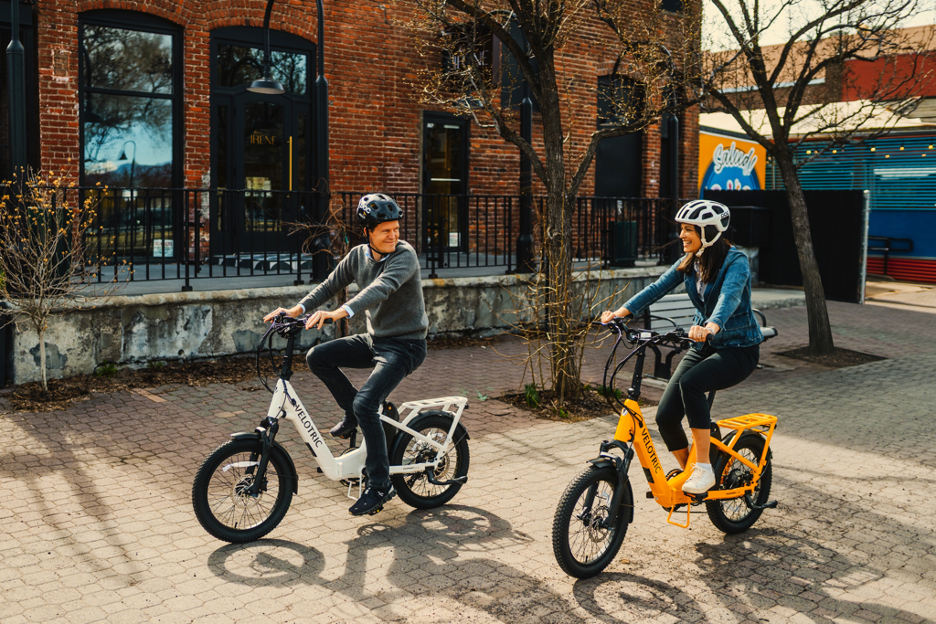
For some people, that may mean commuting without starting the car. For others, it might mean handling weekend errands on two wheels or keeping a folding ebike available for shorter journeys.
The important change is having a choice.
Once every trip no longer automatically begins with the car keys, everyday transportation can become a little simpler.