A serious crash doesn’t just damage the body…
It rewires the brain. For weeks, months and even years after a serious crash, victims suffer panic attacks, nightmares and a paralyzing fear of getting back behind the wheel.
And here’s the kicker:
Generally, the more forceful the impact, the more severe the resulting trauma. Many who survive accidents with 80,000-pound semi-trucks report that the emotional damage was worse than the physical. With just a basic knowledge of these trends you can:
Here is what every survivor needs to know…
The average joe believes the cast coming off a wreck is when the bad news ends.
It rarely works that way.
Studies indicate that nearly 50% of all car accident victims suffer from PTSD, and auto accidents have become the number one cause of post-traumatic stress disorder in the general population. Emotional recovery can be worse than physical recovery.
The symptoms tend to show up like this:
If your accident was 6 months ago and you still freeze when you see brake lights… that’s not weakness. That’s trauma talking.
Not every accident leaves the same scar.
A 25 mph fender bender isn’t the same thing as getting hit head-on by a semi-truck. Science agrees. More than half of people initially diagnosed with PTSD following a traffic collision have continued symptoms as long as three years later.
Truck crashes are particularly brutal for a few reasons:
Dealing with a semi-truck wreck can be a challenge if you’ve been in one. Having a seasoned Houston truck accident law firm can make all the difference. An effective truck accident attorney does more than pursue your just compensation. They fight the trucking company, insurance adjusters, and paperwork for you, while you concentrate on recovery.
Note: The FMCSA says that approximately 5,375 large trucks were involved in fatal crashes in one recent year. The magnitude of that number is part of why the pain cuts so deep.
Here’s a term you might not have heard before…
Amaxophobia.
It’s the medical term for the fear of being in a car – as a driver or passenger. And it’s extremely common after a major crash.
Think about it:
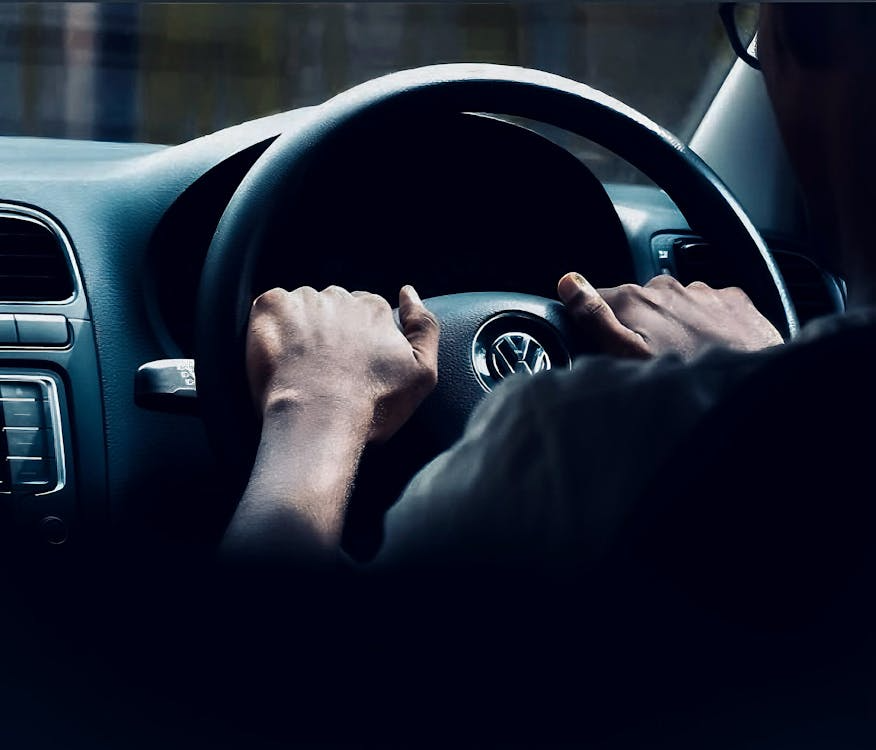
If your brain just used 4 seconds to process a near-death experience in a car, it does not want to get back in. Heart rate increases. Hands sweat. Breathing becomes shallow.
The issue is that driving is a part of regular life. Therefore when avoidance starts, regular life begins to contract:
One study reported 77% of crash survivors were phobic of driving after their accident. Majority.
Driving phobia is real. It’s medical. It deserves treatment.
Now to the good news.
People get better. Not everyone, not always fast, but there is recovery. The best conceptualization is exposure-based therapy which has been researched for decades with solid evidence.
Here’s the deal: A trained therapist gently, gradually, and safely re-conditions your nervous system to driving in a way that creates confidence, not fear.
A typical recovery path looks like this:
Don’t rush it. Skipping steps can set you back weeks.
Other things that genuinely help:
(Recovery is built one win at a time.)
This is the part nobody talks about…
Mental health injuries are compensable in most personal injury cases. That means the anxiety, the phobia, the therapy bills, the lost income – all of it can be part of your claim.
But there’s a catch.
You need to document everything:
Insurance companies like to settle quickly before the full mental toll has been assessed. Don’t let them. Trauma symptoms can take months to manifest. Once you sign a release, it’s binding.
A skilled lawyer will:
The shadow of a serious road accident is long…
But it doesn’t have to be permanent. Healing is possible when you take both sides of the healing process seriously – the body and the mind. Quick recap:
If you are in that loop right now – panic, avoidance, sleepless nights – you are not broken. You are a survivor reacting in a very human way to something traumatic.
Seek help. Speak to a counselor. And if a negligent trucking company put you here, speak to an attorney who knows how to fight for the full scope of what was stolen from you.
The road back is real. One step at a time.