Muscle soreness and tension are common challenges for anyone leading a dynamic lifestyle, such as an athlete. Recovering from extreme workouts or handling chronic muscle pain requires more than rest alone.
Targeted massage techniques focus on specific muscle groups to relieve discomfort, increase circulation, and speed up the body’s natural recovery processes. By pinpointing areas of strain, these methods can also enhance flexibility, reduce inflammation, and prevent future injuries. Beyond physical advantages, targeted massage stimulates relaxation and overall well-being.
In this article, we’ll delve into these specialized massage approaches and how they can aid in muscle recovery and effective pain relief.
Chronic muscle tension, often resulting from stress, repetitive movements, or previous injuries, can cause stiffness, restricted mobility, and ongoing discomfort. Deep tissue massage targets the deeper muscle layers and connective tissue to release tension, improve blood circulation, and result in faster recovery.
Unlike lighter massage techniques, it focuses on breaking down adhesions and knots that confine movement. It helps individuals regain flexibility and reduce long-term pain.
Let’s take the example of an accident that happened in Austin, Texas. A two-story house collapsed on April 13th, 2025, injuring multiple people and damaging at least 23 nearby homes. While no fatalities were reported, survivors often face muscle strain and tension from the accident.
Survivors can visit local centers for deep tissue massage in Austin to help relieve pain and restore mobility. This therapy also supports faster recovery and contributes to both physical and mental rehabilitation after traumatic events.
Mantis Massage states that deep tissue massage is usually for severe pain or stiffness, and not for mild discomfort. It is also important to stay well-hydrated by drinking plenty of water before and after the session.
Sports massage is a specialized therapy that improves athletic performance by preventing injuries. It focuses on muscles used during specific sports activities.
Sports massage uses techniques that enhance flexibility, circulation, and muscle function. By reducing muscle tightness and eliminating waste products like lactic acid, sports massage helps athletes recover faster after intense training or competition.
A study by the National Institute of Health demonstrated that changes occur only after 48 hours of the sports massage. Positive muscle force and strength are seen with reduced depression, stress, anxiety, and fatigue. There is an enhancement in mood and relaxation, and perception of recovery is also enhanced.
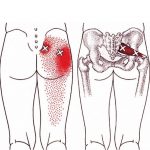
Trigger point massage is a specialized therapy that focuses on muscle knots. These “trigger points” can cause localized pain and discomfort that may also radiate to other body parts.
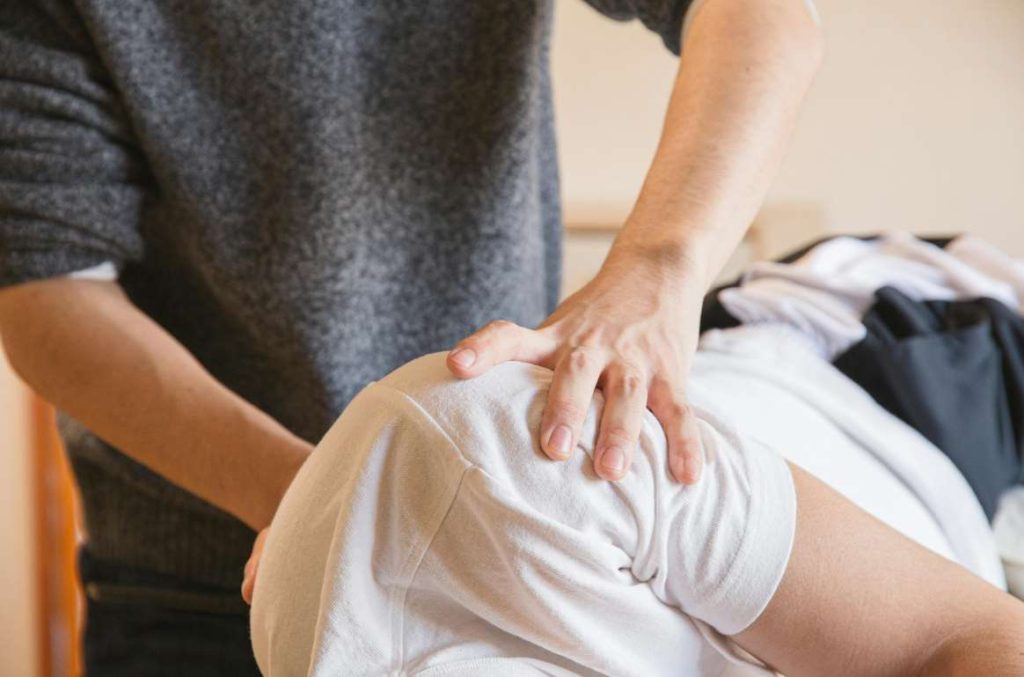
By applying pressure to exact points, therapists can release tension, improve blood flow, and restore normal muscle function. This method is particularly effective for chronic pain, post-injury stiffness, or muscle imbalances that do not respond to general massage.
For instance, considering the above Austin accident, survivors with specific localized injuries could benefit from trigger point therapy to address stubborn muscle pain. Accessing professionals for massage in Austin allows targeted treatment that accelerates recovery and alleviates discomfort. It also supports overall mobility after traumatic incidents.
Consistent massage sessions can help stop muscles from tightening repeatedly and enhance overall physical performance.
Myofascial release is a soft but powerful method aimed at easing tension in the fascia, the connective tissue around muscles. When this tissue tightens from injury, strain, or poor posture, it can restrict movement and lead to discomfort.
ScienceDirect states that myofascial pain affects 20–95% of patients with musculoskeletal issues, most often adults aged 27–50. It commonly occurs in people with chronic tension headaches, jaw disorders, facial pain, or post-whiplash syndrome. This highlights its widespread impact across various musculoskeletal conditions.
However, through sustained, hands-on pressure, myofascial release helps loosen these constraints. This therapy not only improves muscle function but also reduces chronic pain.
Swedish massage is one of the most popular techniques for promoting relaxation and improving circulation. Using long, flowing strokes, kneading, and gentle tapping, this method helps ease muscle tension while stimulating blood flow.
As per Grand View Research, Swedish massage led the market with a 30.29% revenue share in 2023 in the US. Its popularity is growing due to its recognized relaxation and therapeutic benefits. It is highly appealing to those seeking overall well-being.
The enhanced circulation of this massage delivers more oxygen and nutrients to muscles and tissues. It supports faster recovery and overall health. Beyond its physical benefits, Swedish massage also calms the nervous system.
Regular massage helps relieve muscle soreness, lower inflammation, and enhance flexibility. It is an excellent complement to exercise and physical therapy.
According to the American Massage Therapy Association, 62% of people received a massage for health and wellness last year. Around 35% took it for soreness, stiffness, or spasms, and 20% took it for chronic pain management. Also, 59% sought massage for relaxation and stress relief, while 48% did so for mental health.
Massage promotes better circulation, which speeds up the delivery of nutrients and removal of toxins from the muscles. Beyond the physical benefits, massage also supports mental recovery by reducing stress and improving sleep quality.
Yes, massage techniques can help prevent recurring injuries by improving flexibility. It also helps reduce muscle tension and enhances blood flow. Regular sessions keep muscles balanced and less prone to strain. They also help identify tight or overused areas early for timely correction.
Yes, targeted massage focuses on tense or overworked areas to correct postural issues and muscle strain. It releases tight muscles, improves alignment, and restores balance to the body. Regular sessions can reduce discomfort, enhance flexibility, and promote better posture in the daily routine.
First, identify the source and intensity of your pain or injury. Consult a licensed therapist who can assess your condition and recommend the right approach. For deep tension, deep tissue or myofascial release may help, while Swedish massage suits general relaxation.
Targeted massage techniques offer a holistic way to support muscle recovery, pain relief, strain relief, and overall well-being. By addressing specific problem areas, targeted massage enhances flexibility, circulation, and body alignment while reducing the risk of future injuries.
Whether used for athletic performance, stress reduction, or postural correction, incorporating massage helps restore balance, promote healing, and maintain long-term physical health.