If you live with hidradenitis suppurativa, you already know the drugstore aisle can feel confusing. Rows of washes, creams, and pads promise clearer skin, but almost none of them mention HS by name.
So how do you actually pick something that helps instead of making a flare worse? Here’s what dermatology sources actually say works, and what to skip.
HS causes painful lumps, boils, and tunnels under the skin, usually in areas where skin rubs together, like the armpits, groin, or under the breasts. Hair follicles near sweat glands get blocked, and bacteria that normally live harmlessly on your skin end up trapped inside them. That trapped bacteria is what triggers the inflammation, pain, and abscesses that can leak or scar over time.
This isn’t caused by poor hygiene. Scrubbing harder or washing more often won’t fix it, and in most cases, it makes things worse.
The American Academy of Dermatology points to antiseptic or antimicrobial washes as a basic daily habit for people managing HS. These aren’t fancy products. Most contain chlorhexidine, benzoyl peroxide, or zinc pyrithione, ingredients also found in acne washes.
Benzoyl peroxide works by killing bacteria on the skin’s surface and helping dead skin cells shed instead of clogging follicles. Chlorhexidine works similarly and is sold under names like Hibiclens. Zinc pyrithione, often found in dandruff shampoo, is used as a body wash for people whose skin can’t tolerate the other two.
If you’re comparing every over the counter cream for hidradenitis suppurativa on the shelf, the active ingredient matters far more than the brand or the price tag. A basic wash with one of these three ingredients does more work than a pricier product without them.
Apply the wash to affected areas, let it sit for a few minutes while you shower, then rinse. Doing this daily, not scrubbing, is what actually helps. These washes are drying, so skipping the next step causes problems fast.
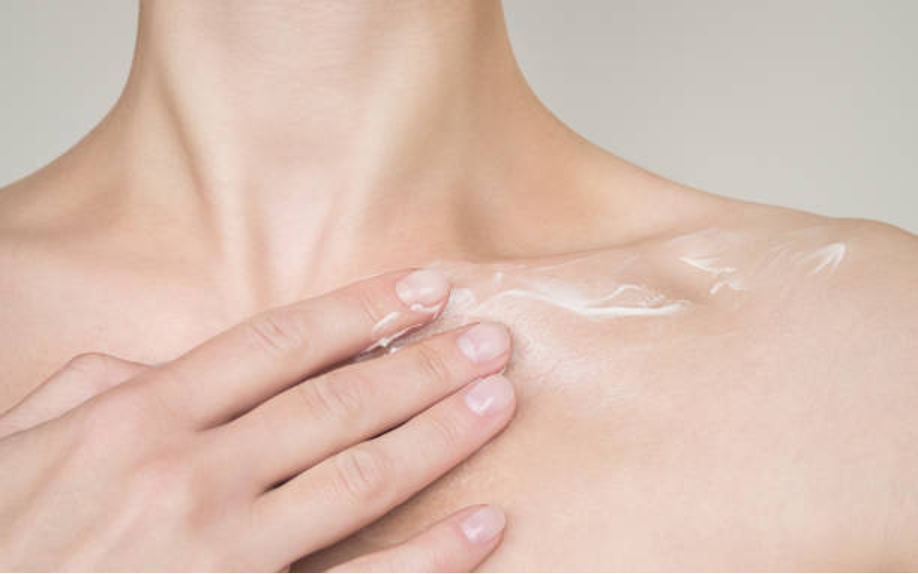
Antiseptic washes strip natural oils along with bacteria. Skip the moisturizer, and you’re left with cracked, irritated skin that’s more prone to friction and flares. A fragrance-free lotion or cream applied right after washing keeps the skin barrier intact. This is a small step people often forget, and it’s one of the easier ones to fix.
There’s no single best remedy for hs skin, since flares vary so much from person to person. But a few OTC approaches show up again and again in patient guidance. Over-the-counter pain relievers like ibuprofen or naproxen help with the throbbing pain that comes with active lesions, especially at night. Warm compresses can ease pressure around swollen areas, and loose, breathable clothing cuts down on friction that irritates already inflamed skin.
None of these treat the underlying cause. They just make the days you’re dealing with a flare more bearable.
When a flare hits, some people find it helps to have a short, repeatable set of steps rather than reacting differently every time. That might mean an antiseptic wash in the morning, a fragrance-free moisturizer right after, an NSAID if pain is bad, and a warm compress before bed. Think of it less as a fixed formula and more as universal flare care, something you adjust depending on which areas are acting up that week.
A few habits tend to backfire. Scrubbing the skin to feel “cleaner” causes more inflammation, not less. Fragranced soaps and lotions can irritate skin that’s already sensitive. And shaving over active lesions raises the risk of irritation and infection, so it’s worth waiting until an area calms down.
OTC products can genuinely help with day-to-day comfort and bacteria control, but they work best alongside guidance from a dermatologist, especially if flares are frequent or severe. Simple, consistent habits tend to matter more than any single product on the shelf.