The red golden retriever is one of the most stunning and spirited variations of the beloved golden retriever breed. With their rich mahogany coats and boundless energy, these dogs capture attention everywhere they go. They share the core traits that make golden retrievers one of the most popular family dogs in the world, but they bring their own unique personality and working-dog drive that sets them apart.
Despite their striking appearance, red golden retrievers are not a separate breed. They are purebred golden retrievers whose coat color falls at the darkest end of the breed’s accepted color spectrum. However, their deeper red coloring often reflects a distinct lineage, specifically field trial bloodlines, which gives them a noticeably higher energy level and drive compared to cream or golden-coated counterparts.
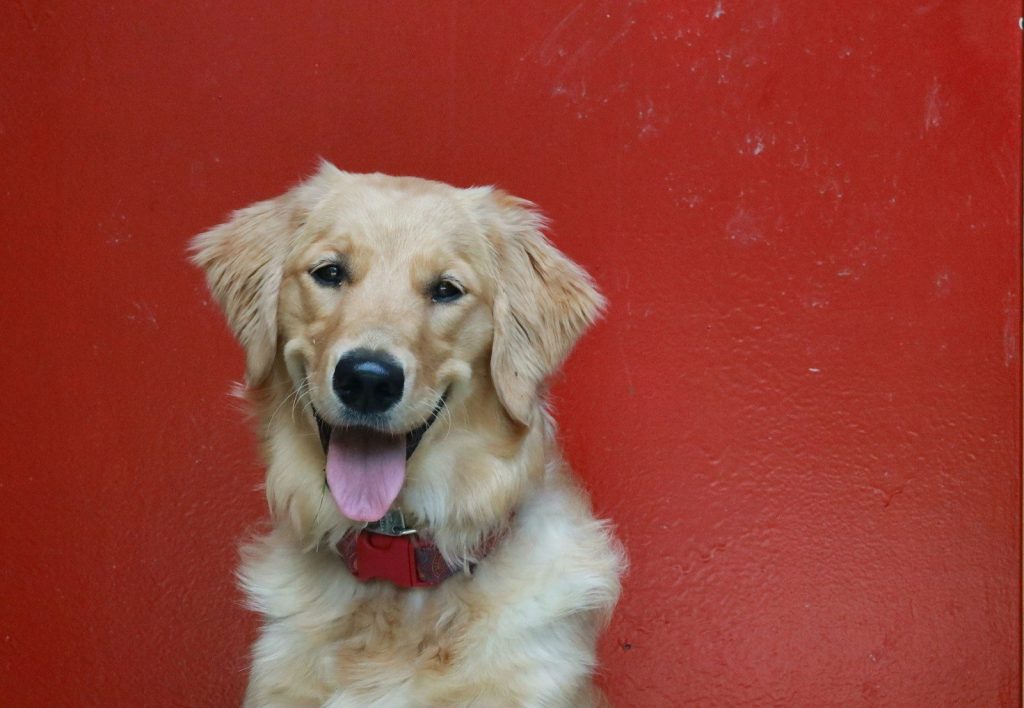
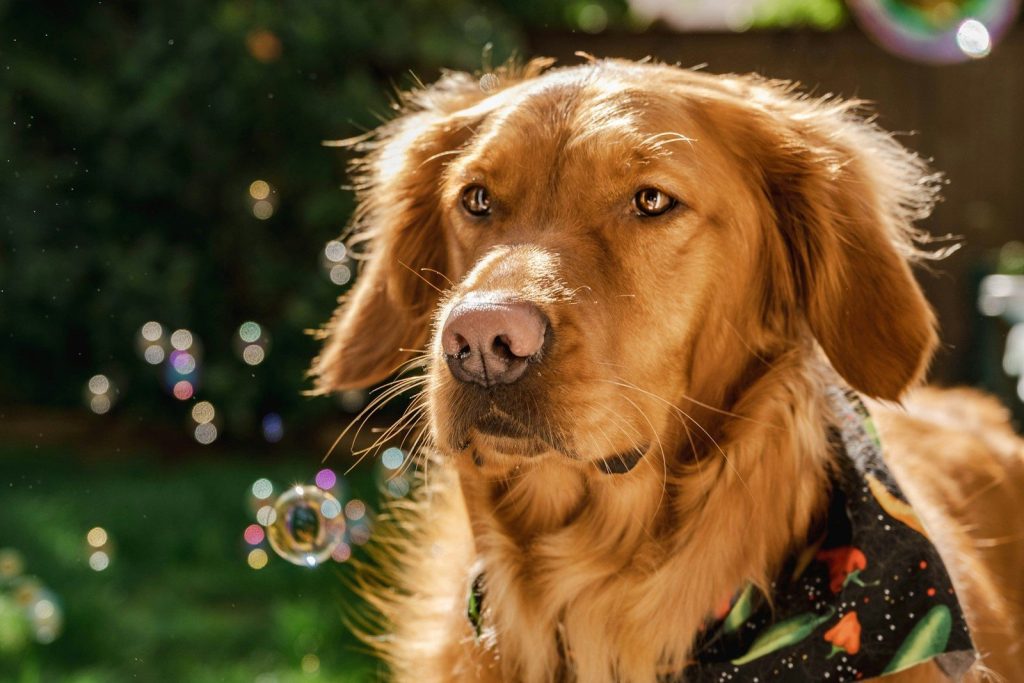
The most obvious difference is the coat. A red golden retriever displays rich, deep auburn or mahogany coloration ranging from warm copper to dark reddish-brown. Their fur tends to be slightly shorter and less feathered than the coats of show-line golden retrievers, which gives them a leaner and more athletic overall appearance. Additionally, their builds are often trimmer and more compact than the broader, blockier show-line golden.
The color difference traces directly back to lineage. Most red golden retrievers descend from field trial lines rather than conformation show lines. Field dogs were bred specifically for working ability, stamina, and drive. As a result, red golden retrievers tend to be more focused, more energetic, and more instinctively motivated to work and retrieve than golden retrievers from show bloodlines.
Red golden retrievers are extraordinarily friendly, affectionate, and outgoing dogs. They greet everyone, including complete strangers, with enthusiasm and warmth. This open-hearted nature makes them poor guard dogs but exceptional companions, therapy dogs, and family pets. They are emotionally sensitive animals that read human moods well and respond with genuine empathy.
Their intelligence is one of their greatest strengths. Golden retrievers consistently rank among the most trainable dog breeds in the world, and red goldens are no exception. They pick up commands quickly, retain training well, and are deeply motivated by the desire to please their owners.
However, their sensitivity means that harsh corrections or punishment-based training can discourage them significantly. Therefore, positive reinforcement with praise, treats, and play always delivers the best training outcomes with this breed.
One notable personality trait specific to red golden retrievers is their tendency toward mouthiness. Many owners report that their red goldens grab objects, hands, and clothing with their mouths more frequently than other golden variations.
This behavior stems from their strong retrieving instincts and is entirely manageable with consistent early training. Redirecting mouthing behavior toward appropriate toys and rewarding gentle mouth use eliminates the habit effectively in most puppies.
Red golden retrievers are high-energy dogs that need substantial daily physical activity to stay balanced, happy, and well-behaved. Most experts recommend at least one to two hours of exercise every single day for this breed.
This can include running, swimming, hiking, fetch sessions, and agility work. A red golden retriever that does not receive adequate exercise typically expresses that pent-up energy through destructive chewing, excessive barking, and persistent attention-seeking behavior.
Their love of water is a defining trait. Most red golden retrievers take to swimming enthusiastically and naturally, often without any encouragement. Swimming provides a full-body workout without placing stress on joints, making it one of the best exercise options for this breed. Additionally, interactive games such as fetch and hide-and-seek satisfy their deep retrieving instincts while strengthening the bond between dog and owner.
Mental stimulation matters just as much as physical exercise. Puzzle feeders, obedience training sessions, nose work activities, and learning new commands all keep their sharp minds engaged and prevent the boredom that leads to behavioral problems. Therefore, a daily routine that balances physical and mental activity produces the calmest and most contented version of this breed.
Beyond the signature coat color, red golden retrievers share the breed’s classic athletic build and warm facial expression. Here are the key physical characteristics to know:
The red golden retriever’s double coat requires consistent grooming to stay healthy, clean, and tangle-free. Brushing at least three to four times per week prevents matting, removes dead hair, and distributes the coat’s natural oils evenly.
During spring and fall shedding seasons, daily brushing becomes necessary to manage the significant increase in loose hair. A slicker brush combined with a long-toothed metal comb works best for penetrating the dense double coat effectively.
Bathing every four to six weeks keeps the coat clean and reduces shedding between sessions. Use a shampoo formulated specifically for double-coated breeds to protect the water-resistant outer layer.
Additionally, check and clean the ears weekly, as the dropped ear shape creates a warm and moist environment that is prone to infection if not kept dry and clean. Trim nails every three to four weeks and brush teeth at least three times weekly to support overall health.
Red golden retrievers share the same health profile as all golden retrievers. The breed’s average lifespan is 10 to 12 years. Like all goldens, they are predisposed to certain health conditions that prospective owners should understand before bringing one home:
Choosing a reputable breeder who conducts all recommended health screenings on both parents significantly reduces the risk of inheriting these conditions. Furthermore, feeding a high-quality diet, maintaining a healthy body weight, and scheduling regular veterinary visits throughout the dog’s life are the most impactful steps you can take for long-term health.
Red golden retrievers thrive on a high-quality dry kibble or raw diet formulated for large, active breeds. Adult dogs typically eat two to three cups of food per day, divided into two meals to reduce the risk of bloat. Puppies need three smaller meals daily to support their rapid growth during the first year. Always base feeding amounts on your dog’s specific weight, age, and activity level rather than generic package guidelines.
Avoid overfeeding, as golden retrievers are prone to obesity, which places additional stress on their joints and increases the risk of diabetes and heart disease. Measure every meal consistently and limit high-calorie treats to no more than 10 percent of the daily caloric intake. Additionally, always provide fresh, clean water throughout the day, especially after vigorous exercise or time spent swimming outdoors.
Red golden retrievers thrive in active households where they receive plenty of attention, exercise, and daily engagement. They do exceptionally well with children of all ages, other dogs, and even cats when properly socialized from puppyhood.
They adapt reasonably well to apartment living provided their exercise needs are fully met each day. However, they are not well-suited to owners who work long hours away from home, as their deeply social nature makes them highly prone to separation anxiety when left alone for extended periods.
First-time dog owners can absolutely succeed with a red golden retriever, provided they commit to consistent training, daily exercise, and regular grooming from the start. Their trainability and forgiving temperament make them genuinely one of the most beginner-friendly large breeds available. As a result, the red golden retriever remains one of the most rewarding companions a family can choose, combining stunning looks, sharp intelligence, loyal devotion, and an endless capacity for love into one extraordinary dog.