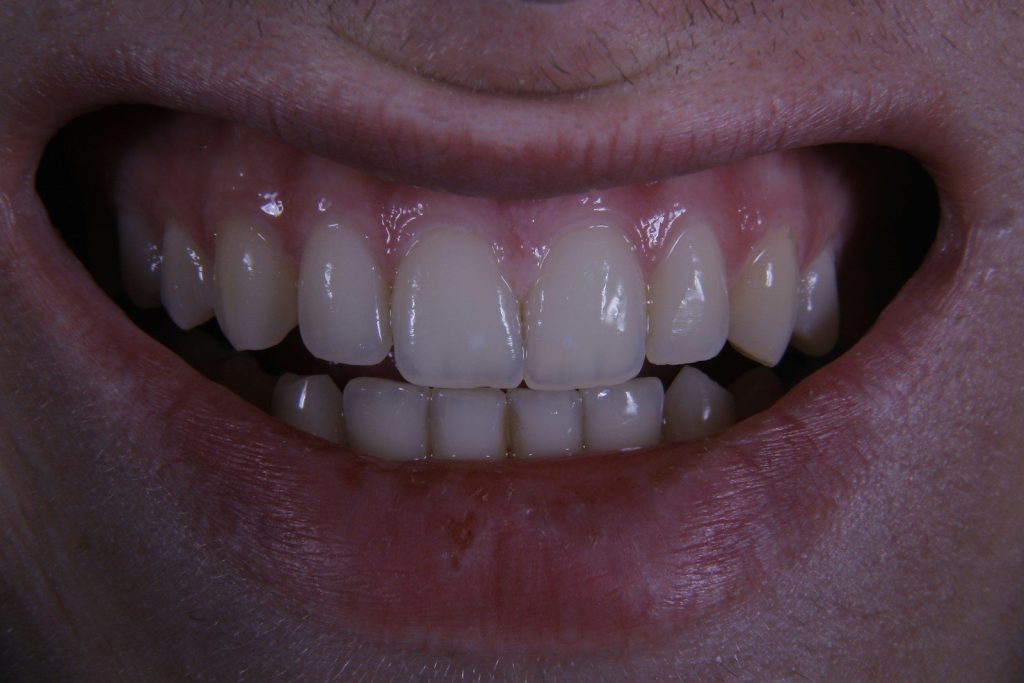
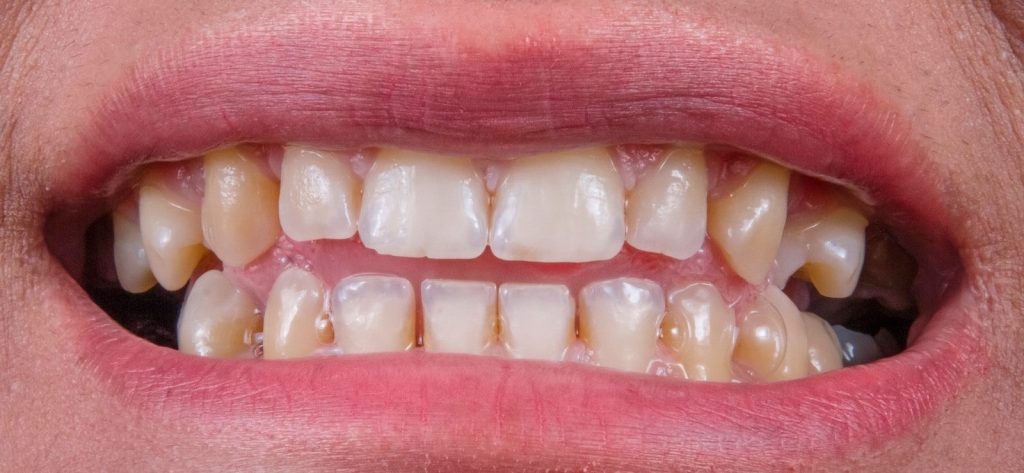
If you have noticed chalky or opaque patches on your smile, you are not alone. White spots on teeth are one of the most common cosmetic dental concerns affecting both children and adults. They rarely indicate a serious medical emergency, but they do signal that something has disrupted the health or development of your tooth enamel. Understanding the cause is the first and most important step toward finding the right solution.
The good news is that most white spots on teeth are treatable, and many early cases are completely reversible with the right approach. From simple changes in oral hygiene to minimally invasive dental procedures, there are more options available today than ever before. Therefore, knowing your treatment choices helps you address the issue quickly, confidently, and cost-effectively.
What Causes White Spots on Teeth?
White spots form when the tooth enamel loses essential minerals, creating porous, chalky areas that reflect light differently from the surrounding tooth surface. Several distinct causes can trigger this process, and each one requires a different treatment strategy. The most common causes include:
Demineralization: This is the most frequent underlying cause; acids produced by plaque bacteria strip calcium and phosphate from the enamel, leaving dull white patches that signal early tooth decay; if caught early, demineralization is fully reversible
Dental Fluorosis: Overexposure to fluoride during childhood, specifically between ages one and eight when enamel is still forming, can interfere with proper enamel development; the result is white streaks, spots, or patches that are permanent but cosmetically treatable; common causes include swallowing fluoride toothpaste and drinking heavily fluoridated water
Enamel Hypoplasia: This condition occurs when the enamel does not develop properly during childhood due to infection, trauma, high fever, premature birth, or nutritional deficiencies; it creates thinner, weaker enamel with visible white or discolored patches and increases the risk of future decay
Poor Oral Hygiene: Infrequent brushing and flossing allow plaque to accumulate on tooth surfaces; the bacteria in that plaque produce acids that demineralize enamel and create white spot lesions over time
Braces and Orthodontic Treatment: White spots commonly appear around brackets after braces are removed; plaque buildup underneath or around brackets during treatment causes localized demineralization that becomes visible once the hardware comes off
Acidic and Sugary Diet: Frequent consumption of citrus fruits, sodas, sports drinks, and processed foods creates an acidic oral environment that erodes enamel steadily; sugar feeds harmful bacteria, which then produce enamel-damaging acids
Mouth Breathing and Dry Mouth:Breathing through the mouth, especially during sleep, reduces saliva flow; saliva is the mouth’s natural defense system that neutralizes acids and remineralizes enamel; without adequate saliva, white spots develop more easily
Certain Medications: Antibiotics such as amoxicillin can interfere with the body’s ability to absorb nutrients properly, disrupting enamel formation in children and increasing vulnerability to white spot development
Additionally, molar incisor hypomineralization (MIH), a condition characterized by a lack of enamel development during its maturation stage, affects the molar and incisor teeth specifically and produces prominent white or yellow-brown spots.
Furthermore, low calcium diets during childhood can impair the mineralization process and contribute to multiple white spot lesions across several teeth simultaneously.
Treatment Options for White Spots on Teeth
The best treatment for white spots on teeth depends entirely on the underlying cause and the severity of the discoloration. Mild cases often respond well to non-invasive home-based approaches, while more prominent or longstanding spots require professional dental intervention. Here is a full breakdown of available treatments from least to most invasive:
Improved Oral Hygiene: For spots caused by demineralization or poor brushing habits, consistently brushing twice daily, flossing once daily, and using a fluoride-based toothpaste can halt the process and allow early remineralization to begin
Remineralizing Toothpastes and Gels: Products containing fluoride, hydroxyapatite, or calcium phosphate actively restore lost minerals to weakened enamel; these are the most accessible first-line treatments for early white spot lesions and work best when used consistently over several weeks
Fluoride Varnish Application: A dentist applies a concentrated fluoride varnish directly to affected areas; this professional-grade treatment significantly strengthens demineralized enamel and can reverse early white spots before they progress to cavities
Resin Infiltration (ICON Treatment): This minimally invasive procedure fills the porous enamel structure with a tooth-colored resin that camouflages the white spot from within; it requires no drilling, no anesthesia, and is completed in a single appointment; it is particularly effective for fluorosis-related spots and post-orthodontic demineralization
Microabrasion: A dentist polishes away a very thin outer layer of enamel using a mild acidic and abrasive compound, removing superficial white spots; this technique works well for mild fluorosis and surface-level discoloration but is not appropriate as a first-line treatment since it removes permanent tooth structure
Teeth Whitening: Professional bleaching or at-home whitening strips can lighten the surrounding enamel to better match the color of the white spots, reducing their visual contrast; however, whitening alone rarely eliminates spots entirely and often works best in combination with other treatments
Composite Resin Bonding: For more severe cases of enamel hypoplasia or deep fluorosis, a dentist applies tooth-colored composite resin directly over the affected area to restore both the appearance and the strength of the tooth surface
Dental Veneers: Thin porcelain or composite shells bonded to the front of the tooth completely cover white spots and surrounding discoloration; veneers are a longer-lasting cosmetic solution for severe or widespread cases that do not respond to less invasive options
For white spots caused specifically by demineralization during orthodontic treatment, resin infiltration is widely regarded as the most effective and least invasive option. A study published in the BDJ Team journal confirms that the ICON resin infiltration system is a highly effective minimally invasive approach for treating incipient caries and white spot lesions in patients of all ages. Therefore, patients who notice spots after brace removal should consult a dentist promptly to discuss this option before the lesions deepen.
White Spots on Teeth in Children
Children are disproportionately affected by white spots because the most common causes, including fluorosis, enamel hypoplasia, and demineralization, all act during the critical developmental window of early childhood. Parents should monitor their children’s teeth regularly and act at the first sign of any unusual discoloration or chalky patches.
To protect children from fluorosis, supervise toothbrushing until the age of six to ensure they are not swallowing toothpaste. Use only a rice-grain amount of fluoride toothpaste for children under three and a pea-sized amount for children aged three to six.
Additionally, if your local water supply is heavily fluoridated, consult your pediatric dentist about whether supplemental fluoride products are appropriate for your child. Furthermore, maintaining a calcium-rich diet through dairy, leafy greens, and fortified foods supports strong and properly mineralized enamel development throughout childhood.
How to Prevent White Spots on Teeth
Prevention is always more effective and far less costly than treatment. Most cases of white spots on teeth are entirely avoidable with consistent daily habits and smart dietary choices. Follow these evidence-based prevention strategies:
Brush at least twice daily for two full minutes using a soft-bristled toothbrush and fluoride toothpaste
Floss once daily to remove plaque from between teeth where brushing cannot reach
Reduce your consumption of acidic foods and drinks such as citrus, soda, sports drinks, and vinegar-heavy foods
Drink plenty of water throughout the day to support saliva production and neutralize mouth acids
Eat a diet rich in calcium, phosphorus, and vitamin D to maintain strong, well-mineralized enamel
If you wear braces, use an electric toothbrush and interdental brushes to clean thoroughly around each bracket after every meal
Address mouth breathing and sleep apnea with your doctor or dentist to protect saliva flow during sleep
Visit your dentist every six months for professional cleanings and early detection of any enamel changes
Additionally, oil pulling with coconut oil for 30 to 60 seconds daily can help reduce plaque bacteria that contribute to demineralization. Coconut oil contains lauric acid, which has demonstrated antibacterial properties that support overall oral hygiene.
Meanwhile, rinsing with water immediately after consuming acidic foods or drinks helps neutralize acids before they begin attacking the enamel surface. Therefore, combining these daily habits creates a comprehensive oral care routine that actively protects your enamel from white spot formation.
When to See a Dentist About White Spots
While mild white spots are not a dental emergency, they deserve prompt professional evaluation. Early intervention significantly improves outcomes and prevents more serious complications such as full cavities, sensitivity, and structural enamel loss. Schedule a dental appointment if you notice any of the following:
New white spots appearing after braces are removed
White spots that are growing larger or becoming more opaque over time
Spots accompanied by tooth sensitivity to hot, cold, or sweet foods
Multiple white spots appearing across several teeth simultaneously
White spots in children under the age of ten that appear without an obvious cause
Colgate confirms that white spots on teeth caused by fluorosis, demineralization, and enamel hypoplasia are all treatable and in many cases reversible when caught early. Therefore, never dismiss white spots as a purely cosmetic issue. They are early warning signals that your enamel needs support, and acting on them quickly always delivers the best possible outcome for your long-term dental health.