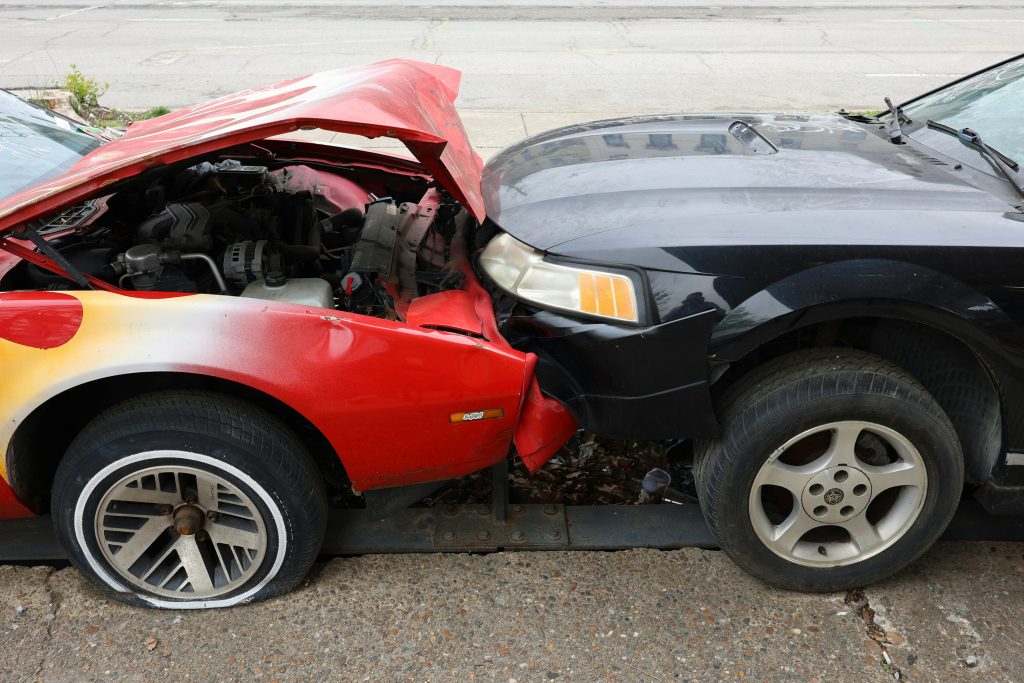
Practical planning can help drivers reduce everyday risks and respond more clearly when a collision disrupts the road ahead.
Most drivers expect an ordinary trip when they start the engine. A collision can replace that expected routine with hazards, possible injuries, insurance questions, and decisions made under stress. But preparation provides a framework for those first minutes after an accident.
That framework includes knowing where to find reliable information that may be helpful. A Houston car crash attorney may offer guidance when injuries, disputed responsibility, or insurance problems raise legal questions. Every driver can also take practical steps to improve accident readiness well ahead of time.
Attention behind the wheel affects everyone. Speeding reduces reaction time, while rain, glare, construction, and heavy traffic make sudden changes harder to manage. Phone use, eating, and adjusting controls can pull attention away at a critical moment.
The national toll illustrates why awareness matters. Data from the National Highway Traffic Safety Administration (NHTSA) found that in 2023, 8% of fatal crashes were reported as distraction-affected, and 3,275 people died in crashes involving distracted drivers. The NHTSA’s research also notes that distraction can include activities beyond texting, such as eating or adjusting controls.
Maintaining a safe following distance, scanning intersections, checking blind spots, and slowing for weather or congestion also gives drivers more time to react.
Drivers should keep current insurance and registration documents accessible, store emergency contacts, and know how to report a collision to their insurer.
A vehicle kit that can be kept in a car might include a flashlight, first-aid supplies, reflective warning devices, a phone charger, water, and weather-appropriate items. Regular tire, brake, light, and wiper checks can also reduce maintenance-related emergencies.
During any kind of vehicle collision, a charged phone, accessible insurance card, and simple checklist reduce what a shaken driver must recall.
Following an accident, drivers should check for injuries, call emergency services when necessary, and move to safety when appropriate. They should exchange contact, vehicle, and insurance information with the other motorist.
When conditions allow, photographs can record vehicle positions, damage, signs, skid marks, weather, and road conditions. Drivers should collect witness details and note the time and location without speculating about fault.
This guide to what to do after a car accident provides additional reminders about stopping safely, contacting emergency services, and recording information at the scene.
Documentation can clarify events when memories differ. If drivers dispute an intersection signal or impact sequence, photographs, witness accounts, video, and the official report may provide a clearer record.
Drivers should save repair estimates, towing receipts, medical bills, insurer correspondence, and missed-work records. Keeping organized files can help to simplify insurance requests when the time comes.
Texas recorded 4,150 traffic fatalities and 251,977 people injured in motor vehicle crashes during 2024. The official Texas crash facts report provides additional statewide context.
Not every injury is obvious at the scene. A motorist may initially feel fine, then develop neck pain or headaches later. A prompt medical evaluation can be appropriate even when initial symptoms seem minor. Treatment notes and follow-up records can establish when symptoms appeared and how they changed.
Settlement decisions should wait until the injured person understands what an offer covers. Medical expenses, possible future care, lost income, vehicle damage, and release terms may all matter. Professional legal guidance may be useful when responsibility is disputed, injuries are significant, several parties are involved, or coverage is unclear. No particular result follows simply from seeking help; individual outcomes will depend on the evidence and applicable law in each situation.
Prepared drivers combine prevention with a workable response plan. They put phones away, leave adequate space, maintain their vehicles, carry basic supplies, and review insurance information before it is needed. If a crash occurs, prioritizing safety, documenting facts, monitoring symptoms, and reading insurance documents carefully can bring structure to an otherwise disorienting event.
Check for injuries, move to safety when appropriate, contact emergency services when needed, exchange information, and document the scene.
Photographs, witness details, reports, and medical records can help establish what happened and support an insurance claim or legal review.
Some symptoms develop later. A person who experiences pain, headaches, dizziness, or other concerns should seek an appropriate medical evaluation.
It may be useful when injuries are serious, fault is disputed, an insurer challenges the claim, or substantial financial losses are involved.