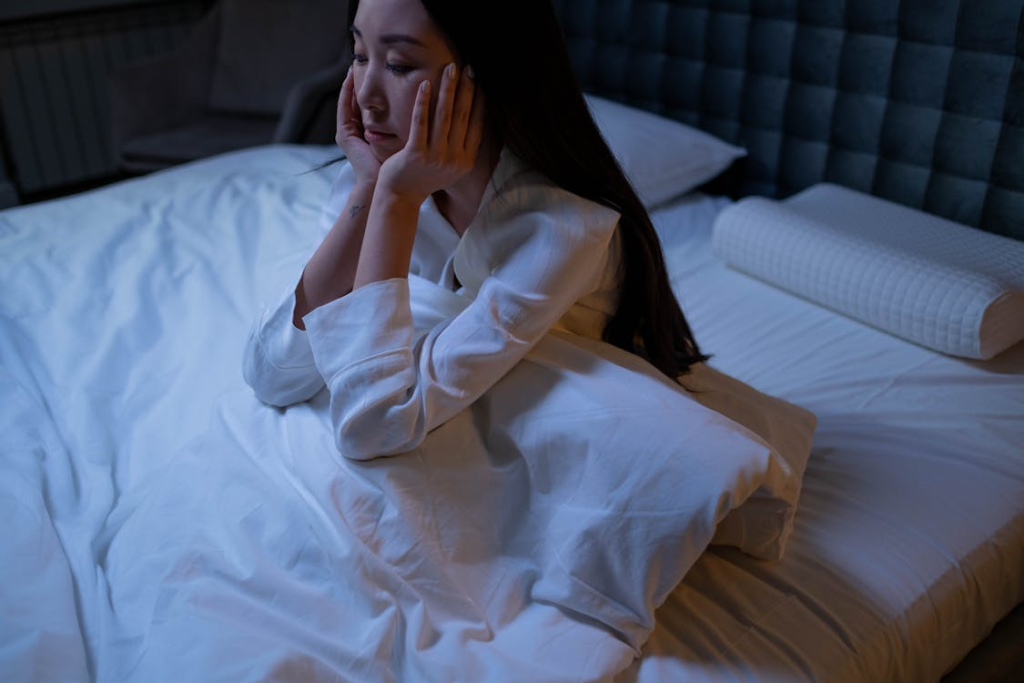
Waiting on a legal case is exhausting.
It’s that deep exhaustion that no sleepcation can fix. Your claim’s always lurking in the back of your mind. Day and night. As soon as you hit the pillow, your brain thinks it’s a great idea to scroll through every minute detail of your case.
Here’s the thing:
Sleep loss in litigation is more than “just stress.” It’s a legitimate phenomenon with serious implications for health, judgment and the claim itself.
Let’s get into it.
A pending injury claim creates a unique type of stress.
It’s different than job stress. It’s different than having a bad week. It’s open-ended. There is no end date. There is no guaranteed outcome. And usually, a lot of money is on the line. The brain doesn’t like ambiguity — and lawsuits deliver it daily.
Research indicates that 74% say their sleep is impacted by stress. When you pile financial stress, physical recovery and legal concerns on top of everyday life — sleep tends to be the first thing sacrificed.
Three big reasons sleep falls apart during a legal claim:
When all three hit at once, sleep becomes nearly impossible.
That’s the trap.
Lost sleep during a pending claim is not a small thing. It’s a snowball.
The longer cases drag on, the sleep suffers — and the more sleep suffers, the more difficult everything else is. Memory fails you, mood decreases, and the body can’t recover.
Approximately 60% of adults suffer from inadequate sleep on a consistent basis. Toss in a pending lawsuit and you’ve got a seriously bad recipe for sleep.
The health cost shows up as:
And the most underrated cost?
Poor sleep impairs financial judgment. People who don’t get enough sleep settle for less money and make deadline errors. Such mistakes are detrimental when rejecting settlement offers.
Sleep better naturally and you’ll help your body heal while reducing stress. Here are 7 ways you can actually sleep better while pending an injury claim. You won’t need any pricey equipment or apps – they just work.
This is the most important rule.
Choose a cutoff time each night. 7pm works well. Stop doing any case-work at that time. No emailing the attorney. No reading the case-files AGAIN. No googling “average wrongful death settlement”. Give your mind some time to unwind between work-stress and bed-time.
A huge chunk of sleep loss is financial.
Bills, lost wages, medical expenses — they all add up when waiting for a case to conclude. The longer your case drags on, the more mountains grow. Plaintiffs often turn to personal injury lawsuit funding to help with necessary expenses during the duration of the case. There’s not much better than knowing your rent is covered for next month.
Don’t underestimate this one.
The goal here is “boring on purpose.”
Same time every night. Same lights low. Same lukewarm shower. Your body learns the routine and begins relaxing on its own. Anything boring is good. Exciting is the enemy of sleep.
Phones are the worst.
Checking news feeds, social media or worst… googling your case type keeps your brain on alert mode. Put the phone in another room after 9pm. Your brain will thank you after about a week of feeling awesome.
Even a 20-minute walk helps.
Light movement throughout the day helps metabolize stress hormones so your body knows true tiredness at bedtime. If you’re recovering from an injury, check with your doctor first — but most injured people can do something light.
This works surprisingly well:
Taking deep breaths sounds too easy to help. It’s not. Relaxing the breath tells the body it’s okay to rest — the opposite of what you’re telling yourself all day with an impending lawsuit.
Coffee after 2pm is a sleep killer.
The half life of caffeine is approximately 5-6 hours. That 3pm latte you just had is still lingering in your system at 9pm. When you’re in the middle of a stressful case, your body is already wired. Don’t make it more wired.
Sometimes the strategies above aren’t enough.
When sleep is suffering for weeks on end you need to speak with a professional. According to the CDC 14.5% of people have difficulty falling asleep on a regular basis – already pretty high and that’s WITHOUT a lawsuit pending so when you have one they increase.
Reach out for professional help if:
A doctor can take care of medical problems. A therapist can assist with rumination. They both are a god send during a long pending claim.
Waiting on a legal claim to be settled is one of the worst sleeping positions you can possibly be in. You deal with financial stress, physical pain, and mental anguish simultaneously.
But sleep doesn’t have to fall apart completely.
The fix usually comes down to three things:
Litigation is a marathon. There is no magic mailbox where justice suddenly appears. However, there is one thing you can do to preserve your health & sanity as you wait: Start treating sleep like a necessity, not a privilege.
A rested plaintiff makes smarter decisions, recovers quicker, and shows up on day #whatever better than one surviving on 4 hours of sleep a night.