After a tooth extraction, one of the most common questions patients ask is: will dry socket heal on its own? The honest answer is yes, it can heal without professional treatment in most cases. However, the pain involved is intense, and healing without care takes significantly longer. Therefore, understanding your options helps you recover faster and more comfortably.
Dry socket is a painful condition that develops when the blood clot at an extraction site either fails to form or gets dislodged too early. Without that protective clot, the underlying bone and nerves become exposed to air, food, and bacteria. As a result, the pain can radiate to your ear, jaw, and even your eye on the affected side.

Technically, dry socket can resolve on its own because your body will eventually grow new tissue over the exposed bone. However, this process is slow and extremely uncomfortable without any intervention. Most patients who attempt to tough it out without help experience days of throbbing, severe pain that disrupts eating, sleeping, and daily life.
With proper care, whether at home or with a dentist, dry socket typically heals within seven to ten days. During this window, new granulation tissue gradually forms over the exposed area and provides the protection the missing blood clot was supposed to offer.
In contrast, without any care at all, healing can take two weeks or longer, and the risk of infection increases significantly. Therefore, while waiting it out is technically possible, it is never the recommended approach.
The Cleveland Clinic confirms that with proper care, a dry socket usually heals within seven to ten days. New tissue forms over the exposed socket during this time. However, several factors influence how quickly your specific case resolves:
For most patients, noticeable improvement begins around day three or four when new tissue starts forming at the socket edges. Additionally, pain levels typically begin to ease around this same window, especially with consistent home care.
Before treating the condition, you need to confirm it is actually dry socket and not normal post-extraction soreness. Normal discomfort after a tooth removal peaks in the first 24 to 48 hours and then steadily improves.
Dry socket, in contrast, produces pain that worsens two to four days after the extraction. Common signs include:
Furthermore, if you notice signs of infection such as fever, pus, or increasing swelling after day three, you should see a dentist immediately. These symptoms indicate that dry socket has progressed beyond what home remedies can address safely.
While professional treatment is always the safest path, several home remedies can meaningfully reduce pain and support the healing process. These remedies work best in mild to moderate cases and as a bridge while you wait for a dental appointment.
Additionally, chamomile tea bags applied to the socket for 15 minutes at a time offer antioxidant and anti-inflammatory benefits that promote tissue regeneration. Meanwhile, oregano oil applied on gauze provides antimicrobial protection that reduces the risk of infection in the exposed bone.
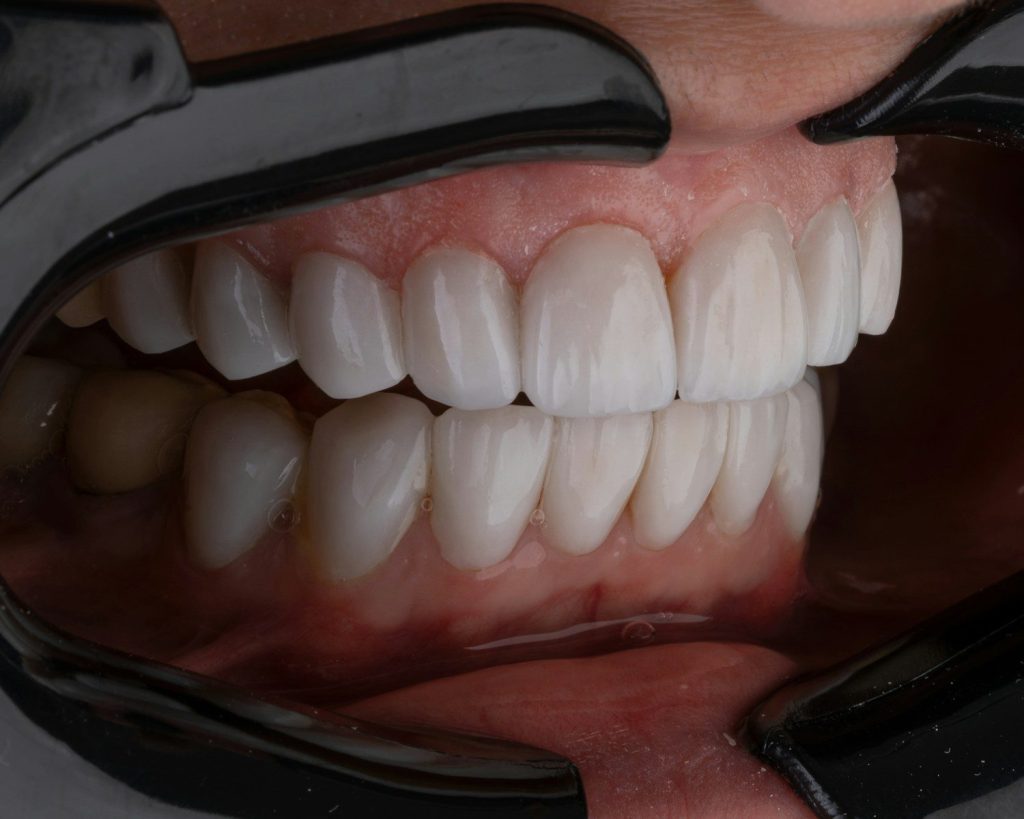
If home remedies do not provide sufficient relief, a dentist can treat dry socket quickly and effectively. The standard professional treatment involves flushing the socket to remove debris and bacteria, then packing it with a medicated dressing that contains soothing, pain-relieving compounds such as eugenol. This dressing is typically changed every 24 to 48 hours until the socket begins healing properly.
Some dental offices now use Platelet Rich Fibrin (PRF) therapy for dry socket management. PRF uses growth factors from the patient’s own blood to accelerate tissue regeneration, reduce inflammation, and speed up healing. Furthermore, studies show that PRF significantly lowers pain levels and may reduce the overall need for antibiotics and painkillers. Therefore, if your dentist offers this option, it is worth considering for faster and more comfortable recovery.
Prevention is always better than treatment. Taking a few careful steps in the 24 to 72 hours after a tooth extraction dramatically lowers your risk of developing dry socket. Follow these key precautions:
Additionally, patients who have previously experienced dry socket are at higher risk of developing it again. Therefore, inform your dentist of your history before any future extractions so they can take additional precautions during and after the procedure.
While mild dry socket often responds well to home care, certain situations require prompt professional attention. See your dentist right away if you experience any of the following:
Untreated dry socket that becomes infected can lead to more serious complications including osteitis (bone infection) and delayed healing that extends recovery by several weeks. Therefore, never ignore symptoms that are worsening rather than improving after day four or five.