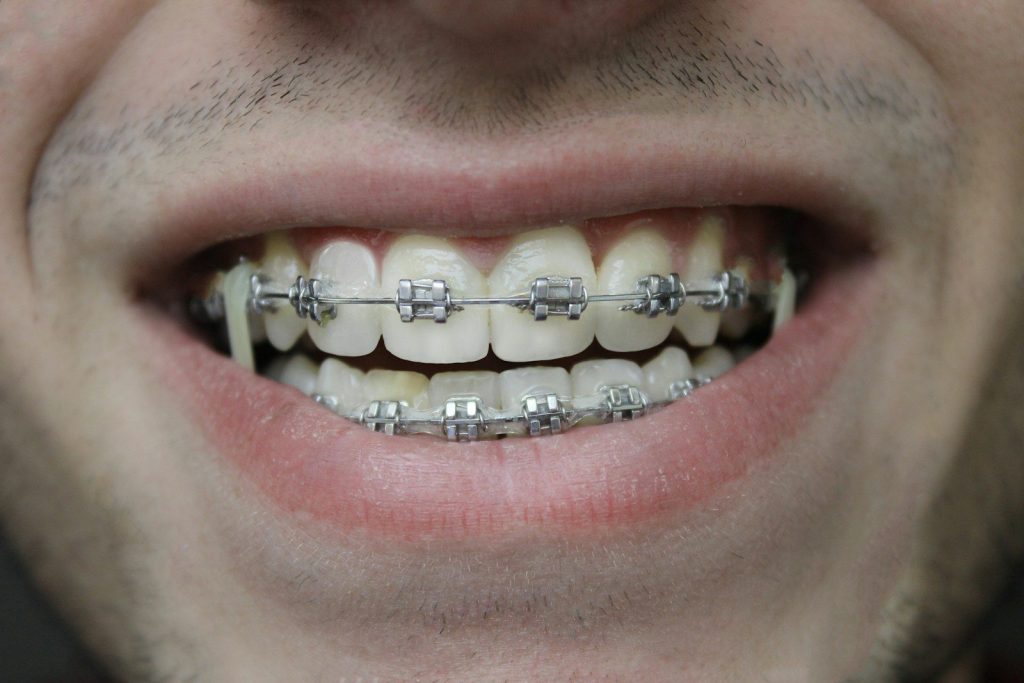
If your child’s dentist has recommended silver teeth for kids, your first reaction might be concern or confusion. Silver-colored dental fillings, known as amalgam, have been used in children’s dentistry for more than 150 years. They remain one of the most studied and debated materials in all of modern dental care. Therefore, understanding exactly what they are, why dentists use them, and whether they are truly safe helps you make a confident, informed decision for your child.
The term “silver teeth” most commonly refers to two things: silver amalgam fillings placed in cavities, and stainless steel crowns used to cap severely damaged baby teeth. Both options have a long track record in pediatric dentistry. However, parents today have more questions than ever about mercury content, appearance, and whether tooth-colored alternatives are a better choice.
Silver amalgam fillings are made from a blend of metals including silver, copper, zinc, tin, and elemental mercury. Mercury acts as the binding agent that holds the metal alloy together and gives the filling its durability. Dentists have used silver amalgam to fill cavities for over 150 years because of its strength, low cost, and long lifespan.
Stainless steel crowns are a separate type of silver dental treatment used specifically in pediatric dentistry. These pre-formed metal caps cover an entire damaged or severely decayed baby tooth.
Dentists often recommend stainless steel crowns when a cavity is too large for a standard filling, or when a tooth has undergone a pulpotomy (baby root canal). Additionally, they protect fragile teeth in very young children who may not yet cooperate with longer, more complex dental procedures.
Pediatric dentists choose silver amalgam for several practical reasons that directly benefit their young patients. Understanding these reasons helps parents see the logic behind the recommendation rather than simply feeling alarmed by the word “mercury.”
Furthermore, for back teeth (molars) in particular, the strength of amalgam makes it a practical long-term solution.
In contrast, white composite resin fillings, while aesthetically appealing, require a completely dry field during application and can be more technique-sensitive when placed in very young or anxious children.
The safety of silver amalgam in children is one of the most thoroughly researched topics in modern dentistry. The National Institutes of Health funded two large randomized clinical trials involving over 500 children each.
Both studies independently found no detectable loss of intelligence, memory, coordination, concentration, or kidney function in children with amalgam fillings compared to children with composite resin fillings over five to seven years of follow-up.
The American Dental Association, the U.S. Centers for Disease Control and Prevention, the World Health Organization, and the American Academy of Pediatrics all agree that dental amalgam is a safe and effective cavity-filling material based on extensive scientific evidence.
The FDA reviewed over 100 mercury studies in 2019 and concluded that exposure to small amounts of mercury from dental amalgam fillings does not pose health risks to the general population.
Additionally, a 2021 University of Rome review of nine studies found that patients with dental amalgam fillings did not have a higher risk for neurological or behavioral conditions compared to patients with other types of fillings.
While amalgam is safe for the majority of children, certain groups face elevated risk and should avoid it whenever possible. The FDA specifically identifies these higher-risk groups:
For these higher-risk children, mercury-free alternatives such as glass ionomer cement or composite resin are the recommended options. Therefore, always inform your pediatric dentist of any existing health conditions before your child receives any dental fillings.
Many parents ask whether white tooth-colored fillings are a better choice for their children. Both materials have genuine advantages and limitations. Here is a clear comparison to help you weigh your options:
As a result of these trade-offs, many pediatric dentists use a combination of both materials. They typically recommend composite resin for front teeth where appearance matters most and amalgam or stainless steel crowns for back molars where strength and durability are the priority.

Stainless steel crowns are the most common type of full-coverage silver teeth used in pediatric dentistry. They are pre-made metal caps that a dentist cements over a damaged baby tooth in a single appointment. Dentists frequently recommend them for teeth with very large cavities, teeth that have undergone pulpotomies, or teeth that are severely weakened by decay.
Stainless steel crowns are extremely durable and rarely fail during the lifespan of a baby tooth. Additionally, they require no special home maintenance beyond normal brushing and flossing. The crown falls out naturally when the baby tooth it covers is shed, making it a temporary but highly effective solution.
Therefore, parents should not be alarmed by their child receiving a stainless steel crown; it is a standard, widely accepted pediatric dental procedure with an excellent track record.
If your child’s dentist recommends silver fillings or crowns, preparing a list of questions helps you feel confident and informed about the treatment plan. Consider asking:
Furthermore, choosing a board-certified pediatric dentist significantly improves the quality of care your child receives. Pediatric dentists complete two to three additional years of specialized training beyond general dentistry, focusing entirely on the unique behavioral, developmental, and dental needs of children. Therefore, their recommendations carry the weight of both general dental science and child-specific expertise.