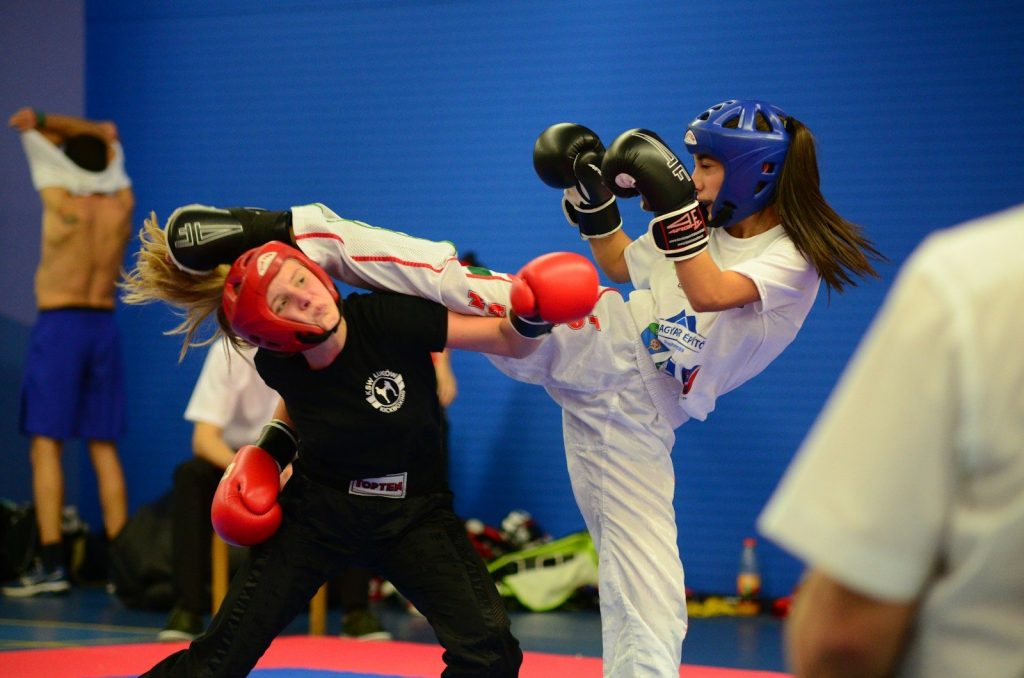
If you want to learn takedown defense martial arts online, you are making a smart and practical decision. Takedown defense is one of the most essential skills in self defense. It keeps you on your feet during a real confrontation, where falling to the ground can be extremely dangerous. Fortunately, structured online training now makes it possible for absolute beginners to build solid takedown defense skills from home.
This guide walks you through everything step by step. You will understand what takedown defense is, which martial arts teach it best, how to start training online, and which techniques to master first. Whether your goal is personal safety, MMA competition, or general fitness, this article covers it all.
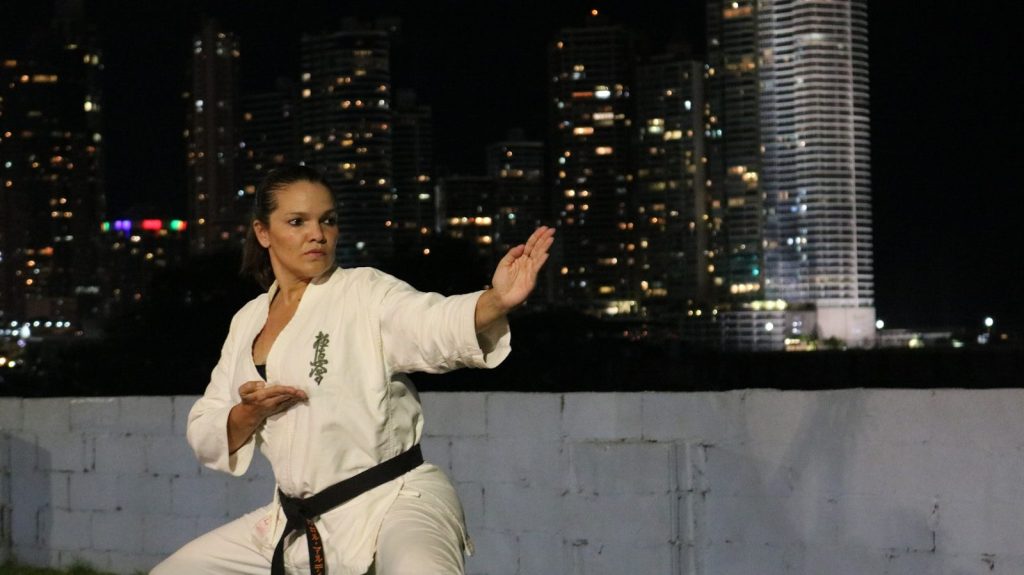
Takedown defense is the skill of stopping an opponent from bringing you to the ground. In a street fight or combat sport, attackers often try to tackle or trip you. Therefore, knowing how to defend against these attempts keeps you in a safer position. It is a core component of wrestling, Brazilian Jiu-Jitsu (BJJ), MMA, and Judo.
Experts organize takedown defense into layers. The first layer is prevention: maintaining good posture and distance so an attacker cannot reach your hips. The second layer involves your hands: using a stiff arm or underhooks to block the initial shot.
The third layer is the sprawl: driving your hips back and down to neutralize the attack. Additionally, there are backup layers such as the sitting fall and guard retention for last-resort situations.
Several martial arts disciplines teach takedown defense effectively. Each style has a slightly different approach, so choosing the right one depends on your goals.
Learning online requires a structured approach. However, with the right resources, beginners can make significant progress even without a gym.
Before drilling any technique, understand the conceptual framework. The five layers are: stiff arm, underhooks, sprawl, sitting fall, and guard retention. Think of these as your backup plans. You should master layer one and two before jumping to the others. This mental structure makes your defense much more organized and effective in real situations.
Good takedown defense begins with your stance. Stand with feet shoulder-width apart, knees slightly bent, and hips low. Practice moving in all directions while maintaining this position. Additionally, practice level changes: quickly dropping your level and rising again. This alone builds significant defensive awareness and body control for takedown resistance.
The sprawl is the most important technique you will learn for takedown defense. From a standing position, shoot your hips back and down explosively while driving your chest forward and low. Your weight lands on the attacker’s upper back in a real scenario. Practice this movement repeatedly from shadow boxing positions. Furthermore, combine sprawl drills with lateral movement to simulate realistic attack angles.
Hand fighting is your first line of defense before an attacker even attempts a shot. Practice controlling wrists, blocking grips, and establishing underhooks. An underhook means getting your arm under your opponent’s arm at the shoulder level, giving you superior control. In BJJ and wrestling, controlling the underhook position often determines who wins the exchange. Therefore, drill this consistently in your solo training sessions.
Your head position is critical. Always keep your head up and never let it drop below your attacker’s shoulders. The stiff arm involves posting your hand on the crown or forehead of an attacking opponent to stop their forward momentum. This creates distance and disrupts their ability to complete the takedown. In online training, practice this against a wall or a heavy bag to build the muscle memory.
If the first three layers fail, the sitting fall is your safety net. Drop your hips explosively straight back as if sitting into a chair. This moves your legs out of reach and transitions you into a guard position on the ground. From guard, you can manage the situation and look for reversals. Practice this movement daily as part of your warm-up routine for best results.
Several high-quality platforms now offer structured programs for online martial arts training. Choosing the right platform can dramatically accelerate your progress as a beginner.
You do not always need a partner to build a solid foundation. Many core movements can be trained alone effectively.
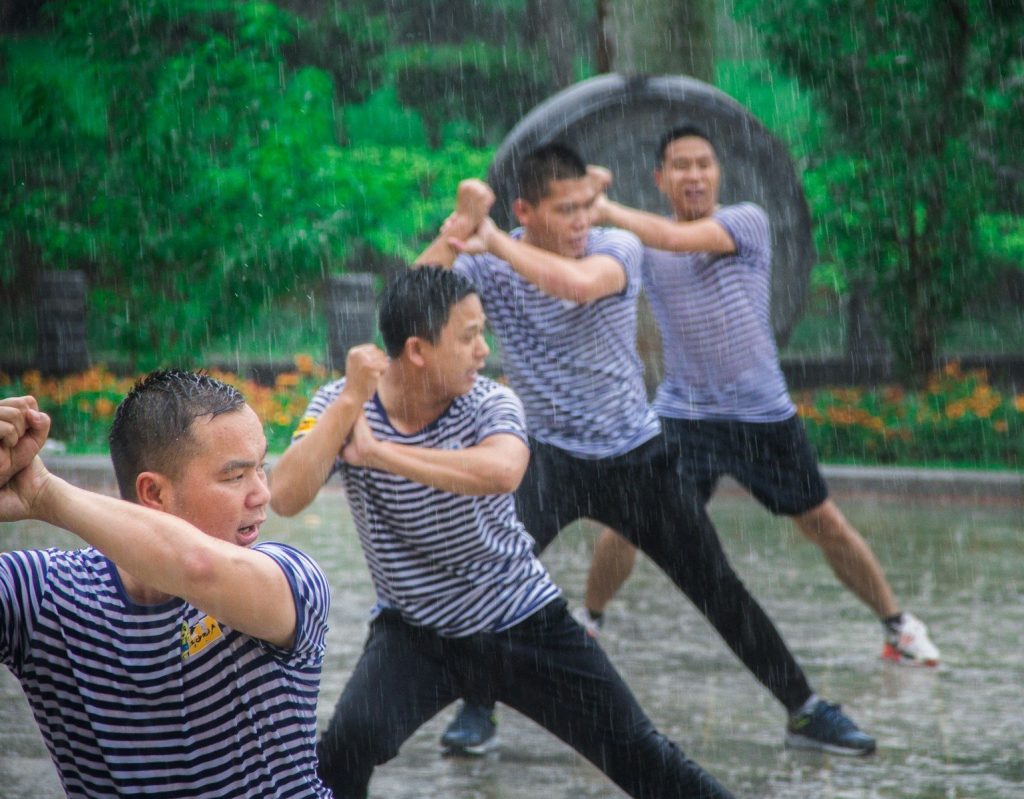
Strength, agility, and flexibility are critical to executing takedown defense effectively. Therefore, build your fitness alongside your technical training. Focus on hip flexibility for better sprawls, explosive leg power for level changes, and core strength for maintaining posture under pressure.
Additionally, grip strength training directly improves your ability to fight off hand grabs and control clinch exchanges. A consistent fitness routine that targets these areas will dramatically improve your takedown defense performance over time.
Online learning is convenient, but beginners often develop bad habits without correction. Avoid these common errors to progress faster and safer.
Technical skills alone are not enough for real self defense. Confidence and situational awareness are equally important components of personal safety. As you learn takedown defense martial arts online, consistently visualize real-world scenarios during your solo drills.
This mental rehearsal builds decision-making speed under pressure. Furthermore, understanding that most confrontations can be avoided with awareness and de-escalation keeps your defensive skills as a genuine last resort rather than a first reaction.
Consistent practice, even for just 20 to 30 minutes daily, builds remarkable competence over time. Start with the fundamentals, trust the process, and gradually layer in more complex techniques as your foundation solidifies.