If you notice a thick, chalky coating on your tongue, you need to act quickly. Most people asking how to get rid of white tongue can solve the problem with simple oral hygiene changes. However, some cases signal an underlying condition that requires professional treatment. Therefore, identifying the cause first gives you the fastest and most effective solution.
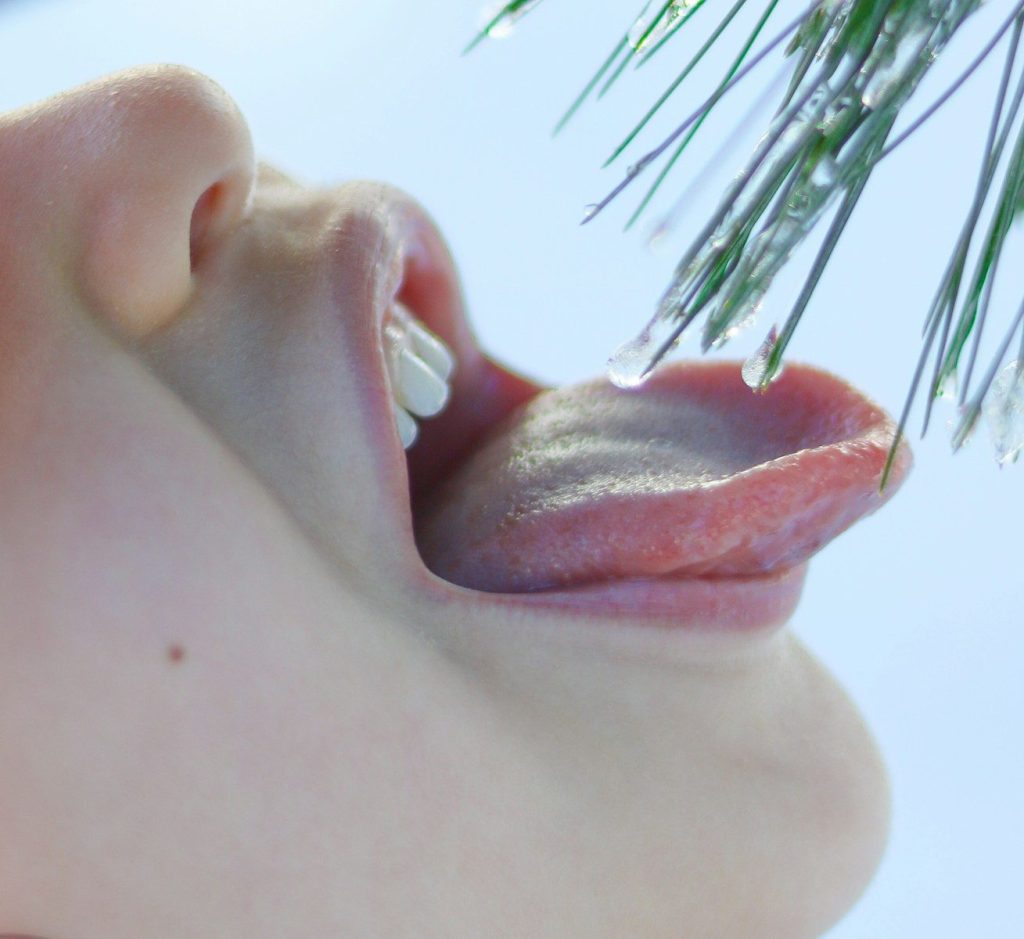
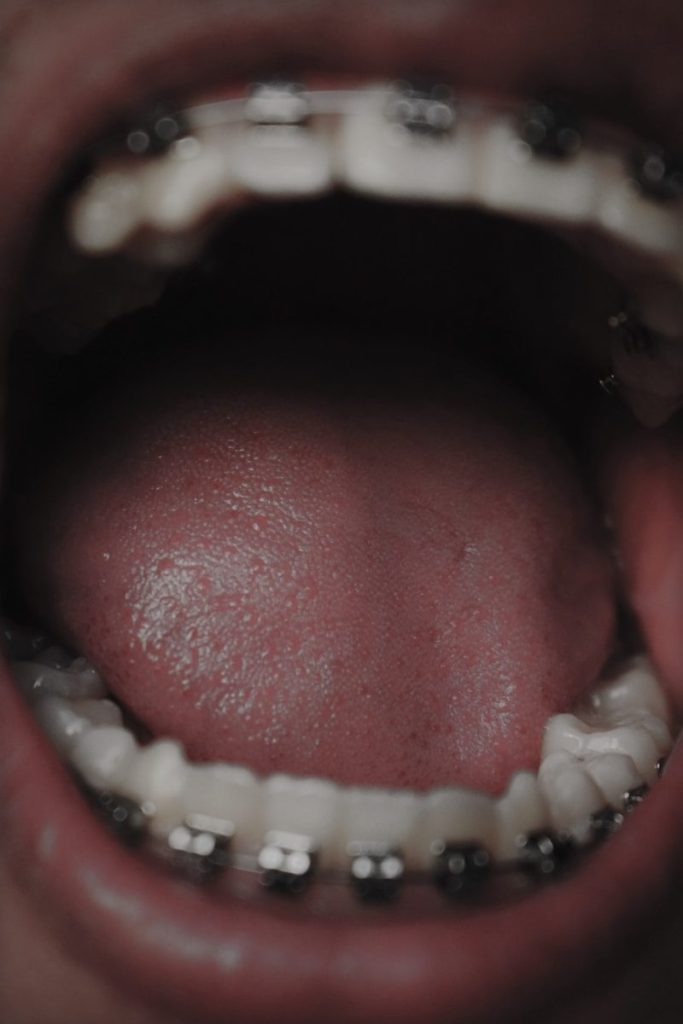
White tongue develops when the tiny bumps on the tongue surface, called papillae, become swollen and inflamed. Bacteria, fungi, food debris, and dead cells get trapped between these enlarged papillae. This creates the characteristic white or off-white coating you see. Additionally, white tongue often causes bad breath because the same bacterial buildup produces unpleasant-smelling compounds.
Several lifestyle factors and medical conditions trigger white tongue. Identifying your specific cause helps you choose the most effective treatment. The most frequent causes include:
Sometimes white tongue points to an underlying medical condition. Recognizing these conditions ensures you seek the right treatment rather than relying only on home care.
Oral thrush is a fungal infection from the overgrowth of Candida albicans yeast. It appears as thick, creamy white patches on the tongue and inner cheeks. You can wipe these patches away, and they often reveal red, sore tissue underneath. Oral thrush is more common in babies, older adults with dentures, and people with weakened immune systems.
Leukoplakia causes persistent white patches inside the mouth. These patches do not wipe off. Heavy tobacco and alcohol use typically trigger this condition. While usually harmless, leukoplakia can in rare cases develop into oral cancer. Therefore, any white patches that persist beyond two weeks need professional evaluation immediately.
This chronic inflammatory condition produces white, lace-like patterns on the tongue and inner cheeks. It links to immune system dysfunction and can cause soreness in more severe cases. Mild cases often need no treatment at all.
Geographic tongue creates irregular reddish patches with white borders on the tongue. It resembles a map and is completely benign. It is more common in people with eczema, psoriasis, or Type 1 diabetes.
For most people, how to get rid of white tongue starts with consistent daily oral hygiene. The Cleveland Clinic confirms that most people eliminate white tongue by improving oral hygiene and drinking adequate fluids. These home strategies work well for cases caused by poor hygiene, dehydration, and mild bacterial buildup.
Use a dedicated tongue scraper every morning before brushing. Scrape gently from the back of the tongue to the tip in smooth strokes. This directly removes the bacterial coating, dead cells, and debris causing the white appearance. Tongue scraping is the single most effective daily habit for eliminating white tongue. If you do not have a scraper, use the back of your toothbrush head to scrub the tongue surface after brushing your teeth.
Drink at least eight glasses of water daily. Staying well-hydrated maintains saliva production and flushes bacteria from the mouth. Additionally, rinse with a salt water solution twice daily. Dissolve half a teaspoon of salt in a glass of warm water and rinse for 30 seconds. Salt creates an antibacterial environment that reduces inflammation and kills bacteria contributing to white tongue.
Swish a tablespoon of coconut oil in your mouth for 10 to 20 minutes before brushing. Coconut oil contains lauric acid with antibacterial and antifungal properties. These properties reduce the bacterial population responsible for white tongue. Spit the oil out and rinse thoroughly before brushing your teeth.
Eat more raw, fibrous foods such as apples, carrots, and celery. These foods provide natural mechanical scrubbing of the tongue surface during chewing. Additionally, quit smoking and reduce alcohol consumption. Both substances directly inflame the papillae and create the dry, irritated conditions where white coating thrives. Eating probiotic-rich foods like yogurt and kefir also helps restore a healthy bacterial balance, especially after antibiotic use.
When home remedies do not resolve white tongue within two to three weeks, professional treatment becomes necessary. The right treatment depends entirely on the underlying cause.
A dentist or doctor prescribes antifungal medications such as fluconazole or nystatin. These come as gels, liquids, lozenges, or pills. They typically clear the infection within one to two weeks. Always complete the full course of treatment to prevent recurrence.
Mild cases of leukoplakia require regular monitoring only. If patches show signs of possible malignancy, a dentist removes them using a scalpel, laser, or cryotherapy. Quitting tobacco and alcohol is the most critical step in preventing the patches from returning.
Severe cases may respond to steroid sprays or steroid-based mouth rinses. A doctor prescribes these to reduce inflammation and manage symptoms. Mild cases typically resolve without any specific treatment.

Most white tongue cases resolve within a few weeks with consistent home care. However, certain warning signs require prompt professional evaluation. See a doctor or dentist immediately if you notice any of the following:
The Mayo Clinic confirms that white tongue is usually harmless but can sometimes signal serious conditions. These range from infection to precancerous changes in rare cases. Therefore, never ignore white tongue that does not improve within two weeks. Early diagnosis always delivers the best possible outcome for your long-term oral health.